
-

1. Apples Are Nutritious A medium apple is equal to 1.5 cups of fruit. Two cups of fruit daily are recommended ..
-
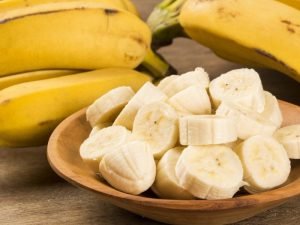
1.Bananas help overcome depression due to high levels of tryptophan, which is converted into serotonin ..
-
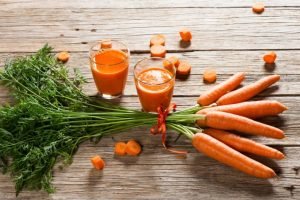
1. Beta carotene: Carrots are a rich source of this powerful antioxidant, which, among other vital uses, ..
-

Tinnitus in the ear can occur due to ear infections, various infections, perforation of the eardrum, ..
-
Comments Off on Pregnancy Calendar – Week 5 of Your Pregnancy

5-week pregnancy “Pregnancy calendar” at week 5: Your baby’s brain is developing. You may feel ..
-
Comments Off on Pregnancy Calendar – Week 4 of Your Pregnancy

4 weeks pregnancy “Pregnancy calendar” at 4th week: A miracle begins! Your baby, now consisting ..
-

How to Use Ginger to Soothe an Upset Stomach Naturally
An unsettled stomach can feel like nausea, queasiness, indigestion, bloating or mild cramping. Ginger is a traditional food and herbal remedy that may help calm some of these symptoms, especially when they are linked with motion sickness, a heavy meal or temporary digestive discomfort. It is easy to find fresh in Australian supermarkets, greengrocers and weekend farmers markets, including markets in Sydney, Melbourne and Brisbane.
Ginger is useful because it can be prepared in several gentle ways: as a warm infusion, grated into food or taken in a carefully measured supplement. It is not a cure for every stomach problem, and natural does not automatically mean risk-free. The cause, severity and duration of symptoms matter when deciding whether home care is appropriate.
Why ginger may calm digestion
Ginger contains naturally occurring compounds called gingerols and shogaols. These substances contribute to its characteristic warmth and may influence movement in the digestive tract. Research has found that ginger can be helpful for some forms of nausea, including occasional motion sickness and nausea during pregnancy, although the strength of evidence varies by condition and product.
A small amount may also encourage the stomach to empty more normally, which can reduce the heavy, overfull feeling that sometimes follows a rich meal. Ginger may ease mild gas or digestive discomfort for some people, but it should not be treated as a guaranteed remedy for reflux, gastroenteritis, food poisoning or an ulcer. Its effects differ from person to person.
Ginger does not remove the underlying cause of an upset stomach. If symptoms follow spoiled food, an infection, a new medicine or ongoing stress, the appropriate care may be different. Think of ginger as a possible comfort measure for mild symptoms rather than a replacement for diagnosis or treatment.
Choose a form that suits your symptoms
Fresh ginger root is a practical option for home use. Look for a firm piece with smooth skin and a fresh, spicy scent. Store it in the crisper drawer, or freeze it and grate what you need. Wash the root before cutting, and peel it if the skin is dry or damaged. A simple ginger tea can be made by slicing two or three thin pieces, adding them to a mug of freshly boiled water and steeping for five to ten minutes. Allow the drink to cool slightly before sipping.
Ginger powder is more concentrated in flavour and convenient for cooking, but it can be strong when mixed into water. Ginger chews may be useful for occasional nausea while travelling, although some contain a substantial amount of sugar. Capsules and liquid extracts vary considerably in strength, so read the Australian label carefully and follow the stated dose rather than assuming that a larger amount will work better.
Fresh ginger is often sold in small pieces at Coles, Woolworths and independent produce shops, making it easy to buy only what you need. At a local farmers market, choose roots that are plump rather than shrivelled. Avoid mouldy or soft pieces, and wash utensils after preparing ginger if someone in the household has vomiting or diarrhoea.
Make a gentle ginger drink
For mild nausea, sip ginger tea slowly rather than drinking a whole mug quickly. You can add a little honey once the drink has cooled, but avoid honey for children under 12 months. Lemon may make the flavour more pleasant, though its acidity could aggravate heartburn in some people. If the drink causes burning, stop using it and try plain water or an oral rehydration solution instead.
A cooler version may be easier to tolerate during an Australian summer or after time spent outdoors in Perth or Adelaide. Prepare the tea, let it cool, and drink it in small amounts. Ginger ale is not equivalent to therapeutic ginger: many commercial varieties contain very little real ginger and can add gas and sugar. Carbonation may worsen bloating, so a homemade infusion is usually the gentler choice.
Avoid making the drink excessively strong. A very spicy infusion can irritate the mouth or stomach, particularly when consumed before breakfast. If nausea makes drinking difficult, take one or two small sips every few minutes and pause if the sensation worsens.
Use ginger for nausea during travel or pregnancy
Ginger may reduce mild nausea associated with car trips, boat travel or flights. Taking a small amount before travelling can be more helpful than waiting until nausea is severe. Combine it with practical measures such as looking at the horizon, getting fresh air, avoiding strong smells and choosing light foods. On long drives between Australian cities, regular breaks and small sips of water are also important.
Pregnant people should discuss medicinal doses with a midwife, GP or pharmacist, particularly if nausea is persistent. Some evidence supports ginger for morning sickness, but supplements differ in concentration and quality. Food amounts or a mild tea may be suitable for some people, while concentrated capsules may not be appropriate. Severe vomiting, inability to keep fluids down, dizziness, very dark urine or weight loss needs prompt medical assessment because dehydration can become serious.
People who are pregnant may also be more sensitive to reflux, so a concentrated or spicy ginger product could make burning worse. Eating small, frequent meals and keeping fluids nearby may be more comfortable than drinking a large cup at once. Follow advice from an antenatal care provider if symptoms are frequent or affecting daily activities.
Match the remedy to the stomach problem
Ginger is most appropriate for occasional, mild nausea or a temporary feeling of digestive sluggishness. Eat slowly, choose plain foods such as toast, rice or bananas, and avoid alcohol, very fatty meals and large portions while your stomach settles. If diarrhoea or vomiting is present, replacing fluids and electrolytes is more important than relying on ginger. An oral rehydration product from an Australian pharmacy can help prevent dehydration.
Heartburn requires more caution. Ginger may soothe nausea but can produce warmth or irritation that makes reflux feel worse in some people. Avoid taking it on an empty stomach if you are prone to indigestion, and do not use spicy ginger preparations as a substitute for medical treatment. Smaller meals, remaining upright after eating and limiting foods that trigger symptoms may be more useful for occasional reflux. For individual medication and symptom advice, an Australian pharmacist can review your products and health history; contact details for the publisher are separate from professional medical guidance.
Do not rely on ginger to treat suspected food poisoning or a stomach infection. Rest, careful handwashing and adequate fluid intake are important, and medical advice may be needed if fever, blood in the stool or persistent vomiting develops.
Keep the amount moderate
Food-level ginger is generally well tolerated by many adults. A practical starting point is a weak tea or a small amount grated into soup, porridge or a stir-fry. Taking more can increase the chance of heartburn, stomach irritation, mouth soreness or loose stools. If you are using a supplement, follow the package directions and avoid combining several ginger products without checking the total amount.
Ginger may have blood-thinning effects and could interact with medicines such as warfarin, aspirin or some antiplatelet drugs. Ask a doctor or pharmacist before using concentrated ginger if you take blood thinners, have a bleeding disorder, are due for surgery, have gallstones or use medication for diabetes or blood pressure. People with a sensitive stomach should introduce it gradually and stop if discomfort increases. Checking reputable health information can help with general reading, but a pharmacist remains the right person to assess medicine interactions.
Supplements deserve extra care because products labelled as ginger may contain extracts, blends or additional herbs. Quality can vary between brands, and a product bought online may not have the same oversight as one supplied through an Australian pharmacy. Keep capsules and concentrated liquids away from children and follow storage instructions.
Know when stomach symptoms need care
Seek urgent medical help for severe or worsening abdominal pain, a swollen or rigid abdomen, repeated vomiting, fainting, confusion, blood in vomit or stool, black stools, chest pain or trouble breathing. Sudden pain in the lower right abdomen, severe pain under the ribs or pain with a high fever also needs prompt assessment rather than home treatment.
Arrange medical advice if nausea, indigestion, diarrhoea or vomiting lasts longer than expected, keeps returning or interferes with eating and drinking. In Australia, Healthdirect can provide nurse advice on 1800 022 222, while emergencies should be directed to 000. Children, older adults, pregnant people and anyone with a chronic illness may become dehydrated more quickly and should be assessed earlier.
Ginger can be a useful, inexpensive addition to short-term self-care when symptoms are mild. Use a small amount, sip it slowly and pay attention to how your body responds. Fresh ginger, a simple infusion, rest and adequate fluids are often enough for occasional queasiness, but persistent or alarming symptoms require care that a kitchen remedy cannot provide.
-
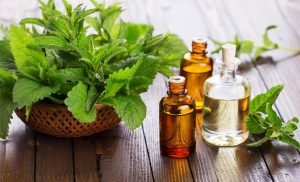
Tea Tree Essential Oil Tea tree oil is often referred to as “medicine cabinet in a bottle,” as it’s ..
-

13 surprising home remedies for acid reflux Before you reach for the heavy-duty, prescription-strength ..
-
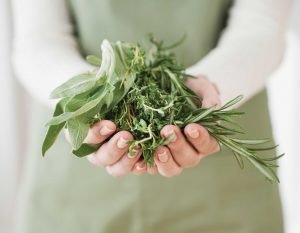
Great Burdock The root is used to treat ‘toxic overload’ that result in throat infections and skin ..