
-

1. Apples Are Nutritious A medium apple is equal to 1.5 cups of fruit. Two cups of fruit daily are recommended ..
-

1.Bananas help overcome depression due to high levels of tryptophan, which is converted into serotonin ..
-

1. Beta carotene: Carrots are a rich source of this powerful antioxidant, which, among other vital uses, ..
-

Tinnitus in the ear can occur due to ear infections, various infections, perforation of the eardrum, ..
-
Comments Off on Pregnancy Calendar – Week 5 of Your Pregnancy

5-week pregnancy “Pregnancy calendar” at week 5: Your baby’s brain is developing. You may feel ..
-
Comments Off on Pregnancy Calendar – Week 4 of Your Pregnancy

4 weeks pregnancy “Pregnancy calendar” at 4th week: A miracle begins! Your baby, now consisting ..
-

Honey and lemon home remedies: guidance for safer use
Understanding how to use honey and lemon in home remedies safely starts with matching the preparation to the symptom and recognising when food-based care is inappropriate. Both ingredients are familiar in Australian homes, but that does not make them suitable for every age, health condition, or type of injury.
Honey can modestly ease some coughs, while lemon mainly contributes flavour, fluid and a modest amount of vitamin C. Neither cures an infection or replaces prescribed treatment. The safest approach is to use small, measured amounts, protect teeth and skin, and seek professional care when symptoms suggest something more than a minor irritation.
What the remedies can reasonably do
Honey is a concentrated sugar with trace plant-derived compounds. Its thick texture may reduce throat irritation and cough frequency, and several clinical studies, mainly involving children older than one year, report modest benefit for coughs at night. The evidence does not establish that honey kills the virus or bacterium causing an illness, and the size and quality of studies limit certainty. It is best regarded as symptom relief rather than a cure.
Lemon juice provides citric acid and some vitamin C, but the amount in a drink is small and varies with the fruit. Vitamin C supports normal immune function; it does not make a remedy preventive or antibacterial. Warm lemon-and-honey drinks may be comforting and help fluid intake, while a cold drink may be equally acceptable if that feels better. Avoid claims that the mixture detoxes the body, permanently clears mucus, or treats influenza, COVID-19, glandular fever, or other infections without medical assessment.
Choosing and storing ingredients in Australia
In many households in Sydney, Melbourne, Brisbane, Adelaide and Perth, a jar of honey and a bag of lemons are permanent kitchen items. Tea with lemon is a familiar daily ritual, honey is added to breakfast toast or porridge, and convenient drinks are often prepared during busy work or school routines. Humid summers and air-conditioned interiors can also make throat dryness and minor irritation feel more noticeable.
Coles and Woolworths commonly stock ordinary honey alongside higher-priced manuka honey, while pharmacies sell medical-grade honey dressings. These products are not interchangeable: a premium kitchen jar may have a stated antibacterial activity without being sterile or approved for wound care, and its price or methylglyoxal rating does not prove it is better for a cough. Raw honey is not automatically more medicinal, and pasteurisation does not turn food honey into a sterile dressing. Food Standards Australia New Zealand sets food standards and labelling requirements, while the Therapeutic Goods Administration regulates therapeutic claims and wound-care products.
Store honey in a clean, tightly closed container at room temperature and use a dry spoon. Crystallisation is normal and can be restored with a little warm water, whereas moisture entering the jar can promote fermentation. Keep the cupboard cool and dry, especially during humid weather, and discard honey that smells of alcohol, foams, or shows other signs of spoilage. Refrigerate whole lemons, and keep cut fruit or juice covered in the fridge and use it promptly. Clean spoons and glasses between uses so old ingredients do not contaminate a fresh serving.
Preparing simple remedies at home
For a simple warm drink, place one teaspoon of honey in a cup, add about 250 mL of warm water or mild tea, stir, then add a small squeeze of lemon to taste. There is no clinically established honey-and-lemon dose, so precision beyond using a modest amount is unnecessary for most adults and children over one. Measure rather than pouring directly from the jar, particularly if you need to count carbohydrate.
Add honey after the liquid has cooled to a comfortable drinking temperature; very hot water is unnecessary and can scald the mouth. An iced version is also suitable: brew tea, let it cool, then add lemon and honey. A small spoonful of honey mixed into warm water can be used for throat comfort, but do not give a sticky spoonful to a young child without close supervision. Clean reusable cups or mugs thoroughly after each preparation, and do not leave a diluted mixture standing overnight at room temperature.
Coughs and sore throats
For a cough, many adult and child cough guides accept a spoonful of honey as a short-term option after checking age and allergy restrictions. The best evidence concerns nighttime cough, with a modest reduction in frequency rather than elimination of the underlying illness. Honey must not be used in a child under 12 months. It does not treat asthma, whooping cough, pneumonia, or an antibiotic-responsive infection, and inhalers or prescribed antibiotics must continue as directed.
For a sore throat, honey’s viscosity may make swallowing feel more comfortable, and warm fluids can ease dryness. Lemon can make some throats feel scratchy because of its acidity, so a smaller amount or none may work better, particularly with reflux. Neither ingredient should be treated as a throat disinfectant. Arrange medical assessment for a severe or one-sided sore throat, inability to swallow saliva, neck swelling, a rash, high fever, or symptoms that are worsening rather than settling.
Skin, wounds and burns
Food-grade honey from a supermarket is not a sterile wound dressing. Do not put it into cuts, grazes, burns, a diabetic foot, a deep puncture wound, or any wound that may be infected. Pharmacists can supply medical-grade honey products selected for wound management; follow the product label, dressing schedule and advice from the treating clinician. Applying honey under a dressing can conceal a wound that needs cleaning, antibiotics, imaging or surgical care.
Lemon has no place in first aid for a burn because citrus acid can irritate damaged tissue and delay comfort. Australian first-aid guidance recommends cooling a minor burn under cool, running water for 20 minutes as soon as possible; remove jewellery and clothing unless stuck, and seek care for burns that are deep, large, electrical, chemical, or located on the face, hands, feet or a major joint. For minor skin irritation, avoid lemon juice and kitchen honey, as both can provoke stinging, dermatitis or allergy.
Groups that need extra caution
Infants are the most important exception. Do not give honey to a baby younger than 12 months, including a diluted drink, because ingested spores can cause infant botulism. Home heating is not a dependable way to make an unsafe jar safe for infants. Also do not use honey on a dummy, teething ring or nipple to soothe a baby. Seek urgent medical care for a baby with poor feeding, unusual sleepiness, a weak cry, constipation or breathing difficulty.
During pregnancy and breastfeeding, ordinary food amounts of commercially pasteurised honey are generally considered suitable, although individual advice may differ. Avoid applying non-sterile honey to broken skin, and ask a clinician or pharmacist before using a medicinal amount or taking a wound product internally. If gestational diabetes or diabetes is present, both the honey and any sweetened tea count toward carbohydrate intake. A teaspoon of honey contains roughly 6 g of carbohydrate, so a smaller amount, no added sweetener, or advice from a diabetes educator may be preferable.
People with reflux, mouth ulcers, sensitive teeth or a history of erosion may find lemon irritating. Rinse the mouth with plain water after an acidic drink and wait about 30 minutes before brushing, because immediate brushing can increase abrasion of softened enamel. Avoid honey if it has previously caused an allergy, and check with a clinician before regular use in someone with severe allergy, poorly controlled diabetes, significant kidney disease or a complex medication regimen. Food portions rarely cause a drug interaction, but concentrated supplements and unusual preparations deserve a professional review.
A household safety checklist
A simple routine keeps a home remedy predictable: prepare one serving at a time, measure the sweetener, use food-grade ingredients for drinks, and keep wound-care products separate from kitchen honey. These practices reduce the most common avoidable risks.
- Keep all honey away from babies under 12 months and never use it to soothe teething.
- Choose intact, labelled food-grade honey for drinks; reserve medical-grade products for wounds under professional guidance.
- Keep portions small, count honey as carbohydrate and omit additional sugar in tea.
- Add lemon for flavour rather than treatment; dilute it if acidity causes stinging or reflux.
- Store honey sealed and dry, refrigerate cut lemon and discard food that appears fermented or spoiled.
- Avoid homemade mixtures on broken skin, burns, deep wounds or any infection-prone area.
Home care is not appropriate for breathing difficulty, blue lips, chest pain, coughing blood, confusion, severe dehydration or rapidly spreading illness; call 000 or attend an emergency department. A cough lasting several weeks, recurrent night sweats, unexplained weight loss, persistent fever or a sore throat with difficulty swallowing warrants review by a general practitioner. Healthdirect’s nurse advice line on 1800 022 022 can help determine the appropriate level of care in most states, while Victorians can contact Nurse-ON-CALL on 1300 60 60 60. A pharmacist can also check the safety of a preparation and any medicines taken with it.
-
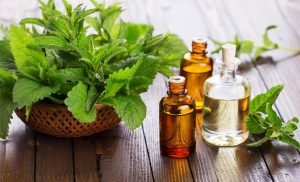
Tea Tree Essential Oil Tea tree oil is often referred to as “medicine cabinet in a bottle,” as it’s ..
-

13 surprising home remedies for acid reflux Before you reach for the heavy-duty, prescription-strength ..
-
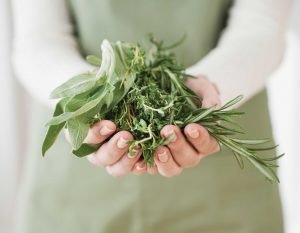
Great Burdock The root is used to treat ‘toxic overload’ that result in throat infections and skin ..