
-

1. Apples Are Nutritious A medium apple is equal to 1.5 cups of fruit. Two cups of fruit daily are recommended ..
-
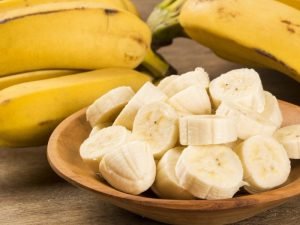
1.Bananas help overcome depression due to high levels of tryptophan, which is converted into serotonin ..
-
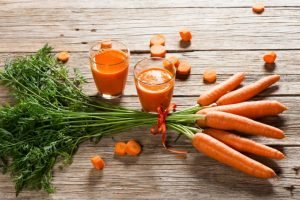
1. Beta carotene: Carrots are a rich source of this powerful antioxidant, which, among other vital uses, ..
-

Tinnitus in the ear can occur due to ear infections, various infections, perforation of the eardrum, ..
-
Comments Off on Pregnancy Calendar – Week 5 of Your Pregnancy

5-week pregnancy “Pregnancy calendar” at week 5: Your baby’s brain is developing. You may feel ..
-
Comments Off on Pregnancy Calendar – Week 4 of Your Pregnancy

4 weeks pregnancy “Pregnancy calendar” at 4th week: A miracle begins! Your baby, now consisting ..
-

Managing morning sickness naturally with ginger and peppermint
Morning sickness is a common pregnancy symptom, although nausea and vomiting can occur at any time of day. It often begins during the early weeks of pregnancy and improves by the second trimester, but every pregnancy follows a different pattern. Gentle changes to eating, drinking, rest, and daily routines may make symptoms easier to manage.
Ginger and peppermint are two widely used herbal options for pregnancy-related nausea. Ginger may help settle the stomach and reduce vomiting, while peppermint’s cooling aroma and flavor can make queasiness feel less intense for some people. Their effects vary, and neither remedy is a substitute for medical care when symptoms become severe.
Natural remedies still deserve careful use during pregnancy. Concentrated supplements, essential oils, and large amounts of any herb may carry risks. Choose simple preparations, monitor how your body responds, and discuss persistent or worsening symptoms with a qualified maternity professional.
Why nausea develops during pregnancy
Morning sickness is linked to several changes that happen early in pregnancy. Rising levels of hormones, including human chorionic gonadotropin and estrogen, can affect the brain’s vomiting center and make the digestive system more sensitive. Fatigue, strong odors, low blood sugar, stress, and slower digestion may intensify nausea.
Although it is called morning sickness, symptoms can appear in the afternoon, evening, or throughout the day. Some people experience occasional queasiness, while others have frequent vomiting that interferes with eating, drinking, work, or sleep. The severity may also change from one day to the next.
Mild nausea is usually manageable at home, but vomiting that prevents adequate fluid or food intake needs attention. A healthcare professional can assess hydration, weight changes, medication needs, and possible conditions such as hyperemesis gravidarum, a severe form of pregnancy sickness.
How ginger may ease queasiness
Ginger contains naturally occurring compounds that may support normal stomach movement and influence nausea pathways. Research on ginger during pregnancy suggests that modest amounts may reduce nausea for some pregnant people, although studies vary in the preparation and dose used. It may be particularly helpful when taken early in the day or before symptoms become intense.
Fresh ginger can be steeped in hot water to make a mild tea. Small pieces may also be added to meals, oatmeal, rice, or a smoothie. Ginger chews and lozenges are convenient, but check the ingredient list because some contain a high amount of sugar, artificial sweeteners, or additional herbal ingredients.
Concentrated ginger capsules should be used more carefully. There is no single dose that suits every pregnancy, and supplements can differ considerably in strength. Ask a doctor, midwife, or pharmacist before taking ginger extract, especially if you use blood-thinning medicine, have a bleeding disorder, or experience heartburn.
How peppermint may support relief
Peppermint can provide a cooling sensation that helps mask unpleasant tastes and odors. Sipping mild peppermint tea, sucking on a peppermint-flavored lozenge, or smelling a fresh peppermint leaf may offer short-term comfort. Some people find that peppermint helps them tolerate food preparation and travel when smells trigger nausea.
Peppermint tea is generally less concentrated than peppermint oil and is the more cautious option for occasional use. Drink it in moderate amounts and stop if it causes discomfort. Peppermint may relax the muscle between the stomach and esophagus, which can worsen reflux, indigestion, or burning in people who are prone to heartburn.
Avoid swallowing peppermint essential oil unless specifically directed by a qualified healthcare professional. Essential oils are highly concentrated and are not interchangeable with culinary peppermint or tea. Keep them away from children and use caution with topical products because skin irritation and strong odors may occur.
Choosing a gentle option
Option Possible benefit Practical use Points to consider Fresh ginger May reduce nausea and support digestion Add a small amount to food or steep in water Can cause heartburn or mouth irritation Ginger tea Provides fluid along with a mild ginger flavor Sip slowly, especially before rising or between meals Avoid very concentrated preparations Ginger chews Convenient when nausea begins suddenly Use according to the product label Check sugar, dose, and added ingredients Peppermint tea Cooling flavor may ease queasiness Drink a small cup slowly May aggravate reflux or heartburn Peppermint aroma Can reduce exposure to unpleasant smells Smell a fresh leaf or mild product briefly Do not ingest essential oil Ginger and peppermint together Combines warming and cooling sensations Use a mild tea if both are tolerated Stop if either ingredient worsens symptoms Use herbs alongside everyday habits
A remedy is more likely to help when paired with habits that prevent an empty stomach and reduce common triggers. Keep plain crackers, dry toast, or another simple snack near the bed and eat a small amount before standing up. Waiting until hunger becomes strong can make nausea more difficult to control.
Eat small meals or snacks every two to three hours rather than relying on large portions. Foods that are bland, low in fat, or higher in protein may be easier to tolerate. Examples include bananas, rice, applesauce, potatoes, yogurt, nut butter on toast, eggs, or a simple soup, depending on individual preferences.
Take small sips of water, diluted juice, oral rehydration fluid, or another tolerated drink throughout the day. Some people find fluids easier to manage between meals instead of with food. Cold drinks, ice chips, or sparkling water may be appealing, but carbonation can worsen bloating for certain people.
Fresh air, adequate rest, and avoiding strong odors can also help. Ask someone else to cook when possible, use a fan while preparing food, and choose cool foods if hot meals produce strong smells. Gentle movement may improve general well-being, but rest when dizziness or weakness occurs.
Safe ways to include ginger and peppermint
Start with a small amount of one remedy rather than combining several new products at once. This makes it easier to tell whether the ingredient is helping or causing heartburn, loose stools, mouth irritation, or another unwanted effect. Keep a brief note of what you used, when you used it, and how you felt afterward.
Choose products made for food or beverage use and follow the label instructions. Avoid herbal mixtures that do not list exact ingredients and amounts. “Natural,” “detox,” and “pregnancy support” claims do not guarantee safety, quality, or effectiveness.
Peppermint and ginger may be unsuitable for some people with gastroesophageal reflux, gallbladder concerns, bleeding risks, or sensitivities to herbal products. If you take prescription medicine, ask a pharmacist about possible interactions before using capsules, tinctures, or concentrated preparations. Prenatal vitamins can also contribute to nausea, so discuss timing or formulation changes with your maternity provider rather than stopping them independently.
A calm routine can make the approach more sustainable. Try ginger tea in the morning, a small snack before getting out of bed, and peppermint tea later only if reflux is not a concern. The goal is comfort and nourishment, not forcing a remedy when your body clearly dislikes it.
Signs that morning sickness needs medical care
Contact a healthcare professional promptly if you cannot keep liquids down, vomit repeatedly, urinate very little, or notice dark urine. Dry mouth, faintness, racing heartbeat, confusion, unusual weakness, or dizziness when standing may signal dehydration. Losing weight or being unable to eat for an extended period also deserves assessment.
Seek urgent advice for blood in vomit, severe abdominal pain, fever, painful urination, chest pain, or a severe headache. These symptoms may have causes other than typical pregnancy nausea. If vomiting becomes frequent and debilitating, treatment may include prescription anti-nausea medicine, fluids, nutritional support, or monitoring for hyperemesis gravidarum.
Do not feel that needing medical treatment means you have failed to manage symptoms naturally. Safe prescription options are available during pregnancy, and early care may prevent dehydration and nutritional problems. Your clinician can help weigh the benefits and risks according to your health history and stage of pregnancy.
A simple plan for gentler mornings
- Keep a plain snack and a drink beside the bed, then take small amounts before standing.
- Try mild ginger in food or tea, using a modest quantity and stopping if heartburn develops.
- Use peppermint tea or a gentle aroma only if it feels comfortable and does not worsen reflux.
- Eat small, frequent meals and identify smells, foods, or situations that trigger nausea.
- Track vomiting, fluid intake, urination, and weight changes so you can describe symptoms accurately to your maternity team.
Know when to adjust your approach
Ginger and peppermint can be useful additions to a broader self-care routine, but they are not guaranteed cures for pregnancy nausea. Begin gently, use food-level preparations where possible, and pay attention to reflux, irritation, and other personal reactions. What helps one pregnant person may be unpleasant or ineffective for another.
If morning sickness is limiting fluids, meals, daily activities, or prenatal care, contact your doctor, midwife, or pharmacist. Share the herbs, teas, supplements, and medicines you are using so your care team can provide individualized advice. With the right support, nausea can often be managed more safely and comfortably throughout pregnancy.
-
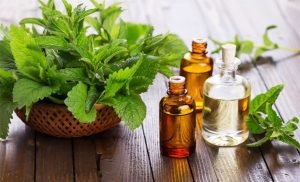
Tea Tree Essential Oil Tea tree oil is often referred to as “medicine cabinet in a bottle,” as it’s ..
-

13 surprising home remedies for acid reflux Before you reach for the heavy-duty, prescription-strength ..
-

Great Burdock The root is used to treat ‘toxic overload’ that result in throat infections and skin ..