
-

1. Apples Are Nutritious A medium apple is equal to 1.5 cups of fruit. Two cups of fruit daily are recommended ..
-
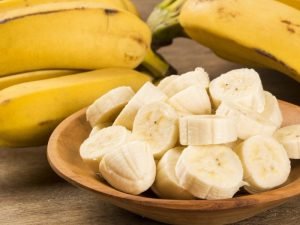
1.Bananas help overcome depression due to high levels of tryptophan, which is converted into serotonin ..
-
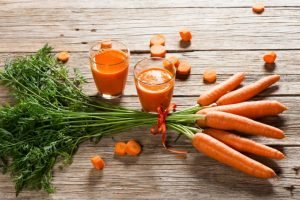
1. Beta carotene: Carrots are a rich source of this powerful antioxidant, which, among other vital uses, ..
-

Tinnitus in the ear can occur due to ear infections, various infections, perforation of the eardrum, ..
-
Comments Off on Pregnancy Calendar – Week 5 of Your Pregnancy

5-week pregnancy “Pregnancy calendar” at week 5: Your baby’s brain is developing. You may feel ..
-
Comments Off on Pregnancy Calendar – Week 4 of Your Pregnancy

4 weeks pregnancy “Pregnancy calendar” at 4th week: A miracle begins! Your baby, now consisting ..
-
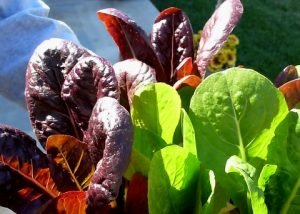
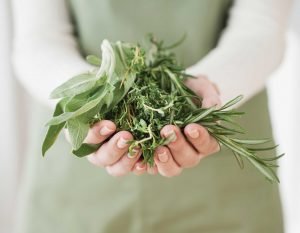
Medicinal Plants for a Practical Kitchen Garden
A kitchen garden can provide more than fresh flavor and attractive greenery. Several familiar herbs and plants contain aromatic oils, antioxidants, or traditional compounds that have long been used in household wellness practices. Growing them at home also makes it easier to notice how a plant was cultivated, harvested, and stored.
Medicinal plants should complement sensible healthcare rather than replace professional diagnosis or prescribed treatment. “Natural” does not automatically mean risk-free: concentrated preparations can interact with medicines, and some plants are unsuitable during pregnancy, breastfeeding, childhood, or certain chronic conditions.
A small sunny space is enough to begin. Pots on a balcony, a raised bed near the kitchen, or a few containers on a windowsill can support a useful collection of culinary and herbal plants. Choosing species that match your climate and daily habits will make the garden easier to maintain.
Start With Safe, Familiar Herbs
Mint is one of the easiest herbs to grow and is valued for its cooling aroma and refreshing taste. Peppermint and spearmint can be steeped as tea, added to infused water, or used in meals. Traditionally, mint tea has been used after eating to support comfortable digestion, although people with frequent acid reflux may find that mint worsens symptoms.
Basil is best known as a culinary herb, yet its leaves contain plant compounds with antioxidant activity. Sweet basil grows quickly in warm weather when it receives several hours of sunlight and regular harvesting. Holy basil, also called tulsi, is a different species traditionally used in Ayurvedic wellness practices. Herbal preparations may affect blood sugar or blood clotting, so regular use deserves caution among people taking related medicines.
Parsley is another practical choice. Its fresh leaves provide vitamin K and other nutrients, while the plant’s bright flavor makes it easy to include in everyday meals. Parsley tea and concentrated extracts are stronger than normal food portions and may be unsuitable for people with kidney disease or those using certain medications.
Add Plants for Everyday Digestive Comfort
Ginger grows from a rhizome rather than a typical leafy stem. In warm conditions, it can be planted in a wide container with rich, moist soil and partial sunlight. Fresh ginger is commonly used in cooking, teas, and broths. Research has examined ginger for nausea, especially mild pregnancy-related nausea and nausea associated with some medical treatments, but concentrated supplements should be discussed with a qualified clinician.
Fennel is a useful garden plant with feathery leaves, yellow flowers, and aromatic seeds. The seeds are traditionally brewed after meals, and the leaves can be used like a herb. Fennel may support a feeling of digestive ease, but medicinal amounts can have hormone-like effects and should be avoided by people with certain hormone-sensitive conditions unless a healthcare professional approves them.
Chamomile is often grown for its daisy-like flowers. Dried flowers can be steeped into a mild tea traditionally used at bedtime or during periods of tension. People allergic to ragweed, daisies, or related plants may react to chamomile. It may also increase sedation when combined with sleep medicines, alcohol, or other calming substances.
Grow Plants With Soothing and Skin Uses
Aloe vera can thrive in a sunny pot with very well-drained soil. The clear inner gel is widely used in topical products for minor skin irritation and dryness. Only properly prepared commercial aloe products should be taken internally; the yellow latex layer beneath the leaf skin can cause cramping and diarrhea and may affect medication absorption.
Lavender prefers bright sunlight, light soil, and good air circulation. Its fragrance makes it popular in sachets, bath preparations, and diluted topical oils. Some people find the aroma relaxing, while lavender tea is used traditionally as a gentle calming beverage. Essential oil should never be swallowed casually, and undiluted oil can irritate sensitive skin.
Calendula produces vivid orange or yellow flowers and grows well in containers. The petals are used in traditional creams and washes for minor skin discomfort. Evidence for specific skin conditions varies, and open wounds, spreading rashes, burns, or signs of infection require medical care rather than home herbal treatment.
Plant Common household use Growing conditions Important caution Mint Tea, infused water, digestive tradition Partial sun to sun; consistently moist soil May aggravate reflux; spreads quickly Ginger Tea, cooking, nausea support Warm conditions; rich, moist container soil May interact with blood-thinning medicines Chamomile Evening tea and relaxation Sun to partial shade; well-drained soil Possible allergy and sedative effects Aloe vera Topical gel for minor irritation Bright light; dry, gritty soil Do not casually ingest raw leaf preparations Calendula Traditional creams and washes Sun; moderate watering Avoid if allergic to daisy-family plants Holy basil Herbal tea and traditional wellness Warm sun; fertile, drained soil May affect blood sugar or clotting Use Preparation Methods Carefully
The gentlest way to use many homegrown herbs is as food. Fresh basil, parsley, mint, and fennel leaves can contribute flavor without the concentrated exposure associated with capsules, tinctures, or essential oils. Washing produce thoroughly and harvesting away from roads, chemical sprays, and animal waste helps reduce contamination.
A simple infusion involves pouring hot water over leaves or flowers and allowing them to steep. This method is commonly used for mint, chamomile, and some forms of holy basil. Roots such as ginger are often simmered for a longer period to make a decoction. These traditional methods still require sensible portions, particularly when a person has a medical condition or takes daily medication.
Topical preparations need equal care. Test a small amount of diluted product on an inconspicuous area before wider use, and stop if redness, itching, swelling, or burning develops. Homemade oils and salves can spoil or become contaminated when stored in damp conditions, so clean equipment, dry ingredients, labeled containers, and short storage periods are essential.
People researching herbal remedies can use reliable health information and seek qualified guidance when the intended use involves a disease, pregnancy, surgery, or long-term medication. For questions about site content or editorial material, the Healthy Life Live team can be reached through its protected contact link.
Match Plants to Your Space and Routine
Sunlight is the first practical consideration. Most Mediterranean herbs, including rosemary, thyme, oregano, sage, and lavender, prefer six or more hours of direct sun and soil that drains quickly. Mint, parsley, and chives tolerate somewhat less light. Ginger and turmeric need warmth and moisture, making them better choices for hot climates or indoor containers.
Containers should have drainage holes and enough depth for the plant’s roots. Mint is best kept in its own pot because its runners can overwhelm neighboring herbs. Rosemary dislikes constantly wet soil, whereas basil becomes stressed when it dries out completely. Grouping plants with similar watering needs saves time and reduces accidental overwatering.
Harvesting encourages many herbs to produce fresh growth. Snip leafy stems above a pair of leaves rather than removing the entire plant. Harvest flowers on dry mornings after the dew has evaporated, and gather roots only when the plant is mature enough to tolerate removal. Use clean scissors and avoid collecting from plants exposed to pesticides unless the product is approved for edible crops and used according to its label.
Know When a Home Remedy Is Inappropriate
Herbal plants can be valuable additions to a healthy routine, but they are not a substitute for urgent care. Seek prompt medical attention for severe pain, breathing difficulty, chest pressure, fainting, sudden weakness, heavy bleeding, high fever, rapidly spreading skin changes, or symptoms that are getting worse.
Pregnant and breastfeeding people should be especially careful with medicinal herbs. Culinary amounts are often different from medicinal teas, extracts, or supplements, and safety information is limited for many plants. Ginger may be considered for certain types of nausea, but dosage and product quality matter. A prenatal clinician or pharmacist can help assess the specific preparation.
Medication interactions are another important concern. Herbs may influence blood pressure, blood sugar, clotting, liver enzymes, or sedation. Keep a record of teas, tinctures, capsules, and essential oils, and share it with a healthcare professional before surgery or when starting a new prescription.
Children and pets also need protection. Attractive leaves, berries, and concentrated oils can be harmful when swallowed. Label every container, keep essential oils locked away, and never assume that a preparation safe for an adult is appropriate for a child or animal.
Build a Garden That Supports Healthy Habits
The best medicinal garden is one that encourages regular use of fresh, nutritious ingredients. Herbs can make vegetables, beans, soups, whole grains, and lean proteins more appealing, helping reduce dependence on excess salt or heavily processed sauces. Their scents and colors can also make cooking feel more engaging.
Begin with three or four plants suited to the available space. Mint, basil, parsley, chamomile, or calendula offer approachable starting points, while ginger and aloe vera are useful additions for gardeners ready to manage different watering needs. Choose untreated seeds or healthy nursery plants, and identify each species before using it.
Practical Planting Priorities
- Select plants that match your sunlight, temperature, and watering conditions.
- Keep spreading herbs such as mint in separate containers.
- Use culinary portions first and avoid homemade concentrated extracts.
- Label plants and record harvest dates, preparation methods, and any reactions.
- Consult a healthcare professional before medicinal use during pregnancy or alongside medication.
Regular observation is part of responsible herbal gardening. Check leaves for mold, pests, discoloration, and unexpected changes in scent. Remove damaged material promptly, and do not use a plant if its identity is uncertain. A small, well-managed collection is safer and more useful than a crowded garden filled with unfamiliar species.
A kitchen garden can become a dependable source of flavor, fragrance, and traditional plant-based wellness when it is managed with care. Grow a few suitable herbs, learn how each one is prepared, and use them thoughtfully as part of a balanced lifestyle. Share the garden’s harvest with household cooks, keep safety information close at hand, and return to trustworthy health resources whenever a remedy involves a medical concern.
-
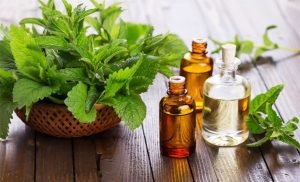
Tea Tree Essential Oil Tea tree oil is often referred to as “medicine cabinet in a bottle,” as it’s ..
-

13 surprising home remedies for acid reflux Before you reach for the heavy-duty, prescription-strength ..
-
Great Burdock The root is used to treat ‘toxic overload’ that result in throat infections and skin ..