
-
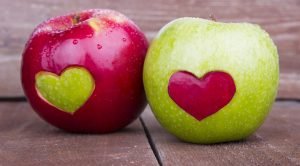
1. Apples Are Nutritious A medium apple is equal to 1.5 cups of fruit. Two cups of fruit daily are recommended ..
-
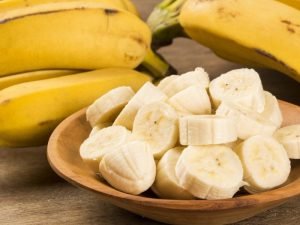
1.Bananas help overcome depression due to high levels of tryptophan, which is converted into serotonin ..
-
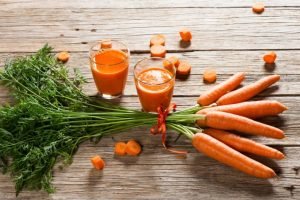
1. Beta carotene: Carrots are a rich source of this powerful antioxidant, which, among other vital uses, ..
-

Tinnitus in the ear can occur due to ear infections, various infections, perforation of the eardrum, ..
-
Comments Off on Pregnancy Calendar – Week 5 of Your Pregnancy

5-week pregnancy “Pregnancy calendar” at week 5: Your baby’s brain is developing. You may feel ..
-
Comments Off on Pregnancy Calendar – Week 4 of Your Pregnancy

4 weeks pregnancy “Pregnancy calendar” at 4th week: A miracle begins! Your baby, now consisting ..
-
Natural diuretics that are safe for occasional bloating
Occasional bloating can make an otherwise normal day uncomfortable, particularly when waistbands feel tighter than expected. Mild water retention and trapped gas often have different triggers, yet both can respond to simple food, fluid and activity habits. A natural diuretic is a food, herb or drink that may increase urine production; the phrase describes a possible effect, not a guarantee that a product is suitable for everyone.
For most adults, the safest starting point is ordinary food in sensible portions rather than tablets, extracts or restrictive detox plans. Australian summers add another layer: hot days in Sydney, Melbourne and Brisbane increase sweating and thirst, while a takeaway meal or several fizzy drinks can leave someone feeling puffy. Persistent symptoms may stem from a problem unrelated to excess fluid, so a food-based approach should sit alongside medical advice when discomfort is severe, recurring or accompanied by other warning signs.
What occasional bloating can mean
Diuresis is the process of making and passing urine. The kidneys adjust urine output according to hydration, salt intake and signals from the brain and hormones. Eating more water does not automatically increase urine output, but mild dehydration can trigger the body to hold onto fluid. Staying comfortably hydrated can therefore support normal fluid balance without the need for a diuretic product.
Bloating, meanwhile, usually describes pressure or expansion in the abdomen. It may result from swallowed air, fermenting food, delayed stomach emptying or a sensitivity to particular ingredients. These are not the same as excess fluid, and a food that increases urination may do little for gas. Identifying the pattern matters more than assuming every episode is water retention.
A brief episode after a large, salty meal is different from a pattern that appears repeatedly or disrupts sleep and normal activities. Keep a simple record of meals, drinks, bowel movements and the timing of symptoms for a week or two. Note changes in clothing fit, weight or leg swelling as well. Such a diary can reveal whether reducing salt, fizzy drinks or a particular food makes a practical difference.
How food and drinks support fluid balance
Water-rich foods and drinks can help with a mild episode, particularly when someone has eaten a salty meal. Cucumber, watermelon, oranges and tomatoes supply fluid, while potatoes, beans, leafy greens and dairy foods provide potassium that works with sodium in the body. Potassium-rich foods may encourage fluid excretion, but they are not a substitute for prescribed treatment for kidney, heart or liver disease.
Building meals around rainbow vegetables supplies fibre and several minerals and can make a balanced plate easier to put together. Shoppers at Melbourne’s Queen Victoria Market, Adelaide Central Market and Sydney growers’ markets can choose seasonal produce, while Coles and Woolworths make everyday ingredients widely available. Frozen vegetables also count: convenience does not reduce their nutritional value, and preparation does not need to be complicated.
Salt is worth checking before reaching for anything labelled diuretic. Bread, processed meats, takeaway sauces, stock cubes and salty snacks can add a surprising amount of sodium across a day. Cooking with herbs and lemon, tasting food before seasoning and choosing lower-sodium options when available may reduce the next episode of puffy ankles or a tight waistband. The effect is gradual rather than immediate.
Carbonated drinks, chewing gum and foods eaten very quickly can increase swallowed air, while alcohol can encourage fluid loss and dehydration. Beans, lentils, onions and some sweeteners may produce gas in susceptible people, although reactions vary. A gentler approach is to eat slowly, keep regular meal times and adjust one factor at a time instead of removing several foods at once.
Everyday choices that fit an Australian kitchen
Try one or two gentle changes and give them a few days before judging the result. Small, repeatable habits usually work better than an aggressive short-term programme, and food should still provide enough energy, protein and fibre. The following foods are ordinary choices, not medicinal doses, and portions matter. People with a medical condition should individualise even apparently mild suggestions.
- Cucumber, tomatoes and celery: mostly water and useful in salads or drinks, although their diuretic action in humans is modest rather than dramatic.
- Oranges, kiwi and other citrus: provide fluid and potassium; a squeezed lemon can improve the flavour of water without needing a commercial tonic.
- Potatoes with their skins: contain potassium and can accompany higher-salt dishes, helping balance the overall meal rather than reversing fluid retention afterwards.
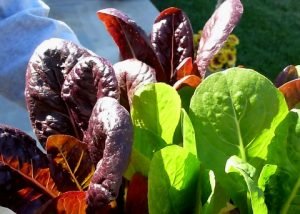
- Leafy greens and dandelion leaves: add volume, fibre and minerals; wash leaves well and use them in a salad or cooked dish.
Timing can be as helpful as the menu. A balanced lunch followed by a short walk may suit an afternoon of bloating better than another large meal. Keep a glass of water nearby, but do not force large amounts in a short period. If thirst is normal and urine remains pale, there is usually no benefit from trying to “flush” the kidneys with extra litres.
- Drink steadily through the day: spread fluid intake across waking hours and adjust for exercise, heat and pregnancy-related needs without sudden excessive amounts.
- Use flavour rather than salt: lemon, garlic, ginger, paprika and fresh herbs can make lower-sodium meals more appealing without another salty sauce.
- Move gently after meals: a ten- to fifteen-minute walk may ease sluggish digestion, and regular movement supports circulation and normal fluid handling.
- Limit alcohol and fizzy drinks: both can worsen thirst, gas or next-day puffiness, even when food choices are already sensible.
What to know about herbs and stronger preparations
Dandelion is the best-known herbal example, although familiar reputation is stronger than the research. Its leaves can be eaten as food, and teas or extracts have traditionally been used for fluid balance. Human evidence remains limited, and a supplement can deliver a much larger dose than a leaf in a salad. It may also cause digestive upset or allergic reactions, particularly in people sensitive to the daisy family.
Parsley is commonly described as a natural diuretic, but evidence for a meaningful effect from culinary amounts is limited. Horseradish, hibiscus and celery have similar reputations. Hibiscus tea may modestly affect blood pressure, which does not prove that it is a safe treatment for fluid retention or that it should be combined with prescribed medicines. These distinctions matter when a supplement is marketed as a remedy. The amount also matters: a sprinkle of parsley in cooking is generally low risk for a healthy adult, whereas a capsule or concentrated extract is a different intervention.
Stronger preparations deserve more caution than food. Concentrated extracts may interact with medicines, change blood pressure or affect kidney function, and some can be unsafe during pregnancy. A person taking prescribed diuretics, lithium, blood-pressure treatment or kidney medicines should check with a local chemist before trying an herbal product; a pharmacist can review ingredients and identify duplicate ingredients in a product labelled with an AUST L number. Pregnancy, breastfeeding, kidney disease, heart failure and liver disease also call for individual advice.
Using the approach without causing new problems
Use the approach as a short experiment, not a diagnosis. If symptoms are mild and clearly linked to a heavy or salty meal, adjust fluids sensibly, reduce that trigger and stay active. Persistent or recurring bloating, unexplained weight change or ankle swelling deserves review, especially if it is new. A general practitioner can assess the history and consider urine, blood or imaging tests when the cause is unclear.
Some groups should not rely on food-based diuretic ideas without advice, including people with kidney disease, heart failure, liver problems, a history of kidney stones or recurrent swelling. Potassium-rich foods and salt changes can also need adjustment for particular medicines. Seek prompt care for severe or one-sided abdominal pain, repeated vomiting, fever, blood in the urine, or a swollen abdomen with feeling generally unwell. Inability to pass urine, chest pain, marked breathlessness or sudden facial swelling require urgent assessment; call 000 in an emergency.
Most brief episodes settle without aggressive treatment. The useful combination is ordinary hydration, a varied lower-sodium diet, regular movement and attention to individual food triggers. It is also important not to lose weight rapidly or remove whole food groups in an attempt to reduce swelling. Persistent discomfort is not proof that the body needs more diuresis; it is a reason to look for the underlying cause with a qualified clinician.
-
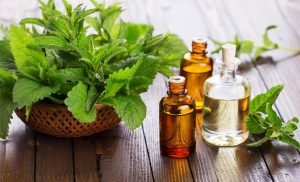
Tea Tree Essential Oil Tea tree oil is often referred to as “medicine cabinet in a bottle,” as it’s ..
-

13 surprising home remedies for acid reflux Before you reach for the heavy-duty, prescription-strength ..
-
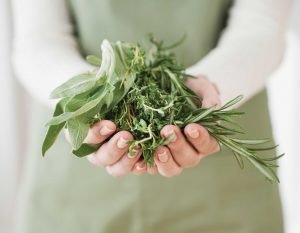
Great Burdock The root is used to treat ‘toxic overload’ that result in throat infections and skin ..