
-

1. Apples Are Nutritious A medium apple is equal to 1.5 cups of fruit. Two cups of fruit daily are recommended ..
-
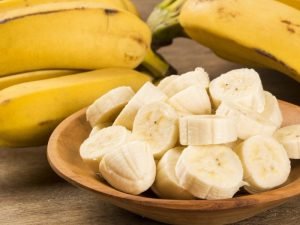
1.Bananas help overcome depression due to high levels of tryptophan, which is converted into serotonin ..
-
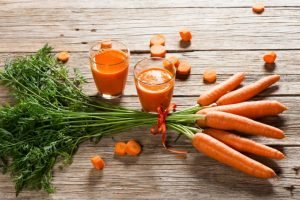
1. Beta carotene: Carrots are a rich source of this powerful antioxidant, which, among other vital uses, ..
-

Tinnitus in the ear can occur due to ear infections, various infections, perforation of the eardrum, ..
-
Comments Off on Pregnancy Calendar – Week 5 of Your Pregnancy

5-week pregnancy “Pregnancy calendar” at week 5: Your baby’s brain is developing. You may feel ..
-
Comments Off on Pregnancy Calendar – Week 4 of Your Pregnancy

4 weeks pregnancy “Pregnancy calendar” at 4th week: A miracle begins! Your baby, now consisting ..
-

Natural Diuretics That Help Reduce Bloating and Water Weight
There is a particular kind of puffiness that arrives with the first stretch of warm weather across Sydney, Melbourne and Brisbane, when the air thickens and ankles seem to disappear into the legs. Many Australians notice rings sitting tighter on their fingers by the end of a long flight from Perth to Hobart, or feel their stomachs distended after a weekend of salty takeaway and a few too many schooners with friends. Bloating and water weight are rarely a sign of anything serious, but they are uncomfortable enough to send people searching for relief.
Natural diuretics are foods, drinks and herbs that encourage the kidneys to pass more sodium and water through urine, easing that tight, swollen feeling. Used alongside sensible hydration and food choices, several everyday options can help the body let go of the fluid it is holding onto. The sections below look at how fluid retention works, which kitchen staples and herbs have a gentle diuretic effect, and the small lifestyle shifts that make the biggest difference for people living an Australian life.
Why the Body Holds Onto Extra Fluid
Water retention happens when fluid leaks from the bloodstream into surrounding tissues, or when the kidneys slow their usual rate of excretion. Sodium is the biggest lever: the more salt sitting in the bloodstream, the more water the body hangs onto to keep the balance steady. Hormones also play a part, particularly aldosterone and antidiuretic hormone, both of which shift during stress, travel, menstrual cycles and long periods of sitting still. Heat is another trigger, and the long stretches of warm nights that stretch from October through March in most Australian capitals give the body every reason to conserve fluid rather than release it.
Some people also retain water after eating refined carbohydrates, because each gram of glycogen stored in the muscles pulls roughly three grams of water with it. A drop in potassium has a similar effect, since potassium works on the opposite side of the membrane from sodium and helps push fluid back into the kidneys for excretion. Medication matters too. Common blood pressure treatments, some antidepressants and anti-inflammatories such as ibuprofen can leave the body holding extra fluid, which is why any persistent swelling deserves a conversation with a GP rather than a self-prescribed herbal plan.
Water, Potassium and the Hydration Paradox
The single most effective natural diuretic is often the simplest: water itself. When the body senses dehydration, it tightens its grip on every drop it has, producing concentrated urine and a swollen, puffy appearance. Drinking steadily through the day, particularly in the dry air of air-conditioned offices in Adelaide or the heated interiors of Canberra homes in winter, signals to the kidneys that fluid is plentiful and can be released. Australians aiming for roughly 1.6 to 2 litres of fluid across the day, adjusted upward during heatwaves or heavy training for events like City2Surf, usually notice a softer, less bloated feeling within a few days.
Potassium-rich foods pull sodium out through the urine and relax the walls of blood vessels, which makes them a quiet but powerful support. Bananas, avocados, sweet potatoes, spinach, tomatoes and white beans are all easy to find at any Coles or Woolworths and have a higher potassium-to-sodium ratio than most packaged snacks. Replacing a serve of chips with a banana after a beach workout at Bondi or a long shift outdoors in regional Queensland often produces visible changes in ankle swelling within a week. Magnesium, found in pumpkin seeds, dark chocolate and leafy greens, also supports the enzyme systems that regulate fluid balance.
Plant-Based Options With Mild Diuretic Action
A handful of herbs and traditional remedies have earned a reputation as gentle, food-grade diuretics that work over hours rather than minutes. Dandelion leaf tea, made from the dried leaves of Taraxacum officinale, increases urine output by stimulating the kidneys without flushing potassium the way prescription diuretics can. It grows freely across temperate parts of Victoria and Tasmania, and dried leaf is sold in most health food shops and the larger pharmacy chains. Parsley works in a similar way, both as a garnish stirred into soups and salads and as a stronger infusion brewed from a handful of fresh stems in hot water.
Celery seeds and celery itself contain phthalides and other compounds that support kidney function, and a few celery stalks with hummus is a common snack across Australian office lunchrooms. Cucumber, with its high water content and modest potassium level, offers a cooling, mildly diuretic effect that suits hot summer days. Hibiscus tea, which pours a deep ruby colour and tastes tart and refreshing, has been studied for its blood-pressure-lowering and diuretic properties and is widely stocked at Harris Farm and independent grocers. Green tea and black tea both contain caffeine, a mild natural diuretic, though anyone sensitive to caffeine should keep their intake to before lunch and stick to herbal options in the afternoon.
Everyday Foods Already in Australian Pantries
Some of the most useful diuretic foods are already sitting in the fridge. Lemons, abundant in Australian supermarkets year-round thanks to domestic production in Queensland and imports from controlled overseas growers, support liver detoxification and add a clean citrus note to water that encourages steady sipping. Ginger, another staple grown in the Bundaberg region and sold as fresh root or as a powder, warms the digestive tract and helps the gut move rather than ferment, which reduces the gas-related distension that often gets confused with water retention.
Asparagus contains asparagine, an amino acid that gives urine its distinctive smell after a serving and signals the kidneys are doing extra work. It is in season from September to December, fitting neatly with the Australian spring. Watermelon, pineapple and strawberries all have a high water-to-sugar ratio and a modest diuretic effect, making them natural choices for the fruit bowl during the warmer months. Apple cider vinegar, used in small amounts in dressings or diluted in warm water before meals, has a folk reputation for reducing bloating, though the evidence is mostly anecdotal and it should always be diluted to protect tooth enamel and the stomach lining.
Movement, Sleep and Salt Awareness
Exercise moves lymphatic fluid, lowers cortisol and improves circulation through the legs, all of which help the body release the water it has been storing. A thirty-minute walk around the Tan in Melbourne, a swim at Manly Beach or a yoga class in a Brisbane studio is enough to shift most of the day's accumulated puffiness. Sitting for long stretches, common during long-haul flights from Sydney to Europe or long drives across the Nullarbor, allows fluid to pool in the lower legs and should be broken up every hour or two with a few minutes of standing and gentle calf raises.
Sleep is another quiet lever. The body does much of its hormonal housekeeping overnight, including the regulation of antidiuretic hormone, and fewer than seven hours of sleep tends to leave people both hungrier for salty food and slower to clear fluid the next day. Australians juggling shift work in mining, healthcare or hospitality often see stubborn bloating lift once sleep duration improves, even before any other change is made. Cutting back on ultra-processed snacks such as savoury biscuits, deli meats and frozen pizzas, all of which are heavy in sodium, makes the single biggest dietary difference and is the change most likely to show up on the scales within a few days.
Safety, Interactions and Local Regulations
Herbal diuretics are usually safe in food amounts, but concentrated supplements sit under the supervision of the Therapeutic Goods Administration, which means Australian products must meet quality and labelling standards. Claims on the label are tightly controlled, and a product promising dramatic water loss in days should be treated with caution. People taking prescription diuretics, lithium, blood pressure medication or diabetes medication should speak to a pharmacist or GP before adding herbal options, since stacking multiple diuretics can shift electrolytes too far.
Pregnant Australians should be especially careful, since many herbal diuretics have not been studied for safety in pregnancy and fluid retention late in pregnancy can be a sign of pre-eclampsia, which needs medical assessment rather than herbal support. Anyone with persistent swelling, sudden weight gain, shortness of breath or swelling on one side only should book an appointment rather than self-treat. Readers who would like personalised guidance from a qualified practitioner can send a question through the website's contact form.
Steady Habits That Keep Fluid Moving
- Sip water steadily through the day rather than chasing large amounts at once, and add a slice of lemon or cucumber for variety.
- Build meals around potassium-rich produce such as bananas, leafy greens, avocados and sweet potatoes, and treat salty snacks as the occasional exception rather than the default.
- Move the body for at least half an hour most days, even if it is just a brisk walk through a local park or a swim at the nearest beach.
- Keep caffeine moderate and shift to herbal teas such as dandelion, hibiscus or parsley later in the day.
- Read supplement labels, check for the AUST L number that signals TGA listing, and speak with a pharmacist if taking prescription medication.
- Aim for seven to nine hours of sleep and treat the evening wind-down as part of the fluid balance equation, not separate from it.
-
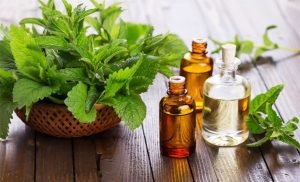
Tea Tree Essential Oil Tea tree oil is often referred to as “medicine cabinet in a bottle,” as it’s ..
-

13 surprising home remedies for acid reflux Before you reach for the heavy-duty, prescription-strength ..
-

Great Burdock The root is used to treat ‘toxic overload’ that result in throat infections and skin ..