
-

1. Apples Are Nutritious A medium apple is equal to 1.5 cups of fruit. Two cups of fruit daily are recommended ..
-

1.Bananas help overcome depression due to high levels of tryptophan, which is converted into serotonin ..
-

1. Beta carotene: Carrots are a rich source of this powerful antioxidant, which, among other vital uses, ..
-

Tinnitus in the ear can occur due to ear infections, various infections, perforation of the eardrum, ..
-
Comments Off on Pregnancy Calendar – Week 5 of Your Pregnancy

5-week pregnancy “Pregnancy calendar” at week 5: Your baby’s brain is developing. You may feel ..
-
Comments Off on Pregnancy Calendar – Week 4 of Your Pregnancy

4 weeks pregnancy “Pregnancy calendar” at 4th week: A miracle begins! Your baby, now consisting ..
-

Natural Remedies for Sinus Pressure Without Decongestants
Sinus pressure can make the forehead, cheeks, eyes or upper teeth feel tender or heavy, especially when the head is bent forward. A blocked nose is common with viral colds, hay fever and inflamed sinus passages, although pressure alone does not prove that a sinus infection is present. Warm compresses, saline rinses, indoor humidity and simple comfort measures may ease symptoms without relying on oral or spray decongestants.
Natural care works best when it supports normal nasal drainage and addresses the trigger rather than trying to force mucus out. Evidence is strongest for saline nasal irrigation and cautious use of warm moisture; many herbal mixtures and strong essential oils have limited evidence and can irritate the airways. Anyone with severe headache, breathing difficulty, swelling around an eye or symptoms that persist or steadily worsen should obtain medical advice rather than continue home treatment.
What Sinus Pressure Really Means
The paranasal sinuses are air-filled cavities in the skull that are lined with moist tissue. Their small openings allow fluid to drain into the nose, and they produce mucus that helps trap dust and microorganisms. When the lining becomes swollen from an infection, allergy or irritation, these openings can narrow. Pressure, tenderness and reduced airflow then develop, although the underlying problem is inflammation rather than simply too much mucus.
A viral cold, allergic rhinitis, smoke, vaping or workplace dust can all produce similar symptoms. Sinusitis is diagnosed when symptoms suggest inflammation of the sinus passages, and bacterial sinusitis is less common than viral or allergic rhinitis. Persistent pressure around a single eye, severe tooth pain or prolonged symptoms deserve assessment, as dental problems and other conditions can cause similar discomfort. A blocked nose by itself is not a reliable indicator of a bacterial infection.
Saline Irrigation for Safer Relief
A sterile saline spray or nasal rinse can loosen mucus, wash away irritants and reduce the feeling of blockage without containing a decongestant. Saline is particularly useful for people who cannot tolerate herbal preparations or want a simple option during hay fever. A spray produces gentler delivery, while a squeeze bottle or neti pot can clear more material but may cause temporary stinging if the solution is too concentrated.
For a home rinse, use sterile or distilled water, or boil ordinary tap water and allow it to cool before use. Untreated tap water carries a very small but serious infection risk. Lean over a basin, insert the device only as far as comfortable and allow the solution to drain naturally rather than forcing it through the sinuses. Most commercial products provide instructions for frequency, and more rinses are not automatically better. Stop if pain, bleeding, marked ear pressure or persistent irritation occurs.
Warmth, Steam and Indoor Humidity
A warm, damp compress held over the forehead, cheeks and nose may reduce the heavy sensation associated with sinus pressure. It can be used for 10 to 15 minutes at a time, with a comfortable temperature and a cloth barrier between the heat and the skin. A warm shower may offer similar comfort by adding moisture to the air. Steam inhalation has limited clinical evidence and cannot be assumed to cure sinusitis, so it should be treated as soothing rather than curative.
Dry indoor air can make nasal passages feel more irritated, particularly during winter heating. A clean humidifier may help in dry homes or cities such as Melbourne and Alice Springs, where indoor humidity can fall quickly. Sydney and Brisbane are generally more humid, so a humidifier may be unnecessary and could worsen mould or dust mites if the room becomes damp. Aim for moderate indoor humidity, around 40 to 50 per cent, and clean the device regularly. Eucalyptus oil is popular in Australia, but diffusing it does not reliably open congested sinuses and may trigger asthma or irritate children; it should never be swallowed or applied directly inside the nose.
Fluids and Kitchen Remedies
Staying comfortably hydrated supports general recovery, particularly if a fever, vomiting or reduced appetite is present. It is not necessary to force large amounts of fluid, and excessive water will not dissolve stubborn mucus more effectively. Warm water, broth or non-caffeinated tea can soothe an irritated throat and make the nose feel more comfortable. Ginger tea may feel soothing, but there is no good clinical evidence that ginger directly reduces sinus inflammation.
Honey can ease a cough associated with a cold, although it does not treat the underlying sinus blockage. It should never be given to a child under 12 months, and its sugar content may be unsuitable for regular use. Many complementary medicines sold through Australian chemists carry an AUST L listing, but that identifies a product as listed by the Therapeutic Goods Administration rather than proving that it works for sinusitis. Check with a pharmacist about ingredients, alcohol content and interactions, especially with pregnancy, asthma, liver disease or regular medicines. Concentrated eucalyptus and lemon oils should not be taken by mouth.
Allergens and Australian Triggers
Australians commonly describe sneezing, watery eyes and a persistently blocked nose as hay fever, even when dust mites or mould are the true trigger. Pollen levels can be pronounced during spring in Sydney and New South Wales, while grass and tree allergens are important in Melbourne and other parts of Victoria. Seasonal timing differs across the country, including tropical Queensland, so local pollen information is more useful than a fixed national calendar. Symptoms that appear outdoors and settle indoors may point towards an environmental allergy.
House dust mites, pet dander, mould, smoke and aerosolised workplace dust can also keep sinus passages irritated. Wash hands and change outdoor clothing after high exposure, keep windows closed during intense pollen periods, and clean damp areas promptly. Bedding, soft furnishings and carpets can collect allergens, while a vacuum with a fine particulate filter may reduce their movement. A pharmacist can advise on non-decongestant allergy treatments such as antihistamines or an appropriate nasal corticosteroid spray, which may be more useful than repeatedly rinsing or using natural products alone.
Rest, Position and Daily Comfort
Sleeping with the head slightly elevated can help mucus drain away from the sinus openings and may make nighttime breathing more comfortable. An extra pillow or a purpose-built wedge can provide the needed lift, although a very high pillow may worsen reflux. Side sleeping should be chosen according to which nostril feels clearest, and the room can be kept comfortably cool and smoke-free. Rest is particularly helpful during the first few days of a viral illness, but prolonged inactivity is unnecessary once symptoms begin to improve.
Gentle massage over the bridge of the nose and cheekbones may ease tension or the sensation of pressure, provided no pain is provoked and the eyes are not pressed. Warm drinks, saline and a short walk may be enough for mild symptoms, while strenuous exercise should wait if there is fever, dizziness or marked weakness. People who feel well enough for a gentle bush walk can plan their gear carefully; this guide to a solar backpack setup may help with carrying water, sun protection and a charged phone without overloading.
When to Seek Medical Help
Most uncomplicated viral congestion and sinus pressure improve within seven to ten days. Arrange a medical appointment if symptoms last beyond 10 days without improvement, become severe after an initial improvement, or worsen again after starting to recover. The same applies to persistent high fever, significant facial or tooth pain, one-sided blockage or repeated episodes. A clinician can assess for bacterial sinusitis, allergy, dental causes and complications; antibiotics are not automatically required for every case of congestion.
Seek urgent medical care for redness or swelling around an eye, altered vision, severe headache, confusion, a stiff neck, breathing difficulty, signs of dehydration or rapid deterioration. Call Triple Zero, 000, for severe breathing problems, collapse, confusion or neurological symptoms. Children, pregnant people, older adults and those with weakened immune systems or chronic lung disease should seek earlier advice when symptoms are persistent. Healthdirect’s nurse advice line on 1800 022 222 can also provide guidance on whether home care remains appropriate.
-
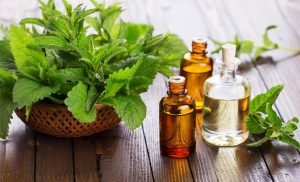
Tea Tree Essential Oil Tea tree oil is often referred to as “medicine cabinet in a bottle,” as it’s ..
-

13 surprising home remedies for acid reflux Before you reach for the heavy-duty, prescription-strength ..
-

Great Burdock The root is used to treat ‘toxic overload’ that result in throat infections and skin ..