
-
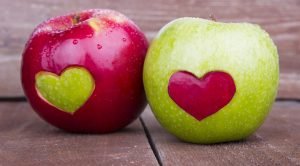
1. Apples Are Nutritious A medium apple is equal to 1.5 cups of fruit. Two cups of fruit daily are recommended ..
-
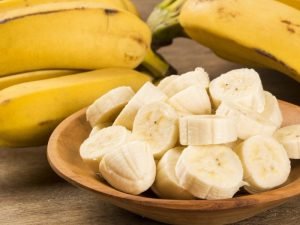
1.Bananas help overcome depression due to high levels of tryptophan, which is converted into serotonin ..
-
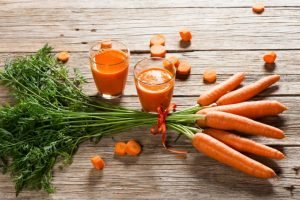
1. Beta carotene: Carrots are a rich source of this powerful antioxidant, which, among other vital uses, ..
-

Tinnitus in the ear can occur due to ear infections, various infections, perforation of the eardrum, ..
-
Comments Off on Pregnancy Calendar – Week 5 of Your Pregnancy

5-week pregnancy “Pregnancy calendar” at week 5: Your baby’s brain is developing. You may feel ..
-
Comments Off on Pregnancy Calendar – Week 4 of Your Pregnancy

4 weeks pregnancy “Pregnancy calendar” at 4th week: A miracle begins! Your baby, now consisting ..
-
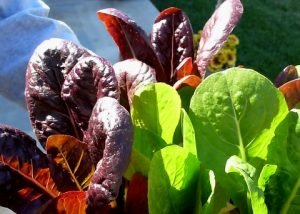
Natural Ways to Ease Water Retention and Bloating
Water retention and bloating can make the abdomen feel tight, leave rings feeling unusually snug, or cause swelling around the ankles and fingers. These symptoms are common after a salty meal, during hormonal changes, after long periods of sitting, or when digestion slows. In many cases, gentle changes involving fluids, food, movement, and sleep can provide relief.
Bloating usually involves gas, constipation, or a temporary increase in abdominal contents. Water retention, also called fluid retention or edema, involves excess fluid collecting in tissues. The two sensations may appear together, but they do not always have the same cause. Recognizing the difference helps you choose a suitable home approach.
Natural remedies can support everyday comfort, but they are not a substitute for medical care when swelling is severe, persistent, sudden, or linked with other symptoms. People who are pregnant, taking prescription medicines, or living with kidney, liver, heart, or blood pressure problems should take extra care before using herbal diuretics or making major dietary changes.
Why Fluid Retention And Bloating Happen
A high-sodium diet is one of the most common short-term reasons for puffiness. Sodium helps regulate fluid balance, but consuming more than the body needs can encourage temporary water storage. Restaurant meals, packaged soups, cured meats, salty snacks, sauces, and instant foods can contain substantial amounts even when they do not taste extremely salty.
Hormonal fluctuations may also affect fluid balance and digestion. Some people notice breast tenderness, abdominal fullness, or swollen hands before menstruation. Pregnancy can bring bloating and swelling as hormones change and the growing uterus affects circulation. Travel, hot weather, and sitting or standing for long periods may contribute to swelling in the lower legs.
Digestive bloating often has a different pattern. Eating quickly, swallowing air, drinking carbonated beverages, constipation, and sensitivity to certain carbohydrates can increase gas and abdominal pressure. Large portions of beans, onions, cabbage, or sugar alcohols may bother some people while causing no difficulty for others. A simple food and symptom diary can help identify personal triggers without removing many foods unnecessarily.
Foods And Drinks That Support Balance
Adequate water intake is important when trying to reduce puffiness. Drinking too little may make urine more concentrated and can worsen constipation, which may add to abdominal discomfort. Rather than forcing large amounts, sip water consistently throughout the day and use thirst, activity, climate, and urine color as general guides. Pale yellow urine often suggests reasonable hydration, although it is not a diagnostic measure.
Potassium-rich foods can help balance dietary sodium for many healthy adults. Bananas, oranges, potatoes, sweet potatoes, beans, lentils, tomatoes, leafy greens, yogurt, and avocados are useful sources. Whole foods are generally preferable to potassium supplements, which can be unsafe for people with kidney disease or those taking medicines that raise potassium levels.
Fiber supports regular bowel movements and may ease constipation-related bloating. Increase it gradually through oats, berries, vegetables, chia seeds, flaxseed, and whole grains, while also drinking enough fluid. A sudden large increase in fiber can create more gas, so small portions and steady changes are usually better tolerated.
Some foods and beverages have mild digestive or diuretic effects. Cucumber, watermelon, citrus fruit, ginger, and peppermint tea may fit comfortably into a balanced diet. These choices can support hydration or digestion, but they do not “flush toxins” or rapidly remove significant edema. Avoid relying on juice cleanses, extreme fasting, or very low-calorie plans for fluid loss.
Herbal Options And Their Safety
Ginger may help some people with nausea and sluggish digestion, while peppermint tea can relax intestinal muscles and ease occasional gas. Fennel tea is traditionally used for digestive discomfort, although evidence varies and it may not be appropriate for everyone. These beverages are best viewed as gentle comfort measures rather than treatments for unexplained swelling.
Dandelion is commonly promoted as a natural diuretic because it may increase urination. However, herbal diuretics can interact with water pills, lithium, blood pressure drugs, diabetes medicines, and other prescriptions. They may also disturb electrolytes or worsen dehydration. Horsetail, parsley preparations, juniper, and concentrated “detox” blends carry similar concerns and should not be used casually.
Natural approach Possible benefit Important caution Water throughout the day Supports hydration and bowel regularity Medical fluid restrictions require professional guidance Potassium-rich foods Helps support normal fluid balance Ask a clinician if kidney disease or potassium-affecting medicines are involved Ginger or peppermint tea May ease gas, nausea, or digestive discomfort Peppermint may worsen reflux; concentrated products can interact with medicines Gentle walking Encourages circulation and bowel movement Stop if swelling is painful, sudden, or associated with breathing problems Lower-sodium meals May reduce temporary puffiness Do not replace sodium with unregulated supplements or extreme restriction Pregnant people should avoid treating swelling with herbal diuretics unless their obstetric clinician specifically recommends a product. “Natural” does not automatically mean safe during pregnancy, breastfeeding, childhood, or chronic illness. Concentrated capsules and tinctures are more likely to deliver unpredictable doses than ordinary culinary amounts of herbs.
Movement And Positioning For Better Circulation
Light activity can help fluid move through the body, particularly after travel or desk work. Walking, gentle cycling, stretching, and ankle pumps encourage the calf muscles to support circulation. Short movement breaks every hour may be more practical than one intense workout when the main problem is lower-leg heaviness.
Elevating the legs for a brief period may reduce mild ankle swelling. Lie down and place the lower legs on pillows so they are comfortably raised, without creating pressure behind the knees. Supportive shoes and avoiding tight socks or clothing can also improve comfort. Compression socks may help some forms of leg swelling, but they should be selected with professional advice when circulation is poor or the cause is unknown.
Abdominal movement can support digestion as well. A gentle walk after meals may reduce the sensation of fullness, while slow breathing can relax abdominal tension. Avoid vigorous exercise immediately after a large meal if it worsens cramping or reflux.
Everyday Habits That Reduce Discomfort
Eating slowly and chewing thoroughly reduces swallowed air and gives the body more time to register fullness. Smaller meals may be easier to tolerate than very large portions, especially in the evening. Limit carbonated drinks, chewing gum, and frequent use of straws if these habits seem to increase gas.
Sleep affects appetite, digestion, and hormone regulation. Keeping a regular sleep schedule and allowing time to unwind may help reduce habits that promote bloating, such as late-night overeating or relying on salty convenience foods. Managing stress through breathing exercises, quiet walking, yoga, or another calming practice may also lessen the way digestive discomfort feels.
A short record of meals, bowel movements, menstrual timing, activity, and symptoms can reveal patterns. Rather than removing many foods at once, change one factor for several days. If dairy, wheat, legumes, or certain fruits repeatedly trigger symptoms, discuss the pattern with a registered dietitian or healthcare professional before beginning a restrictive diet.
A Practical Daily Routine
- Begin the day with water and a balanced breakfast containing protein, fiber, and fruit or vegetables.
- Choose fresh or minimally processed foods more often, and compare labels for sodium in packaged meals and snacks.
- Take a brief walk or stretch after meals and avoid sitting continuously for several hours.
- Use ginger or peppermint tea only if it suits your health needs and does not worsen reflux or interact with medication.
- Track persistent swelling, abdominal symptoms, food triggers, menstrual changes, and any new medicines.
When Swelling Needs Medical Attention
Seek urgent medical help for sudden swelling in one leg, especially when it is painful, warm, red, or accompanied by shortness of breath or chest pain. These symptoms can indicate a blood clot or another serious problem. Rapid swelling of the face, lips, or tongue, particularly with difficulty breathing, may signal a severe allergic reaction.
Contact a healthcare professional about swelling that persists, keeps returning without an obvious reason, or affects the hands, feet, abdomen, or face. Medical evaluation is especially important when swelling occurs with unusual fatigue, yellowing of the skin, reduced urination, frothy urine, rapid weight gain, high blood pressure, or breathlessness when lying down.
Bloating also deserves assessment when it lasts for weeks, steadily worsens, or occurs with vomiting, blood in the stool, unexplained weight loss, fever, severe pain, or a significant change in bowel habits. Pregnancy-related swelling should be reported promptly if it appears suddenly or comes with headache, vision changes, upper abdominal pain, or elevated blood pressure.
A clinician can review medications, examine circulation, and check the heart, kidneys, liver, thyroid, and digestive system when needed. Some medicines, including certain anti-inflammatory drugs, hormones, steroids, and blood pressure treatments, can contribute to fluid retention. Do not stop a prescribed medicine without medical guidance.
Use gentle hydration, lower-sodium meals, regular movement, and digestion-friendly habits as a sensible starting point for occasional discomfort. Keep the focus on consistent care rather than rapid fluid loss, and treat herbal products with the same caution given to conventional medicines. For symptoms that persist or any warning signs, arrange a professional evaluation so the underlying cause is addressed safely.
-
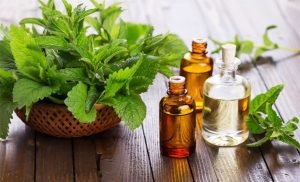
Tea Tree Essential Oil Tea tree oil is often referred to as “medicine cabinet in a bottle,” as it’s ..
-

13 surprising home remedies for acid reflux Before you reach for the heavy-duty, prescription-strength ..
-
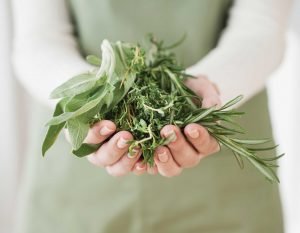
Great Burdock The root is used to treat ‘toxic overload’ that result in throat infections and skin ..