
-

1. Apples Are Nutritious A medium apple is equal to 1.5 cups of fruit. Two cups of fruit daily are recommended ..
-
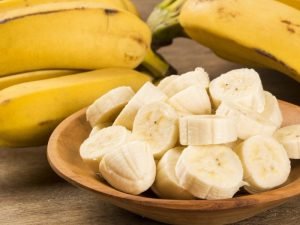
1.Bananas help overcome depression due to high levels of tryptophan, which is converted into serotonin ..
-
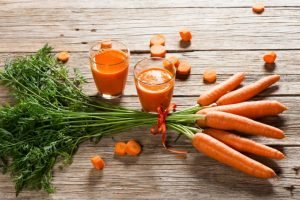
1. Beta carotene: Carrots are a rich source of this powerful antioxidant, which, among other vital uses, ..
-

Tinnitus in the ear can occur due to ear infections, various infections, perforation of the eardrum, ..
-
Comments Off on Pregnancy Calendar – Week 5 of Your Pregnancy

5-week pregnancy “Pregnancy calendar” at week 5: Your baby’s brain is developing. You may feel ..
-
Comments Off on Pregnancy Calendar – Week 4 of Your Pregnancy

4 weeks pregnancy “Pregnancy calendar” at 4th week: A miracle begins! Your baby, now consisting ..
-
Natural remedies for constipation using everyday pantry ingredients
Constipation affects roughly one in seven adults at some point in their lives, and Australians report it just as often as people in the United Kingdom or North America. Busy workdays in Sydney, long commutes across Melbourne's outer suburbs, and the dehydration that comes with hot Brisbane summers can all slow the digestive system. Rather than reaching for over-the-counter laxatives at the first sign of discomfort, many people prefer to try gentler options first.
The appeal of kitchen-based solutions lies in their simplicity. Most of the ingredients that help move things along — prunes, kiwifruit, olive oil, ground flaxseed, warm liquids — are already sitting in the pantry or fridge. Australian supermarkets such as Coles and Woolworths stock these items year-round, and the country's Dietary Guidelines encourage a high-fibre eating pattern built around wholegrains, legumes, vegetables and fruit. Following that pattern is the foundation of any natural approach to constipation, with a few targeted foods offering extra support.
This guide walks through the everyday ingredients that research has linked to better bowel regularity, the habits that help them work, and when it makes sense to seek medical advice. Throughout, the focus stays on small, sustainable changes rather than dramatic interventions — the kind of adjustments that fit naturally into a typical Aussie week.
Why fibre and water work together
Fibre adds bulk and water content to stool, which encourages the colon to contract and push waste forward. Australians are advised to aim for 25 to 30 grams of fibre each day, yet the average intake sits closer to 20 grams. Adding a serve of high-fibre food to two or three meals a day is the simplest way to close that gap. Kiwifruit, which is grown commercially across parts of New Zealand and Tasmania, contains both soluble and insoluble fibre along with actinidin, an enzyme that aids protein digestion and helps soften stool. Two peeled kiwifruit a day have been studied in clinical trials and shown to improve bowel movements in people with chronic constipation.
Water is the other half of the equation. Fibre without fluids can leave stool hard and difficult to pass, which is the opposite of what is needed. In drier inland regions such as Adelaide or during Perth's summer heat, the body loses fluid faster than people realise. Carrying a water bottle during the day and sipping regularly — rather than waiting until thirsty — supports both digestion and overall hydration. Herbal teas count toward fluid intake, though caffeinated coffee in large amounts can have a mildly dehydrating effect for some people.
The Australian Dietary Guidelines recommend keeping sodium intake below 2,000 milligrams per day and balancing it with potassium-rich foods such as bananas, sweet potato and legumes. Potassium helps the muscles in the digestive wall contract rhythmically, which supports the natural wave-like motion that moves food through the gut. Pairing fibre-rich foods with adequate water and potassium is the base layer that makes every other remedy more effective.
Prunes, figs and dried fruit traditions
Prunes have a long history as a constipation remedy, and modern research backs the folklore. They contain sorbitol, a natural sugar alcohol that draws water into the colon, as well as fibre and polyphenols that feed beneficial gut bacteria. A typical serving of four to eight prunes a day is enough for most adults. Prunes are easy to find at any Australian greengrocer or supermarket, and they can be eaten on their own, soaked overnight and blended into smoothies, or chopped into porridge.
Figs and dates work in a similar way and offer variety for people who find prunes too sweet. Medjool dates, which are widely available in Perth and Sydney, pair fibre with magnesium — another mineral that helps relax the intestinal wall and ease passing. Soaking dried fruit in warm water for a few hours before eating softens the texture and makes them gentler on the stomach, especially for older adults in aged-care facilities or anyone with a sensitive gut.
Dried apricots and raisins also contribute useful fibre, though they are slightly less potent than prunes and figs. A simple breakfast habit of adding a small handful of dried fruit to natural yoghurt or oats covers several needs at once: fibre, fluid from the yoghurt, and probiotics from the cultured dairy. For Australians who avoid dairy, coconut yoghurt with added live cultures offers a comparable base.
Healthy fats that support smooth digestion
Olive oil has been part of Mediterranean-style diets for centuries, and the Mediterranean eating pattern is one of the most studied approaches for digestive health. A small amount of extra-virgin olive oil — about a tablespoon taken on an empty stomach or drizzled over vegetables — can help lubricate the digestive tract and stimulate bile flow. Olive oil is now a staple in most Australian kitchens, partly due to the country's embrace of Mediterranean cooking and partly because locally produced oils from regions like the Barossa Valley and the Mornington Peninsula have won international awards.
Ground flaxseed, also called linseed, is another gentle helper. It contains both soluble and insoluble fibre, plus omega-3 fatty acids that reduce inflammation in the gut. A tablespoon stirred into water, juice or yoghurt works well, but the seeds must be ground — whole flax passes through the body undigested. Many Australian supermarkets sell ground flaxseed in the health-food aisle, and it keeps for a few weeks in the fridge once opened.
Chia seeds behave similarly. They absorb up to twelve times their weight in water, forming a gel that softens stool. Mixing chia into overnight oats or a homemade jam with stewed fruit creates a fibre-dense breakfast that holds you through a busy morning. For anyone in humid Darwin or tropical north Queensland, hydration matters even more when eating chia, since the seeds draw fluid from whatever is in the digestive tract.
Fermented foods and the gut microbiome
The trillions of microbes living in the colon play a major role in how waste is processed. When the balance of these bacteria is healthy, fibre is fermented into short-chain fatty acids that feed the colon lining and support regular contractions. Fermented foods introduce helpful bacteria directly into the gut, which is one reason natural yoghurt, kefir, sauerkraut and kimchi have become everyday items in Australian kitchens over the past decade.
Sauerkraut and kimchi, found in the refrigerated section of major supermarkets, add both probiotics and fibre when used as a side dish with lunch or dinner. A small serve of about two tablespoons is plenty — too much can cause gas or bloating at first as the gut adjusts. Kefir, a tangy fermented milk drink, contains a wider variety of bacterial strains than yoghurt and can be blended into smoothies or poured over granola.
For those who don't tolerate dairy well, water kefir offers a non-dairy alternative made from fermented sugar water and fruit. Coconut kefir is another option sold in many Australian health-food shops. The key is consistency: occasional fermented foods won't shift a sluggish gut, but a small daily serve alongside a varied, fibre-rich diet tends to produce steady improvement over several weeks.
Movement, routine and lifestyle habits
Physical activity stimulates the muscles in the colon wall and shortens the time it takes for waste to move through the digestive tract. Australians are encouraged to accumulate 150 to 300 minutes of moderate activity per week, and even a brisk twenty-minute walk after dinner can make a noticeable difference. People who sit for long periods — office workers in Brisbane's CBD, students in Melbourne's inner suburbs, retirees spending quiet days at home — often find their digestion improves once they add a regular walk to their routine.
Establishing a consistent toilet routine also matters. The body responds well to habit, and visiting the bathroom at the same time each day, ideally after a meal or warm drink, trains the colon to contract on schedule. Squatting, or resting the feet on a small stool so the knees sit above the hips, straightens the anorectal angle and makes passing stool easier. Footstools designed for this purpose are sold at most Australian pharmacies.
Stress, lack of sleep and ignoring the urge to have a bowel movement all contribute to constipation over time. Mind-body practices such as yoga, deep breathing or even a short evening meditation help the parasympathetic nervous system engage, which is the part of the nervous system that controls digestion. For a deeper dive into the research behind these remedies and more information about digestive wellness, Healthy Life Live covers many related topics in plain, practical language.
Practical habits worth building into a typical week
- Keep a refillable water bottle on the desk or in the car and aim for around 1.5 to 2 litres across the day, with extra during hot weather or exercise.
- Add a serve of prunes, kiwifruit or other high-fibre fruit to breakfast on most days, and rotate the choices so the diet stays varied.
- Use extra-virgin olive oil as the main cooking fat and drizzle a little over cooked vegetables or salads where possible.
- Sprinkle ground flaxseed or chia into one meal a day, ideally alongside yoghurt, oats or a smoothie.
- Include a small portion of fermented food with at least one meal — yoghurt, kefir, sauerkraut or kimchi all count.
- Walk for fifteen to thirty minutes after the evening meal, even if it is just a loop around the neighbourhood.
- Listen to the body's signals and avoid delaying trips to the bathroom, since repeatedly ignoring the urge can weaken the reflex over time.
-
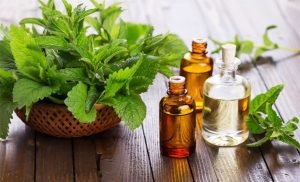
Tea Tree Essential Oil Tea tree oil is often referred to as “medicine cabinet in a bottle,” as it’s ..
-

13 surprising home remedies for acid reflux Before you reach for the heavy-duty, prescription-strength ..
-
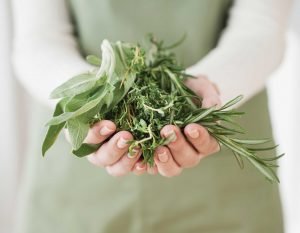
Great Burdock The root is used to treat ‘toxic overload’ that result in throat infections and skin ..