
-

1. Apples Are Nutritious A medium apple is equal to 1.5 cups of fruit. Two cups of fruit daily are recommended ..
-

1.Bananas help overcome depression due to high levels of tryptophan, which is converted into serotonin ..
-

1. Beta carotene: Carrots are a rich source of this powerful antioxidant, which, among other vital uses, ..
-

Tinnitus in the ear can occur due to ear infections, various infections, perforation of the eardrum, ..
-
Comments Off on Pregnancy Calendar – Week 5 of Your Pregnancy

5-week pregnancy “Pregnancy calendar” at week 5: Your baby’s brain is developing. You may feel ..
-
Comments Off on Pregnancy Calendar – Week 4 of Your Pregnancy

4 weeks pregnancy “Pregnancy calendar” at 4th week: A miracle begins! Your baby, now consisting ..
-

Natural Allergy Relief Without Antihistamines
Many Australians look for natural remedies for treating allergies without antihistamines because they prefer to avoid drowsiness, dry mouth or daily tablets. That preference deserves respect, but “natural” does not mean harmless. Pollen, dust mites, mould, animal dander and food allergens are different problems, and each may need a different response.
Relief can mean fewer sneezing fits, a clearer nose, less postnasal drip or better sleep; it need not mean removing every possible trigger. Exposure control and saline irrigation can help without blocking histamine. No home remedy, however, can reliably stop anaphylaxis, so severe symptoms need emergency treatment rather than an improvised substitute.
Set realistic goals for symptom control
Start by identifying the pattern rather than treating every blocked nose as hay fever. Seasonal sneezing, itchy eyes and watery discharge suggest pollen; year-round congestion may point to dust mites, pets or mould. Hives, facial swelling or breathing difficulty after food require prompt medical advice. A diary of symptoms, activities and treatments can reveal patterns before testing is considered.
A general practitioner can arrange allergy testing when the results would guide treatment. Allergy is not the only cause of congestion, and identifying a trigger does not automatically mean every exposure must be avoided. The practical goal is meaningful control: fewer symptoms, fewer disrupted activities and more comfortable sleep without unnecessary products or potentially harmful restrictions.
Reduce exposure in Australian daily life
Australian conditions create varied exposures. Melbourne’s spring plane-tree pollen, Sydney’s grass pollen and Brisbane’s humid subtropical conditions, which can support persistent mould spores, affect different residents at different times. Rainfall, wind and local vegetation alter these patterns, so regional advice is less useful than tracking the particular triggers that cause your own symptoms.
Pollen can concentrate on dry, windy mornings, when many people mow lawns, head to the garden or leave home with the windows open. Mowing when local pollen counts are lower, closing windows during high-pollen periods and rinsing exposed skin after outdoor work can reduce contact. A brimmed hat and sunglasses also form a barrier against pollen reaching the eyes, particularly during spring outings and outdoor sport.
Keep pets out of the bedroom, wash their bedding and vacuum regularly to limit dander and disturbed dust. Use a mattress protector and wash bedding regularly in hot water to reduce dust-mite allergens, and repair leaks or damp patches that encourage mould. Bushfire smoke and strong fragrances may irritate already sensitive airways even when they are not the original allergen.
Use saline to clear the nose and throat
Saline irrigation washes pollen, mucus and irritants from the nose without suppressing the immune response. It can modestly ease congestion, improve nasal clearance and may reduce reliance on other medicines, although it will not stop an allergic reaction or prevent new pollen entering. Regular rinses may be particularly helpful after time outdoors or before applying another nasal product.
Commercial sterile sprays are the simplest option. For rinses, Australian public health guidance recommends sterile water or water boiled for at least one minute and cooled in a clean, covered container; untreated tap water can carry microorganisms. Use a clean squeeze bottle or neti pot, follow its directions, and empty and air-dry the device after use to limit contamination.
A saline spray can be used several times daily as directed, while a stronger rinse may feel uncomfortable at first. Stop if pain, bleeding or persistent irritation occurs. Saline gargles can soothe a scratchy throat, but they do not treat the underlying allergy. Persistent nosebleeds, one-sided discharge or pain around the eye warrant medical review instead of repeated irrigation.
Honey and steam: popular remedies with limits
Honey is often promoted as a natural way to build tolerance to local pollen. Evidence for honey in allergic rhinitis is limited and inconsistent, and studies have not shown that honey collected near you reliably outperforms other honey. Taking a small amount before expected exposure has produced a possible modest benefit in some trials, but honey is not a substitute for immunotherapy.
It also carries clear risks. Never give honey to a child under 12 months because of infant botulism risk. For adults, large amounts add sugar to the diet and can harm dental health, particularly with diabetes. People with diagnosed pollen allergies may react to products containing pollen, so an allergy assessment is more sensible than assuming local honey is universally safe.
Steam inhalation is another common home remedy, but there is no good evidence that it treats an allergy, and hot steam can cause burns. A warm shower may make the nose feel more comfortable without directing boiling water towards the face. Humidifiers need regular cleaning, and adding eucalyptus or other essential oils can irritate the eyes, nose or lungs instead of relieving them.
Herbal remedies need a cautious approach
Ginger, pineapple-derived bromelain and stinging nettle are sometimes sold for hay fever, but good-quality clinical evidence for allergic rhinitis remains limited. These products should not be presented as equal to treatments with established effects. Their composition can vary, and a preparation’s reputation for being “herbal” says little about the dose, purity or suitability for a particular person.
Butterbur illustrates why caution matters. Although some research has examined it for allergic rhinitis, certain preparations have caused serious liver injury because they contained pyrrolizidine alkaloids. The Australian Therapeutic Goods Administration has warned about unsafe products. A health professional should assess any butterbur product; if use is appropriate, it should be a verified preparation free of these liver-toxic compounds.
Tea tree, chamomile and concentrated plant extracts can cause contact reactions or worsen asthma in susceptible people. Pregnancy, breastfeeding, childhood and regular medication use all make professional advice more important. Buying a complementary medicine is not the same as selecting an effective allergy treatment, and combining several products can increase side effects without improving symptom control.
Explore pharmacy options beyond antihistamines
Australian pharmacies and supermarkets offer options beyond oral antihistamines, including intranasal corticosteroid sprays, cromoglikate sprays, saline products and lubricating eye drops. A pharmacist can match these to the main symptoms and check suitability, rather than relying on broad claims about a “natural” product. Availability varies, so ask what is suitable for your age, medical history and other medicines.
Intranasal corticosteroids are often the most useful option for persistent nasal symptoms. Regular use can reduce inflammation with less systemic exposure than an oral steroid, but they usually need several days of consistent use. Follow the label, aim the nozzle away from the nasal septum, and discuss persistent side effects rather than increasing the dose independently.
Under Australia’s medicines framework, the Therapeutic Goods Administration regulates registered and listed therapeutic goods. Registered medicines are assessed for quality, safety and efficacy for their particular indications; listed medicines, often marked AUST L, face a different assessment process. Neither label nor a familiar brand guarantees that a product will ease allergic rhinitis, so the full ingredients and permitted claims still need checking.
Options worth discussing
- Intranasal corticosteroid sprays: Reduce nasal inflammation and can help sneezing, congestion and postnasal drip when used correctly.
- Cromoglikate nasal spray: Works through a different mechanism from antihistamines and may be worth asking about if one is suitable and available.
- Saline sprays and gels: Clear mucus and pollen mechanically, with no antihistamine effect or sedative potential.
- Lubricating eye drops: Can ease itchy, watery eyes; frequent users may prefer preservative-free products.
Points to check before buying
- Regulatory status: Look for the AUST L number on listed medicines and confirm any claims on the pack.
- Ingredients: Check for added fragrance, alcohol, plant extracts or sweeteners that may irritate you.
- Age and pregnancy guidance: Follow the label and ask a pharmacist when the instructions are unclear.
- Expected benefit: Favour a clear indication for your symptoms over vague promises of immune support.
Recognise when symptoms need urgent care
Call 000 immediately for trouble breathing, throat tightness, tongue or lip swelling, faintness, or a rapidly developing reaction involving several body systems. Anaphylaxis can occur without a rash. Use an adrenaline autoinjector if one has been prescribed, following its instructions, and do not rely on herbal products, saline or antihistamines to manage the emergency.
Arrange medical review for symptoms that repeatedly disturb sleep, persist through a season despite sensible care, or occur after new medicines, foods or household changes. An allergist can confirm the cause and consider immunotherapy, which gradually reduces sensitivity to selected triggers. In Australia, immunotherapy may involve injections or tablets under specialist supervision; it is a medical treatment, not a home remedy.
Asthma or existing heart disease also deserves extra caution because allergic symptoms can be more serious in these groups. A workable plan combines trigger reduction, saline support and an appropriate non-antihistamine treatment when needed. For many people, that combination makes seasonal symptoms manageable while keeping emergency readiness separate from everyday symptom relief.
-
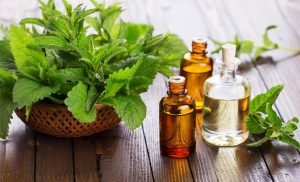
Tea Tree Essential Oil Tea tree oil is often referred to as “medicine cabinet in a bottle,” as it’s ..
-

13 surprising home remedies for acid reflux Before you reach for the heavy-duty, prescription-strength ..
-

Great Burdock The root is used to treat ‘toxic overload’ that result in throat infections and skin ..