
-

1. Apples Are Nutritious A medium apple is equal to 1.5 cups of fruit. Two cups of fruit daily are recommended ..
-
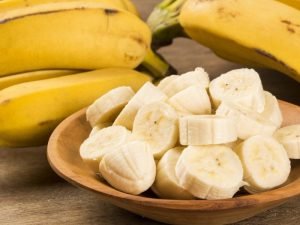
1.Bananas help overcome depression due to high levels of tryptophan, which is converted into serotonin ..
-
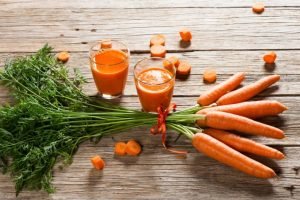
1. Beta carotene: Carrots are a rich source of this powerful antioxidant, which, among other vital uses, ..
-

Tinnitus in the ear can occur due to ear infections, various infections, perforation of the eardrum, ..
-
Comments Off on Pregnancy Calendar – Week 5 of Your Pregnancy

5-week pregnancy “Pregnancy calendar” at week 5: Your baby’s brain is developing. You may feel ..
-
Comments Off on Pregnancy Calendar – Week 4 of Your Pregnancy

4 weeks pregnancy “Pregnancy calendar” at 4th week: A miracle begins! Your baby, now consisting ..
-
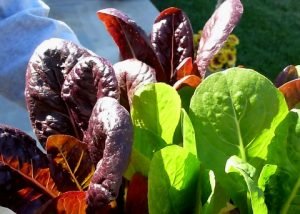
Natural Ways to Ease Constipation Through Diet and Hydration
Constipation can make everyday life uncomfortable, especially when stools become hard, bowel movements are infrequent, or straining leaves you feeling tired and bloated. Diet, fluid intake, movement and regular bathroom habits often have a meaningful effect on bowel function. For many people, small changes made consistently are more helpful than a sudden increase in one particular food.
In Australia, hot weather, long commutes, shift work and reliance on packaged convenience foods can all affect digestion. A practical approach is to increase fibre gradually, drink enough water, choose fresh seasonal produce and allow time for the body’s natural bowel signals. These measures may ease occasional constipation, although persistent or severe symptoms need medical assessment.
Understand how diet affects bowel movements
Fibre gives stool bulk and helps it retain water, making it easier to pass. There are two main types. Soluble fibre absorbs water and forms a softer gel, while insoluble fibre adds volume and encourages movement through the digestive tract. Oats, barley, legumes, fruit and vegetables provide soluble fibre; wholegrain bread, bran, nuts, seeds and vegetable skins contribute useful insoluble fibre.
Australian adults are generally advised to aim for around 25 to 30 grams of fibre daily, although individual needs vary. A person who currently eats little fibre should increase intake over a week or two rather than changing everything overnight. A sudden jump can cause gas, cramping and abdominal fullness, particularly if fluid intake remains low.
Constipation may also be linked to low activity, ignoring the urge to use the toilet, travel, stress, some medicines or changes in routine. Iron supplements, opioid pain medicines, certain antacids and some medications for allergies or depression can contribute. Anyone who suspects a medicine is affecting bowel habits should speak with a pharmacist or doctor before stopping it.
Build fibre into everyday meals
Start the morning with porridge made from rolled oats, topped with kiwi fruit, berries, pear or a spoonful of ground linseeds. Wholegrain toast with avocado, baked beans or a vegetable-based spread can provide more fibre than white toast. Adding legumes to lunch or dinner is another effective step: lentils, chickpeas, kidney beans and cannellini beans work well in soups, salads, curries and pasta sauces.
Aim to fill a substantial part of the plate with vegetables, choosing a mixture of leafy greens, carrots, pumpkin, peas, corn, broccoli and sweet potato. Keep edible skins on well-washed produce when appropriate, because the skin often contains fibre. At a Melbourne farmers’ market or a local greengrocer, seasonal choices can make this approach affordable and varied; frozen vegetables are also nutritious and convenient when fresh produce is expensive.
Increase fibre alongside fluids. Fibre needs water to expand and soften stool, so eating large quantities of bran or seeds without drinking enough may worsen discomfort. Introduce one change at a time, such as swapping white rice for brown rice or adding half a cup of beans to a meal, then give the digestive system several days to adjust.
Make hydration part of the routine
Water is usually the simplest drink for supporting softer stools. Rather than waiting until you feel very thirsty, take regular drinks throughout the day. Carrying a refillable bottle can help during work, shopping or travel, while soups, milk and water-rich foods such as cucumber, oranges, strawberries and watermelon also contribute to fluid intake.
Needs rise in hot conditions and during physical activity. Someone walking in Brisbane humidity, working outdoors in regional New South Wales or spending a summer day at the beach may need more fluid than usual. Sweat, dark urine, a dry mouth, headache and dizziness can indicate that intake is inadequate, although urine colour can also be affected by supplements and certain medicines.
Tea and coffee can count towards daily fluid intake for many people, but they should not replace water entirely. Alcohol may promote dehydration and can disrupt regular eating and sleeping patterns. People with heart failure, kidney disease or another condition requiring fluid restriction should follow their clinician’s personalised advice rather than increasing fluids independently.
Choose foods with gentle bowel-supporting effects
Prunes and prune juice are well-known home options because prunes contain fibre and sorbitol, a naturally occurring compound that draws water into the bowel. A small serving may be enough; too much can cause gas or loose stools. Kiwifruit, pears, apples, figs, oranges and berries are other useful choices because they combine fluid, fibre and natural plant compounds.
For people who tolerate them, fermented foods such as yoghurt with live cultures, kefir, sauerkraut and kimchi may support a diverse gut microbiome. The response varies, and products high in added sugar or salt are not ideal as everyday staples. Plain yoghurt with fruit and oats is a balanced option that adds protein as well as fibre.
Edible fruit skins can contribute to overall fibre intake when produce is washed thoroughly. If you buy organic apples and want to understand more about using the peel and core safely, read about the benefits of apple peels. Avoid eating fruit parts that are tough, spoiled or difficult to chew, and remember that organic produce still needs careful washing.
Create practical habits that support regularity
A consistent routine can help the bowel respond more predictably. Many people have a natural urge after breakfast because eating stimulates movement in the colon. Allow enough time, sit comfortably and avoid repeatedly delaying the urge. A small footstool can raise the knees slightly above the hips, which may make passing stool easier by improving posture.
Gentle activity encourages normal intestinal movement. A 20- to 30-minute walk after a meal, light cycling, swimming or regular stretching may help. Even short walking breaks during a desk-based workday are useful. In Australia, taking a shaded morning walk during hot weather can support both hydration habits and daily movement without excessive heat exposure.
Use these simple actions as a gradual routine:
- Add one extra serve of vegetables to lunch or dinner.
- Replace refined grains with wholegrain bread, brown rice or oats.
- Include beans, lentils or chickpeas several times each week.
- Drink water regularly and increase intake during heat or exercise.
- Try a small serving of prunes, kiwifruit or pears if tolerated.
- Walk gently each day and respond promptly to the urge to use the toilet.
- Increase fibre slowly while monitoring bloating, pain and stool changes.
At Australian supermarkets, compare labels for dietary fibre when choosing breakfast cereals, crackers and bread. Products marketed as “high fibre” can still contain considerable added sugar or salt, so the nutrition panel matters. Fresh, frozen and canned vegetables can all fit a healthy pattern; choose reduced-salt canned beans and rinse them before use.
Know when constipation needs medical care
Occasional constipation often improves after changes to food, fluids and activity, but symptoms should not be ignored when they are severe, recurring or unexplained. Seek prompt medical advice for blood in the stool, black stools, ongoing vomiting, fever, marked abdominal swelling, severe pain or an inability to pass gas. Unintentional weight loss, persistent tiredness or a new change in bowel habits also warrants assessment.
Children, pregnant people, older adults and anyone with a chronic illness may need individual guidance. Pregnancy hormones, reduced activity and pressure on the bowel can contribute to constipation, while iron supplements may make it worse. A midwife, GP or pharmacist can suggest safe adjustments rather than relying on unverified herbal remedies or laxative products.
If dietary measures do not help after several days, speak with a pharmacist or GP. They can check for medication effects, dehydration, thyroid problems, irritable bowel syndrome or other causes. Some laxatives are suitable for short-term use, but frequent self-treatment may hide an underlying problem or lead to unsuitable use. A clinician can recommend the right type and duration for your circumstances.
-

Tea Tree Essential Oil Tea tree oil is often referred to as “medicine cabinet in a bottle,” as it’s ..
-

13 surprising home remedies for acid reflux Before you reach for the heavy-duty, prescription-strength ..
-
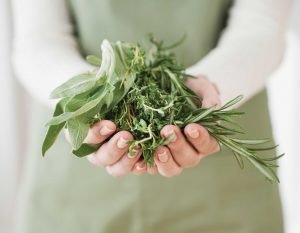
Great Burdock The root is used to treat ‘toxic overload’ that result in throat infections and skin ..