
-

1. Apples Are Nutritious A medium apple is equal to 1.5 cups of fruit. Two cups of fruit daily are recommended ..
-

1.Bananas help overcome depression due to high levels of tryptophan, which is converted into serotonin ..
-
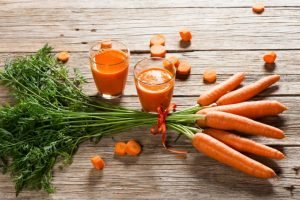
1. Beta carotene: Carrots are a rich source of this powerful antioxidant, which, among other vital uses, ..
-

Tinnitus in the ear can occur due to ear infections, various infections, perforation of the eardrum, ..
-
Comments Off on Pregnancy Calendar – Week 5 of Your Pregnancy

5-week pregnancy “Pregnancy calendar” at week 5: Your baby’s brain is developing. You may feel ..
-
Comments Off on Pregnancy Calendar – Week 4 of Your Pregnancy

4 weeks pregnancy “Pregnancy calendar” at 4th week: A miracle begins! Your baby, now consisting ..
-

Natural ways to lower blood pressure without medication
High blood pressure, also called hypertension, often develops quietly. Many people feel perfectly well while pressure inside the arteries remains higher than is healthy. Over time, untreated hypertension can strain the heart and blood vessels and increase the risk of stroke, kidney disease, vision problems, and cognitive decline.
Lifestyle changes can support healthier blood pressure and may reduce the need for medication in some people. They are most effective when practiced consistently rather than treated as a short detox or quick fix. Anyone already taking blood pressure medicine should speak with a healthcare professional before changing treatment, because sudden adjustments can be unsafe.
Natural approaches work best as part of an overall plan that includes home monitoring, nutritious food, regular movement, restorative sleep, and appropriate medical care. These steps can help lower systolic and diastolic readings while improving cardiovascular health in general.
Understand your blood pressure pattern
Blood pressure is recorded as two numbers. The systolic number measures the force against artery walls when the heart beats, while the diastolic number reflects pressure between beats. A single high reading does not always mean that someone has chronic hypertension. Stress, caffeine, pain, exercise, and an incorrect cuff size can temporarily raise the result.
For a clearer picture, measure at roughly the same time on several days. Sit quietly for five minutes, keep both feet on the floor, support the arm at heart level, and avoid talking during the reading. Take two measurements about one minute apart and record both. An upper-arm monitor that has been validated for accuracy is generally more reliable than a wrist device.
Very high readings accompanied by chest pain, severe shortness of breath, weakness, confusion, fainting, or difficulty speaking require urgent medical attention. Lifestyle changes are valuable, but they should not delay emergency care or replace prescribed treatment when it is needed.
Build meals around whole foods
The Dietary Approaches to Stop Hypertension, commonly called the DASH eating pattern, is one of the best-studied approaches for lowering blood pressure. It emphasizes vegetables, fruit, beans, lentils, whole grains, nuts, seeds, fish, and low-fat dairy products. These foods provide potassium, magnesium, calcium, fiber, and antioxidants that support blood vessel function.
Try filling about half of a meal plate with vegetables or salad, then adding a source of protein and a serving of whole grains or starchy vegetables. Leafy greens, tomatoes, berries, citrus fruit, beans, oats, and unsalted nuts are useful choices. Replacing processed meat, packaged snacks, and refined sweets with minimally processed foods can improve both blood pressure and blood sugar control.
Salt deserves particular attention. Much of the sodium in a typical diet comes from bread, canned soups, sauces, ready meals, deli meats, and restaurant food rather than the salt shaker. Compare labels, choose “no salt added” products when available, rinse canned beans and vegetables, and season food with garlic, lemon, vinegar, herbs, or spices. A gradual reduction is often easier to maintain than trying to remove every trace of salt immediately.
Increase potassium with care
Potassium helps balance the effects of sodium and assists the muscles and blood vessels in functioning properly. Foods such as bananas, oranges, potatoes, sweet potatoes, beans, lentils, spinach, yogurt, and avocados can contribute to a potassium-rich eating pattern. Getting potassium from food is usually preferable to taking supplements without professional guidance.
Potassium is not suitable for everyone in large amounts. People with kidney disease, certain heart conditions, or medicines that affect potassium levels may develop dangerous elevations. Those taking some diuretics, ACE inhibitors, angiotensin receptor blockers, or potassium-sparing medicines should ask a clinician before deliberately increasing potassium or using salt substitutes made with potassium chloride.
Herbal remedies also need careful consideration. Some products marketed for circulation or blood pressure have limited evidence, inconsistent strength, or interactions with prescription drugs. Licorice root, for example, can raise blood pressure and disturb potassium levels. “Natural” does not automatically mean gentle or safe, especially during pregnancy, breastfeeding, or treatment for a chronic illness.
Lifestyle approach How it may help Practical starting point Reduce sodium Decreases fluid retention and vascular strain Compare labels and cook more meals at home Eat more potassium-rich foods Helps balance sodium and support vessel relaxation Add beans, leafy greens, fruit, or yogurt Follow a DASH-style pattern Supplies fiber and minerals while limiting processed foods Build meals around vegetables, whole grains, and lean protein Exercise regularly Improves heart efficiency and blood vessel flexibility Begin with brisk walking for short, consistent sessions Improve sleep Supports healthy nervous system and hormone regulation Keep a regular sleep and wake schedule Limit alcohol and stop smoking Reduces pressure and cardiovascular stress Seek professional support for smoking cessation Move, sleep, and calm the nervous system
Regular aerobic activity can lower resting blood pressure by helping the heart pump more efficiently. Brisk walking, cycling, swimming, dancing, and water exercise are accessible options for many adults. A reasonable goal is about 150 minutes of moderate activity each week, along with muscle-strengthening exercises on two days, but people who are inactive can begin with five- or ten-minute sessions.
Movement does not have to happen in a gym. Walking after meals, using stairs, gardening, or taking active breaks during desk work can add up. Increase duration and intensity gradually, especially if you have been sedentary or have heart, joint, or breathing problems. Stop and seek medical guidance for unusual chest discomfort, severe breathlessness, dizziness, or palpitations during exercise.
Sleep affects the hormones and nervous system mechanisms that regulate blood pressure. Most adults benefit from seven to nine hours of consistent sleep, although individual needs vary. Keep the bedroom dark and cool, reduce late-night screen use, and avoid heavy meals or alcohol close to bedtime. Loud snoring, witnessed pauses in breathing, morning headaches, and severe daytime sleepiness may indicate sleep apnea, which deserves medical assessment.
Stress reduction can complement these habits. Slow breathing, mindfulness, prayer, gentle yoga, stretching, time outdoors, and supportive social contact may reduce the temporary pressure surges associated with stress. A simple breathing practice is to inhale comfortably for four seconds and exhale for six seconds for five minutes, stopping if it causes lightheadedness.
Reduce the habits that raise pressure
Alcohol can increase blood pressure, especially when consumed regularly or in larger amounts. Limiting intake is healthier than relying on alcohol for relaxation. Some people benefit from avoiding it altogether, particularly those with liver disease, medication interactions, a history of addiction, or difficulty keeping servings moderate.
Smoking and nicotine temporarily constrict blood vessels and increase cardiovascular strain. Quitting is one of the most important steps for protecting the heart, even if blood pressure does not normalize immediately. Counseling, quit lines, nicotine replacement, and approved medicines can improve the likelihood of success. Avoiding tobacco smoke in the home also helps reduce exposure for family members.
Caffeine affects people differently. Coffee, energy drinks, and strong tea may cause a short-lived rise in blood pressure. If readings seem higher after caffeine, check pressure before and 30 to 120 minutes after a caffeinated drink on several occasions. Energy drinks deserve special caution because they may combine high caffeine with stimulants and large amounts of sugar.
Certain over-the-counter products can also increase blood pressure. Decongestants containing pseudoephedrine or phenylephrine, some anti-inflammatory pain medicines, stimulant supplements, and a few hormonal treatments may be contributing factors. Review regular products with a pharmacist rather than stopping a prescribed medicine independently. Readers who need to report a health-content concern can use the site’s contact information.
Track progress and work with a clinician
Home readings help show whether lifestyle changes are making a meaningful difference. Keep a record of the date, time, reading, pulse, and relevant details such as poor sleep, stress, exercise, or caffeine. Looking at weekly averages is more useful than reacting to one unusually high or low number.
Weight reduction can lower blood pressure for people who carry excess weight, but the goal should be gradual and sustainable. Even a modest reduction may help improve blood vessel health, sleep apnea, blood sugar, and cholesterol. Focus on regular meals, fiber-rich foods, portion awareness, and movement rather than extreme fasting or unverified cleansing programs.
Arrange routine medical reviews if readings remain elevated despite consistent lifestyle changes. A clinician can check for kidney disease, thyroid problems, sleep apnea, medication effects, or other causes of resistant hypertension. They can also decide whether medication is needed temporarily or long term. Prescribed treatment and healthy habits work together; lifestyle changes should never be used as a reason to discontinue medicine without supervision.
Create a routine you can maintain
The most effective plan is one that fits ordinary life. Prepare a few low-sodium meals in advance, keep fruit and unsalted nuts available, and choose walking routes that are convenient rather than ambitious. Small changes repeated every day can have a greater effect than a demanding plan followed for only a week.
Use the following habits as a simple starting framework:
- Check your blood pressure correctly several times a week and keep a written record.
- Include vegetables or fruit at every meal and choose beans, fish, poultry, eggs, or unsalted nuts for protein.
- Walk or perform another moderate activity most days, increasing time gradually.
- Protect a regular sleep schedule and practice five minutes of slow breathing when stress rises.
- Limit processed foods, excess alcohol, nicotine, energy drinks, and unverified herbal supplements.
Give each change time to become familiar before adding another. Blood pressure may improve within weeks, but the pace varies according to genetics, age, current health, and medication use. If the numbers remain high, professional evaluation is the safest next step.
Begin with one manageable action today: replace a processed snack, take a short walk, or record a properly measured reading. Build from there, share your results with a qualified healthcare professional, and use consistent lifestyle habits to support healthier blood pressure over the long term.
-
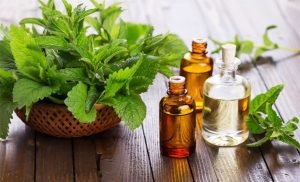
Tea Tree Essential Oil Tea tree oil is often referred to as “medicine cabinet in a bottle,” as it’s ..
-

13 surprising home remedies for acid reflux Before you reach for the heavy-duty, prescription-strength ..
-

Great Burdock The root is used to treat ‘toxic overload’ that result in throat infections and skin ..