
-

1. Apples Are Nutritious A medium apple is equal to 1.5 cups of fruit. Two cups of fruit daily are recommended ..
-

1.Bananas help overcome depression due to high levels of tryptophan, which is converted into serotonin ..
-

1. Beta carotene: Carrots are a rich source of this powerful antioxidant, which, among other vital uses, ..
-

Tinnitus in the ear can occur due to ear infections, various infections, perforation of the eardrum, ..
-
Comments Off on Pregnancy Calendar – Week 5 of Your Pregnancy

5-week pregnancy “Pregnancy calendar” at week 5: Your baby’s brain is developing. You may feel ..
-
Comments Off on Pregnancy Calendar – Week 4 of Your Pregnancy

4 weeks pregnancy “Pregnancy calendar” at 4th week: A miracle begins! Your baby, now consisting ..
-

Natural Ways to Ease Anxiety Without Prescription Medications
Anxiety has become a familiar companion for many Australians, with figures released by the Australian Bureau of Statistics suggesting roughly one in five adults experience high or very high psychological distress each year. In cities like Sydney, Melbourne, Brisbane and Perth, long commutes, demanding work cultures, and the steady hum of digital connectivity have made nervous tension feel almost routine.
Many people seek calmer states through lifestyle changes before considering pharmaceutical options, particularly given that the Pharmaceutical Benefits Scheme only subsidises certain medications under specific clinical conditions. This article explores evidence-informed, drug-free strategies you can weave into daily life, from herbal preparations used by Aboriginal communities for centuries to modern breathwork techniques taught in studios from Adelaide to Cairns.
Movement, Sunshine and the Australian Outdoors
Physical activity remains one of the most reliable, low-cost ways to dial down feelings of anxiety. Exercise stimulates the release of endorphins and brain-derived neurotrophic factor, both of which help regulate mood and resilience to stress. Australian outdoor culture offers a natural advantage: the climate invites year-round movement, and the landscape is woven into recreational life.
Walking the coastal track from Bondi to Coogee in Sydney, swimming laps at a tropical beach in North Queensland, or cycling along Melbourne's Capital City Trail are pursuits that quietly double as anxiety management. Many Australians incorporate what locals simply call "a walk along the river" into their evenings, particularly along Brisbane's South Bank or Perth's Swan River, where easy pathways make consistent practice realistic. Even gardening, which gained enormous popularity during pandemic lockdowns, has been shown in studies to lower cortisol and lift mood.
Bushwalking clubs meet weekly in the Blue Mountains, the Grampians, and Tasmania's Overland Track corridor, offering both cardiovascular exercise and the documented calming effect of green spaces. Combining gentle movement with natural environments appears to amplify the benefits, giving people a sense of perspective that screen-bound indoor life rarely provides. After a morning hike, many find that intrusive thoughts feel smaller and easier to dismiss.
Nourishing the Gut-Brain Connection
What you eat influences how you feel, and research into the gut-brain axis has grown dramatically in recent years. Australians are increasingly turning to whole, locally sourced foods to support mental health, with farmers' markets in places like Adelaide Central Market and Brisbane's Jan Powers Farmers Markets offering produce that nourishes both body and microbiome in a single trip.
Fibre-rich vegetables, fermented foods, and omega-3 fatty acids all play roles in maintaining a healthy gut environment, which in turn influences neurotransmitter production. Traditional Australian bush foods are also gaining recognition in this space. Lemon myrtle, finger lime, and Kakadu plum — the latter being the world's richest natural source of vitamin C — are now appearing in cafes from Byron Bay to Fremantle, where chefs incorporate them into dishes designed with wellbeing in mind.
Limiting ultra-processed snacks, excess caffeine, and alcohol can also make a measurable difference. While a flat white is part of social life in Melbourne's laneways, swapping a second morning coffee for herbal tea after lunch tends to steady heart rate and reduces jitteriness. A diet centred on vegetables, fruit, whole grains, oily fish, nuts, and legumes tends to support steadier energy and fewer anxiety spikes throughout the day.
Herbal Allies and Traditional Preparations
Herbal medicine has deep roots in Australia, from the medicinal plant knowledge of First Nations peoples to the early European settlers who relied on chamomile, valerian, and passionflower. Today, these plants are widely available in health food stores from Newtown to Noosa, often in tincture, capsule, or tea form.
Lemon balm, magnesium-rich dark chocolate, and ashwagandha are popular choices among people looking to soften anxious feelings without medication. Lavender, whether used as an essential oil in a diffuser or sipped as a tea, has been studied for its calming properties, and Tasmanian lavender farms have turned it into a thriving export industry. Similarly, passionflower has shown promise in clinical trials for mild generalised anxiety, particularly when taken as a standardised extract.
If you are considering herbal remedies, it is worth discussing them with your GP, especially if you take other supplements or medications. Many Australian naturopaths work alongside general practitioners, offering integrative care that respects both traditional knowledge and modern evidence. For readers who want to share their own experiences or ask questions, the editorial team can be reached through https://healthylifelive.org/cdn-cgi/l/email-protection.
Breathwork, Mindfulness and Nervous System Regulation
Slow, deliberate breathing sends a direct signal to the vagus nerve, telling the body it is safe enough to relax. This physiological mechanism is why breathwork has shifted from peripheral practice into mainstream Australian workplaces, with corporate wellness programs in Sydney's CBD and Canberra's public service regularly offering lunchtime sessions.
Box breathing, the 4-7-8 method, and coherent breathing at roughly six breaths per minute are simple techniques that can be practised anywhere, from a packed commuter train to a busy café in Surry Hills. Mindfulness meditation, formalised in programs such as Mindfulness-Based Stress Reduction, has been researched extensively and consistently shows modest reductions in self-reported anxiety scores.
Apps developed in Australia, including some designed in collaboration with university researchers, make guided practice accessible. Even ten minutes each morning, ideally before checking email or news, can shift the baseline of nervous system arousal across the day. Many practitioners pair breathwork with gentle stretching or journaling to anchor the practice and notice progress over time.
Sleep, Rhythm and the Body Clock
Sleep and anxiety share a two-way relationship: poor sleep fuels anxious thoughts, while anxiety disrupts sleep. Restoring a steady rhythm is therefore a cornerstone of any natural approach. Australian sleep experts often recommend keeping wake and sleep times consistent, even on weekends, to stabilise circadian hormones.
Morning light exposure is particularly valuable in a country as sunny as Australia, where stepping onto a verandah in Adelaide, walking the dog in suburban Melbourne, or having breakfast on a Hobart deck can deliver bright light to the eyes and reinforce the sleep-wake cycle. Reducing screen use in the hour before bed, keeping the bedroom cool, and limiting evening alcohol all support deeper rest.
Magnesium glycinate taken in the evening, alongside a warm shower and dim lighting, is a combination that many Australians rely on for easing the racing thoughts that often accompany bedtime. If sleep difficulties persist for more than a few weeks, speaking with a healthcare professional is a sensible next step rather than continuing to struggle alone.
Connection, Community and Reducing Stigma
Humans are social beings, and loneliness is a well-documented driver of anxiety. Australians have a culture of informal connection — a chat with the barista in Collingwood, a volunteer shift at a local Surf Life Saving club, a Sunday barbecue with neighbours — that quietly supports mental wellbeing without anyone labelling it therapy.
Community gardens have multiplied in suburbs from Marrickville to Subiaco, where people of all backgrounds grow food together and reduce isolation in the process. Men's sheds, an Australian movement that began in the 1980s, offer practical activity alongside camaraderie, and many members report lower stress levels as a result of regular attendance. Joining a book club, a community choir, or a local sporting club brings consistent social contact that helps buffer the nervous system against daily pressures.
Reducing stigma around anxiety is just as important as the individual strategies themselves. Talking openly with friends, family, or a counsellor normalises the experience and reminds people they are not alone. Beyond Blue and Lifeline are two Australian services offering free support, alongside the national mental health platform Head to Health, which connects people with local providers. Pairing these resources with the lifestyle practices described above gives a well-rounded, medication-free foundation for calmer days.
Everyday Habits Worth Keeping
- Begin each morning with five minutes of slow breathing before reaching for a screen.
- Walk or cycle outdoors at least three times a week, ideally in green or blue space.
- Add one fermented food daily, such as natural yoghurt, kefir, or locally made kimchi.
- Replace the late afternoon coffee with lemon balm, chamomile, or passionflower tea.
- Keep bedtime consistent and dim lights an hour before sleep to anchor your body clock.
- Reach out to one person each week for a genuine, unhurried conversation.
-
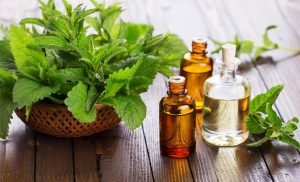
Tea Tree Essential Oil Tea tree oil is often referred to as “medicine cabinet in a bottle,” as it’s ..
-

13 surprising home remedies for acid reflux Before you reach for the heavy-duty, prescription-strength ..
-
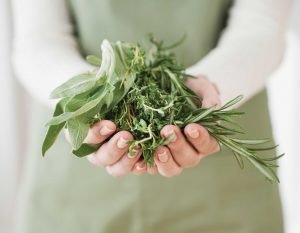
Great Burdock The root is used to treat ‘toxic overload’ that result in throat infections and skin ..