
-

1. Apples Are Nutritious A medium apple is equal to 1.5 cups of fruit. Two cups of fruit daily are recommended ..
-

1.Bananas help overcome depression due to high levels of tryptophan, which is converted into serotonin ..
-
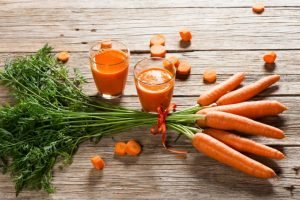
1. Beta carotene: Carrots are a rich source of this powerful antioxidant, which, among other vital uses, ..
-

Tinnitus in the ear can occur due to ear infections, various infections, perforation of the eardrum, ..
-
Comments Off on Pregnancy Calendar – Week 5 of Your Pregnancy

5-week pregnancy “Pregnancy calendar” at week 5: Your baby’s brain is developing. You may feel ..
-
Comments Off on Pregnancy Calendar – Week 4 of Your Pregnancy

4 weeks pregnancy “Pregnancy calendar” at 4th week: A miracle begins! Your baby, now consisting ..
-

Pregnancy week 10: what to expect and eat
Pregnancy week 10 marks an important point in early pregnancy. Your baby is now medically described as a fetus rather than an embryo, although the major organs and body systems are still developing rapidly. At around 3 centimetres from crown to rump, the fetus is often compared with a small strawberry, but measurements vary according to dating and the type of scan used.
You may be dealing with nausea, tiredness, tender breasts, bloating, constipation, headaches or frequent urination. Some people feel noticeably better by this stage, while others have intense morning sickness that continues throughout the first trimester. Food choices should support steady energy and healthy development, but there is no need for an expensive or complicated pregnancy diet.
How your baby is developing
By 10 weeks, the basic structure of the heart, brain, spinal cord, limbs and internal organs is in place. The heart is beating, fingers and toes are becoming more distinct, and facial features are taking shape. Small movements may occur, although they are far too subtle for you to feel. The placenta is developing its role in supplying oxygen and nutrients and removing waste.
Pregnancy dating is usually calculated from the first day of your last menstrual period, so week 10 is about eight weeks after conception. Ovulation does not happen on exactly the same day for everyone, which means an ultrasound may adjust the estimated due date. In Australia, many people have an early dating scan through a GP referral, particularly when dates are uncertain, there has been bleeding, or a previous pregnancy involved complications.
Your uterus is growing, though you may not have a visible bump yet. Waistbands can feel tight because of bloating rather than the size of the fetus. Mild pulling sensations at the sides of the lower abdomen can occur as supporting ligaments stretch, but severe, persistent or one-sided pain should be assessed promptly.
Common symptoms and everyday comfort
Nausea and vomiting are among the most familiar first-trimester symptoms. An empty stomach can make queasiness worse, so try small portions every two or three hours. Plain toast, crackers, rice, yoghurt, fruit, soup and sandwiches may be easier to manage than a large meal. Cold foods sometimes cause less nausea than hot meals because they produce fewer cooking smells.
Keep a water bottle nearby and take frequent sips. In warmer parts of Australia, including Brisbane, Darwin and regional Queensland, heat can increase dehydration and fatigue. Water, milk and oral rehydration fluids recommended by a healthcare professional can help, while very sugary drinks are best kept occasional. Pale urine is generally a useful sign that fluid intake is adequate, although it is not a diagnostic test.
Constipation may result from hormonal changes, reduced activity, iron supplements or changes in eating patterns. Fibre from oats, wholegrain bread, lentils, vegetables, pears, kiwifruit and prunes can help, as can gentle walking. Increase fibre gradually and drink enough fluid. Speak with a pharmacist, midwife or doctor before taking laxatives or herbal products, since “natural” does not automatically mean suitable during pregnancy.
Fatigue is also normal because progesterone rises and the body is building the placenta. Rest when possible, use safe lifting techniques and accept practical help. Light activity such as walking, swimming or pregnancy-appropriate strength exercises is usually beneficial when your maternity care provider has not advised restrictions.
Nutrients that deserve attention now
Folate remains a priority during early pregnancy because it supports the development of the neural tube. Australian guidance commonly recommends a daily folic acid supplement before conception and during the first 12 weeks, with a higher dose for some people at increased risk. The appropriate dose depends on medical history, medicines and conditions such as diabetes, so check with your GP rather than doubling up on supplements.
Iodine helps support thyroid function and fetal brain development. Iodised salt, dairy foods, eggs and seafood can contribute, but salt should not be added freely simply to increase iodine intake. Iron is needed for expanding blood volume and oxygen transport. Good sources include lean red meat, chicken, legumes, tofu, iron-fortified cereals and dark leafy vegetables. Pairing plant sources with vitamin C-rich foods such as capsicum, oranges or berries can improve absorption.
Choline, calcium, vitamin D and omega-3 fats also contribute to a balanced pregnancy eating pattern. Eggs, dairy products, beans, fish, nuts and seeds can be useful choices. Two servings of low-mercury fish each week may provide valuable omega-3 fats. Follow Australian Department of Health advice about fish species and serving limits, especially for shark, orange roughy, king mackerel, marlin and other fish that can contain more mercury.
A prenatal multivitamin can be useful when nausea or dietary restrictions make meals inconsistent, but supplements are not interchangeable. Avoid high-dose vitamin A in the form of retinol unless specifically prescribed, and tell your clinician about every tablet, powder, tea or herbal remedy you use. Products bought online may not have the same quality controls or ingredient information as medicines supplied through Australian pharmacies.
Food safety and practical meal choices
Food safety matters because pregnancy changes the immune response and increases the consequences of infections such as listeriosis. Food Standards Australia New Zealand provides advice about refrigeration, hygiene and high-risk foods. Wash fruit and vegetables, keep raw meat separate from ready-to-eat food, refrigerate perishable groceries quickly and follow use-by dates.
Avoid raw or undercooked meat, chicken, seafood and eggs. Choose pasteurised milk and cheese, and take care with soft cheeses unless the label confirms they are made with pasteurised milk and they have been stored correctly. Cold deli meats, pâté and ready-to-eat poultry are safer when reheated until steaming hot. These precautions can be especially relevant when buying sandwiches at work in Sydney, Melbourne or Canberra, where chilled ready-made meals are common.
A simple Australian supermarket shop might include wholegrain bread, oats, eggs, Greek yoghurt, canned salmon, chickpeas, frozen vegetables, bananas, avocado and a bag of salad leaves. Farmers’ market produce can also fit well into pregnancy meals, provided it is washed thoroughly and stored safely. Frozen fruit and vegetables are nutritious alternatives when nausea, cost or limited energy makes frequent shopping difficult.
Caffeine is best kept within the pregnancy limit recommended by Australian health authorities, generally no more than 200 milligrams daily. Remember that caffeine comes from coffee, tea, cola, energy drinks, chocolate and some supplements. A café flat white, instant coffee and strong tea can vary considerably in caffeine, so check serving sizes rather than assuming every cup is the same.
Appointments, screening and personal support
The first antenatal appointment may cover your medical history, blood pressure, weight, urine, blood tests, medication review and vaccination advice. Your care may be organised through a GP, private obstetrician, public hospital, midwife-led service or shared-care arrangement. In Australia, the pathway and out-of-pocket costs differ between states, territories and providers, so ask early which scans and appointments are covered by Medicare and which may attract a fee.
Non-invasive prenatal testing, often called NIPT, can usually be performed from 10 weeks through a blood test. It screens for the likelihood of certain chromosomal conditions but does not diagnose them. NIPT is generally not covered by Medicare, although prices and eligibility can vary. The 12-week ultrasound may assess early anatomy and nuchal translucency when requested as part of screening. Your clinician can explain how these options fit together and what a result would mean.
Nutrition can become harder when vomiting, food aversions or work schedules interfere with meals. The following practical habits can protect intake without demanding perfection:
Helpful habits for the first trimester
- Keep plain crackers, dry cereal or a piece of toast beside the bed and eat a little before standing.
- Combine carbohydrates with protein, such as wholegrain toast with egg, yoghurt with oats, or crackers with hummus.
- Carry safe snacks in a cooler bag when commuting or working away from home.
- Choose pasteurised dairy, well-cooked proteins and washed produce when eating at cafés or food courts.
- Take prenatal supplements at the time of day when nausea is least troublesome, unless your clinician gives different instructions.
- Limit high-mercury fish, alcohol and energy drinks, and check herbal products before using them.
- Record foods and fluids that stay down during difficult days so your healthcare provider can assess your intake accurately.
Emotional wellbeing deserves attention as well. Pregnancy can bring anxiety about miscarriage, screening results, finances or changes to work and family life. In Australia, a GP or midwife can discuss support options, including perinatal mental health services. Persistent sadness, panic, frightening intrusive thoughts or loss of interest in daily activities should be raised promptly rather than dismissed as ordinary pregnancy symptoms.
When symptoms need medical attention
Seek urgent medical advice for heavy bleeding, severe abdominal or pelvic pain, fainting, shoulder-tip pain, fever, or pain that is strongly focused on one side. These symptoms can have several causes, including conditions that require prompt assessment. Call emergency services on 000 for collapse, severe breathing difficulty or life-threatening symptoms.
Frequent vomiting also needs attention when you cannot keep fluids down, pass very little urine, feel dizzy when standing, lose weight or notice signs of dehydration. Hyperemesis gravidarum is more serious than typical morning sickness and can require prescription treatment, intravenous fluids or hospital care. Safe anti-nausea medicines are available, but they should be selected with a doctor, midwife or pharmacist.
Contact your maternity provider about urinary burning, unusual discharge, a rash, severe headache, visual changes or a fever. Keep a record of symptoms, medications and the amount you are drinking, as this can make an assessment faster. If you need to check an editorial or health-information matter with the publisher, use the listed contact details rather than relying on medical advice from an online article.
At 10 weeks, the most useful approach is steady nourishment, sensible food safety, adequate fluids and appropriate antenatal care. Appetite and symptoms can change from day to day, so a few manageable meals may be more realistic than aiming for a perfect menu. Your GP, midwife or obstetrician can tailor supplement doses, screening choices and treatment to your medical history.
-

Tea Tree Essential Oil Tea tree oil is often referred to as “medicine cabinet in a bottle,” as it’s ..
-

13 surprising home remedies for acid reflux Before you reach for the heavy-duty, prescription-strength ..
-

Great Burdock The root is used to treat ‘toxic overload’ that result in throat infections and skin ..