
-

1. Apples Are Nutritious A medium apple is equal to 1.5 cups of fruit. Two cups of fruit daily are recommended ..
-

1.Bananas help overcome depression due to high levels of tryptophan, which is converted into serotonin ..
-
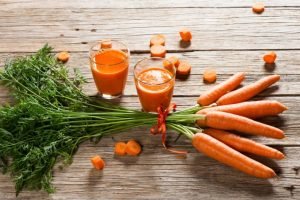
1. Beta carotene: Carrots are a rich source of this powerful antioxidant, which, among other vital uses, ..
-

Tinnitus in the ear can occur due to ear infections, various infections, perforation of the eardrum, ..
-
Comments Off on Pregnancy Calendar – Week 5 of Your Pregnancy

5-week pregnancy “Pregnancy calendar” at week 5: Your baby’s brain is developing. You may feel ..
-
Comments Off on Pregnancy Calendar – Week 4 of Your Pregnancy

4 weeks pregnancy “Pregnancy calendar” at 4th week: A miracle begins! Your baby, now consisting ..
-

Pregnancy week 18: fetal movements and nutritional milestones
During pregnancy week 18, many parents may be noticing the first subtle flutters of fetal movement, while others still feel nothing. Timing varies widely, particularly in a first pregnancy, so the absence of a quickening at this point does not by itself indicate a problem. The baby is roughly 18–20 cm long from head to heel and may weigh about 140–190 g, with muscles, lungs, digestive organs and sensory connections continuing to mature.
Nutrition now shifts from establishing a healthy pattern to maintaining steady energy and enough protein, iron, folate, iodine, calcium, vitamin D and omega-3 fats. In Australia, a GP, midwife or obstetrician can individualise supplements and monitoring, while public maternity care, Medicare and private health rebates shape how families access services. No single food or supplement replaces a varied diet and good antenatal care.
Development at the halfway point
At 18 weeks, the fetal skeleton is strengthening as cartilage gradually changes into bone. The lungs are branching and developing, the liver and digestive system are maturing, and nerve pathways between the brain and body are becoming more organised. These processes support the bursts of movement that may be visible on ultrasound, even when the pregnant parent cannot yet feel them clearly.
A second-trimester anatomy scan is commonly offered in Australia from about 18 to 22 weeks, although timing depends on the clinic, health service and local pathway. It checks the baby’s head, spine, heart, limbs, abdominal wall and placenta, and sometimes shows movement. The scan estimates growth and development but does not assess every aspect of health or predict how active the baby will be after birth.
Measurements at this age have wide normal ranges because growth and developmental pace differ. An ultrasound dating scan performed earlier is usually more accurate for estimating the due date than a later growth measurement. Parents should interpret individual numbers with their clinician rather than comparing a home estimate with the size of fruit or another baby, especially when the pregnancy has reached the point where small dating differences matter.
First movements and changing sensations
Quickening, the first awareness of fetal movement, usually appears between 16 and 24 weeks. People carrying a first baby often recognise it around 20–24 weeks, while those who have been pregnant before may recognise movement as early as 16–18 weeks. Fat, placental position and the baby’s position can all affect how strongly movements are felt, so later detection is common and does not automatically mean that the baby is moving less.
Early movement is often described as a flutter, tapping, rolling or swirling sensation rather than a distinct kick. It may be confused with gas, especially if the movements are irregular. The placenta can cushion sharper movements near the front of the abdomen, while a foot or hand may create a brief tapping feeling. These sensations need not follow a predictable schedule at 18 weeks, and comparing them with another pregnancy’s pattern can create unnecessary concern.
Formal daily fetal movement counting is generally introduced closer to 28 weeks, once movements have become more established, rather than during the early second trimester. If a regular pattern has already developed, a marked reduction or sudden change should be reported promptly to a midwife, GP or maternity unit without waiting for the next appointment. At 18 weeks, however, long quiet periods remain normal; a parent who is worried about fetal wellbeing should contact their maternity clinician for individual advice.
Nutritional milestones for growth and brain health
Energy requirements increase modestly during the second trimester, so most needs are met through regular meals and snacks rather than large portions. A practical plate can include a protein-rich food, vegetables or salad, a high-fibre carbohydrate and a source of unsaturated fat. Fibre, fluid and gentle movement help with the constipation common in pregnancy, while small, frequent meals may be easier to manage when nausea or reflux continues.
Several nutrients deserve particular attention. Common Australian pregnancy reference amounts include 27 mg of iron, 400 micrograms of folic acid, 150 micrograms of iodine and about 200 mg of DHA per day, with approximately 1,000 mg of calcium also important. Iron supports increased blood volume, iodine supports thyroid function and fetal brain development, and DHA contributes to brain and eye development. Vitamin D and choline are also relevant, especially where sunlight exposure or dietary variety is limited.
Supplements should reflect what the diet, blood tests and pregnancy history already provide. A standard prenatal product commonly supplies folic acid and iodine in Australia, but higher doses may be appropriate for some people. More is not automatically better: excess iodine from kelp or supplements can disturb thyroid function, and high preformed vitamin A, including frequent consumption of liver, can be harmful in pregnancy. Food safety also matters, so unpasteurised dairy, raw eggs and undercooked meat or fish are best avoided. For additional background, parents can consult a pregnancy nutrition guide while keeping individual advice from their care team central.
Eating well in the Australian context
Australia’s food markets make many useful foundations accessible: lean lamb, beef, chicken, fish, lentils, chickpeas, tofu, dairy products, fortified bread and a broad range of vegetables. Seasonal produce changes across the country, from cooler southern winters to the year-round availability of tropical fruit in northern regions. In Sydney, Melbourne, Brisbane, Adelaide or Perth, fresh produce is usually easy to find, while regional and remote families may rely more on transportable foods and supplements.
The supplement aisle is another familiar part of Australian prenatal care. Many products marketed for pregnancy contain 400 micrograms of folic acid and 150 micrograms of iodine, but labels and formulations vary. A pharmacist can compare the dose with prescribed iron, existing supplements and dietary intake. Iodised salt, eggs and dairy can contribute iodine, although relying on salt alone is unpredictable. Families in Australian slang may call the baby their “bub”, but antenatal terms such as GP, midwife and ultrasound remain widely understood across the country.
Useful nutrition anchors include:
- Iron: red meat, chicken, beans and lentils pair well with citrus, capsicum or tomatoes for vitamin C.
- Folate: leafy greens, asparagus, broccoli, beans and fortified grains complement the prenatal supplement.
- Iodine and calcium: dairy, eggs and tofu supply useful amounts, while seaweed and kelp should be limited unless advised.
- Vitamin D: fortified dairy or plant alternatives, eggs and suitable sunlight exposure can support intake.
- Omega-3 fats: oily fish such as salmon or sardines, eggs, walnuts and chia seeds add DHA or ALA.
Access to care varies by location and insurance. Public maternity services are generally reached through the Medicare system, whereas private obstetric care usually involves private health insurance rebates and a GP referral. Continuity-of-care midwife programs are available in many areas but vary between states and services. Outside major cities, distance to a birth unit can affect appointment planning, making telehealth and locally coordinated antenatal care particularly valuable.
A practical checklist for week 18
A comfortable week 18 routine is usually built around regular meals, adequate fluids, sleep when possible and gentle activity approved by the care team. Movement can be enjoyed as it becomes noticeable without trying to force a daily total. Keeping the anatomy scan, supplement reviews and routine antenatal visits organised helps reduce last-minute decisions, while flexible snacks and hydration are practical for long workdays or travel.
A simple care checklist can keep the essentials visible:
- Review prenatal supplements, prescribed iron and any dietary restrictions with the GP, midwife or pharmacist.
- Keep the second-trimester anatomy scan appointment and ask the service what preparation is required.
- Note movement as it happens, without expecting a fixed pattern or comparing it with another pregnancy.
- Plan regular meals and snacks that include protein, fibre and fluids instead of relying on unplanned grazing.
- Balance rest with pregnancy-safe activity, adjusting intensity according to the care team’s advice.
- Seek urgent care for heavy bleeding, severe abdominal pain, leaking fluid, fever, or a severe headache with visual changes.
The fetal movements seen and felt around 18 weeks mark a developing pattern rather than a finished one. Nutritional needs are also cumulative: steady iron, iodine, protein, calcium and omega-3 intake now supports the rapid growth occurring before the third trimester. With the Australian health team guiding individual testing and supplementation, the stage can be approached as one of gradual progress and increasingly noticeable connection.
-

Tea Tree Essential Oil Tea tree oil is often referred to as “medicine cabinet in a bottle,” as it’s ..
-

13 surprising home remedies for acid reflux Before you reach for the heavy-duty, prescription-strength ..
-

Great Burdock The root is used to treat ‘toxic overload’ that result in throat infections and skin ..