
-

1. Apples Are Nutritious A medium apple is equal to 1.5 cups of fruit. Two cups of fruit daily are recommended ..
-

1.Bananas help overcome depression due to high levels of tryptophan, which is converted into serotonin ..
-
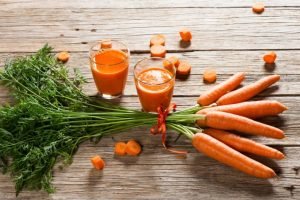
1. Beta carotene: Carrots are a rich source of this powerful antioxidant, which, among other vital uses, ..
-

Tinnitus in the ear can occur due to ear infections, various infections, perforation of the eardrum, ..
-
Comments Off on Pregnancy Calendar – Week 5 of Your Pregnancy

5-week pregnancy “Pregnancy calendar” at week 5: Your baby’s brain is developing. You may feel ..
-
Comments Off on Pregnancy Calendar – Week 4 of Your Pregnancy

4 weeks pregnancy “Pregnancy calendar” at 4th week: A miracle begins! Your baby, now consisting ..
-

Pregnancy week 20: anatomy scan prep and iron-rich foods
Pregnancy week 20 often falls in the window for the mid-pregnancy anatomy scan, commonly booked between 18 and 22 weeks. The ultrasound creates detailed images of the foetus and checks how the placenta, amniotic fluid and surrounding pregnancy structures are developing. It is not an X-ray and uses sound waves. The appointment gives many families their first broad view of the baby’s face, limbs, movement, heart and internal organs.
The appointment itself is usually quicker than a first-trimester screening scan, but crowded waiting rooms and uncertain bladder instructions can make preparation feel awkward. Clinic policies vary, particularly in Sydney, Melbourne, Brisbane, Adelaide and Perth, where scans may occur in public services or private imaging centres. Some clinics request a full bladder, while others prefer an empty one. Taking control of hydration only after receiving the clinic’s instructions avoids arriving with the wrong preparation.
Nutrition at this stage supports the mother’s expanding blood volume and the foetus’s developing organs. Iron is especially important because it helps make haemoglobin, the protein that carries oxygen, and supports placental development. An Australian dietary reference intake for iron during pregnancy is 27 milligrams a day, although needs differ with diet, health and previous iron status. Food-first planning is useful, while some pregnancies still need a supplement or prescribed treatment for iron deficiency.
Menu choices also need to fit ordinary Australian life: an early breakfast before work, long drives, lunches bought near a shopping centre and dinner eaten late after a shift. This article brings the anatomy scan, iron-rich meals and follow-up blood tests together as connected decisions. It offers general information, and individual instructions should come from an obstetrician, midwife, general practitioner or qualified dietitian.
Getting ready for the anatomy scan
Also called a 20-week ultrasound or morphology scan, the examination assesses the foetus’s head, spine, heart, abdomen, limbs, face and internal organs. The sonographer also reviews the placenta, amniotic fluid, cervix and maternal structures. The scan can identify some structural concerns and ultrasound markers, but it cannot rule out every disability or chromosomal condition. Results may be reassuring even when an additional test is later offered.
In Australia, the scan is usually arranged through an obstetrician, midwife or general practitioner and performed in a public hospital, private imaging centre or specialist clinic. It is commonly an out-of-pocket service rather than an examination with a standard Medicare rebate, although billing arrangements and public services vary. The referring practice or imaging centre should provide an itemised estimate, clarify any gap payment and explain whether bulk billing is available. Keeping the referral, scan paperwork and Medicare details together simplifies check-in.
In the days before the appointment, write down relevant medical conditions, allergies, current medicines and the names of any previous imaging providers. Wear comfortable, two-piece clothing that allows the abdomen to be exposed without repeatedly changing. Unless specifically instructed otherwise, do not fast. A small, familiar snack can ease nausea, while excessive fluid should be avoided if the clinic has requested an empty bladder. Bringing a support person, a drink and a quiet distraction may make a 30- to 45-minute appointment more comfortable.
Choosing iron-rich foods that absorb well
Red meat, fish and shellfish provide readily absorbed iron known as haem iron. Lean beef, lamb, liver and pork contain useful amounts, although liver needs moderation because it also contains high levels of vitamin A. Salmon, sardines, trout and prawns add iron and other nutrients, and canned sardines with bones are a budget-friendly choice. Poultry contains some iron, but generally less than red meat.
Plant-based foods provide non-haem iron, which is absorbed less efficiently. Useful sources include lentils, chickpeas, kidney beans, tofu, baked beans, pumpkin seeds, cashews, whole grains and dark leafy greens. Potatoes with their skin, quinoa and fortified breakfast cereals also contribute. Eating a vitamin C-rich food alongside these choices improves absorption: peppers, tomatoes, citrus, kiwi, berries, broccoli and fresh pineapple are practical examples.
Tea, coffee and cocoa can reduce iron absorption when consumed with a meal. This matters for the common Australian habit of drinking coffee with breakfast or immediately after lunch. Allowing an hour or two between an iron-rich meal and a caffeinated drink can help without asking someone to abandon their usual routine. Calcium-rich foods such as milk and yoghurt also affect absorption slightly, so separating them from the most iron-focused meal is sensible if convenient. Adequate calcium intake should still be maintained at other times.
A simple breakfast could combine fortified wholegrain cereal with milk and a sliced kiwi, while lunch might pair lentil soup with salad, capsicum and lemon. Another easy combination is wholemeal toast with peanut butter, an apple and a handful of pumpkin seeds. These meals do not require large portions of red meat and can be adapted for vegetarian, vegan, halal or kosher preferences.
Shopping and meals in Australia
Most Australian supermarkets stock iron-fortified breakfast cereals, canned legumes, tofu, red meat, frozen fish and leafy greens. Coles, Woolworths, IGA and ALDI commonly carry affordable basics, while independent grocers may offer regional produce and specialist products. Fortified cereals can make a meaningful contribution, but iron content varies widely by brand and serving size. Comparing the Nutrition Information Panel for iron per serving helps identify products that genuinely contribute to daily needs.
Spread fortified iron across the day rather than relying on one heavy meal. A small serving of fortified cereal, a slice of wholegrain bread and a lentil-based dinner may add up more reliably than a single large portion of one food. Vegemite is another fortified Australian staple, although it is high in sodium and should be used in a thin spread rather than as the main source of nourishment. Dried fruit contributes iron but can also be high in added sugar, so serving sizes remain important.
Australian food law and the Food Standards Australia New Zealand Food Standards Code govern ingredients, allergen declarations and nutrition labelling for most packaged products. Pregnant people also need extra attention to food safety because listeria infection can harm the foetus. FSANZ advises avoiding refrigerated pâté, cold deli meats, pre-cooked seafood, smoked seafood and soft unpasteurised cheeses, while choosing pasteurised dairy and thoroughly cooked eggs. Leftovers and takeaway meals should be reheated until steaming hot, and fridge-to-fridge lunches should be kept cold in an insulated bag.
Prenatal supplements and anaemia checks
Most pregnancy multivitamins contain some iron, but the amount is not always enough to correct a deficiency. Continue the prenatal supplement recommended by the maternity team unless there is a specific reason to change it. High-dose iron can cause nausea, abdominal discomfort, constipation or dark stools, and unnecessary supplementation may be harmful. Vitamin A, iodine, herbs and other supplements also need careful consideration because excessive amounts can affect pregnancy.
A full blood count measures haemoglobin, while ferritin and other tests can clarify iron stores when needed. Many Australian antenatal schedules include blood tests at the first visit and again around 28 weeks, with additional checks based on symptoms, medical history and previous results. A blood test at 20 weeks may therefore be requested but is not automatic for everyone. Anyone with known anaemia, heavy previous periods, frequent bleeding, twins or a restricted diet should discuss whether earlier or repeat screening is appropriate.
Tiredness, pale skin, breathlessness, dizziness, headaches and reduced exercise tolerance can indicate anaemia, although these symptoms can also occur for other reasons. A clinician can interpret the results and decide whether dietary changes, oral iron, a modified dosing schedule or specialist treatment is suitable. Background information about nutrition and pregnancy is available through pregnancy nutrition guidance, but it does not replace an individual assessment.
Scan-day preparation and next steps
On the day, follow the clinic’s arrival time rather than adding extra time without checking parking, traffic and public transport arrangements. City appointments around Sydney and Melbourne can involve substantial travel, while regional patients may have a longer journey and limited local imaging options. Bring water, a snack if permitted, the referral and a list of medicines. Some imaging centres limit the number of accompanying people, so it is worth checking their visitor policy beforehand.
During the scan, the sonographer may need to change position several times. The screen may show the foetus’s profile, limbs and heartbeat, although some views are easier to recognise later. The sonographer records measurements and images for review. A reassuring result does not guarantee that every minor variation is absent, and an identified marker does not automatically mean a serious condition. The referring clinician usually discusses the report after the images have been checked.
Follow-up planning depends on what the scan shows. A routine appointment may be all that is needed, while an unusual measurement can lead to a repeat scan, specialist review or discussion of diagnostic testing. Heavy bleeding, leaking fluid, severe abdominal pain, fainting, chest pain or marked breathlessness require prompt medical assessment rather than waiting for routine results. Clear instructions about reporting concerns, arranging follow-up and managing iron treatment provide a practical foundation for the weeks ahead.
-

Tea Tree Essential Oil Tea tree oil is often referred to as “medicine cabinet in a bottle,” as it’s ..
-

13 surprising home remedies for acid reflux Before you reach for the heavy-duty, prescription-strength ..
-

Great Burdock The root is used to treat ‘toxic overload’ that result in throat infections and skin ..