
-

1. Apples Are Nutritious A medium apple is equal to 1.5 cups of fruit. Two cups of fruit daily are recommended ..
-

1.Bananas help overcome depression due to high levels of tryptophan, which is converted into serotonin ..
-
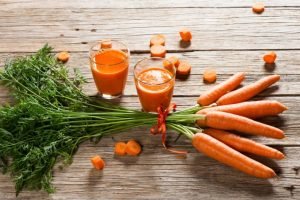
1. Beta carotene: Carrots are a rich source of this powerful antioxidant, which, among other vital uses, ..
-

Tinnitus in the ear can occur due to ear infections, various infections, perforation of the eardrum, ..
-
Comments Off on Pregnancy Calendar – Week 5 of Your Pregnancy

5-week pregnancy “Pregnancy calendar” at week 5: Your baby’s brain is developing. You may feel ..
-
Comments Off on Pregnancy Calendar – Week 4 of Your Pregnancy

4 weeks pregnancy “Pregnancy calendar” at 4th week: A miracle begins! Your baby, now consisting ..
-

Pregnancy Week Five: Early Symptoms and Nausea-Friendly Foods
At five weeks pregnant, the embryo is still tiny, yet major changes are already taking place. Pregnancy hormones are rising quickly, the placenta is beginning to develop, and the body may start showing signs such as tiredness, breast tenderness, mild cramping, frequent urination, or nausea. Some people feel almost nothing at this stage, and that can also be normal.
Early pregnancy can feel especially confusing because symptoms may resemble premenstrual changes. A missed period and a positive home pregnancy test are common clues, while a blood test or appointment with a GP can help confirm the pregnancy and establish suitable care. In Australia, Pregnancy Birth and Baby and state-based maternity services provide reliable information, while a local doctor or registered midwife can give advice suited to individual health needs.
What Happens Around Five Weeks
At this point, pregnancy is usually dated from the first day of the last menstrual period, meaning conception often occurred about three weeks earlier. The developing embryo is beginning the early stages of forming the neural tube, which later becomes the brain and spinal cord. This is why folic acid is important even before a pregnancy is confirmed.
Hormonal changes, particularly increasing human chorionic gonadotrophin and progesterone, can affect digestion, mood, sleep, and appetite. A person may notice bloating, constipation, headaches, a stronger sense of smell, or an unpleasant taste in the mouth. Symptoms can vary from one pregnancy to another and may change from one day to the next.
A home pregnancy test is generally more reliable after a missed period, especially when used with concentrated morning urine. A faint positive result is still usually considered positive, although testing again after a couple of days may provide reassurance. A GP can discuss medical history, medications, supplements, vaccinations, and the timing of the first antenatal appointment.
Early Signs And When To Seek Care
Nausea may begin during the fifth or sixth week, although some people develop it later or do not experience it at all. It can occur at any time, not just in the morning. Smells from cooking, coffee, public transport, or a warm room may suddenly trigger queasiness. Fatigue is also common because progesterone can promote sleepiness and the body is adapting to pregnancy.
Mild lower abdominal pulling or occasional light spotting can happen, but bleeding in early pregnancy should be discussed with a health professional. Seek urgent medical care for heavy bleeding, severe or one-sided abdominal pain, shoulder-tip pain, fainting, marked dizziness, fever, or pain that is getting worse. These symptoms can indicate a problem requiring prompt assessment, including ectopic pregnancy.
Persistent vomiting needs attention when fluids cannot be kept down, urination becomes very infrequent, urine is dark, or there is significant weakness and weight loss. Hyperemesis gravidarum is a severe form of pregnancy sickness that may require prescription treatment, intravenous fluids, or hospital care. A GP, maternity assessment service, or healthdirect can advise on the appropriate service in each Australian state or territory.
Foods That May Settle Nausea
Small, regular meals are often easier to tolerate than a large breakfast, lunch, or dinner. Keeping plain crackers, dry toast, rice cakes, or a banana beside the bed may help before getting up. Some people manage better with cold foods because they have less aroma than hot meals. Sipping water, chilled soda water, weak cordial, or oral rehydration fluids can be useful when plain water is unappealing.
Helpful options include porridge, yoghurt, rice, pasta, soup, baked potato, avocado on toast, and fruit with a small amount of nut butter. Protein can make snacks more satisfying, so try cheese made from pasteurised milk, well-cooked eggs, hummus, tofu, beans, or chicken when tolerated. Ginger tea, crystallised ginger, or ginger added to food may reduce nausea for some people, although concentrated supplements should be discussed with a pharmacist or doctor.
Gentle Snack Ideas
- Plain crackers with a slice of cheese or avocado
- Greek yoghurt with banana and a little oats
- Wholegrain toast with baked beans
- Cold pasta salad with cucumber and well-cooked chicken
- A smoothie made with pasteurised milk, banana, and oats
Food tolerance matters more than following a perfect meal plan during difficult days. If vegetables are temporarily unappealing, choose fruit, blended vegetable soup, frozen peas, or mild foods and gradually broaden the diet as symptoms ease. A dietitian can help if nausea continues to restrict food choices.
Building A Safe Pregnancy Diet
Folic acid is especially important in the first weeks because it supports neural tube development. Australian health advice commonly recommends 400 micrograms of folic acid daily when trying to conceive and during the first 12 weeks, although a higher dose may be prescribed for some people. Those with diabetes, certain medical conditions, or medicines that affect folate should ask a doctor about the correct amount rather than choosing a dose independently.
Iodine is needed for thyroid function and the developing baby, but supplements should be selected carefully. A pregnancy multivitamin may be useful when diet is limited, yet products vary in their iodine, vitamin A, iron, and folate content. The Therapeutic Goods Administration regulates listed and registered medicines in Australia, but “natural” does not automatically mean risk-free during pregnancy. Check herbal products with a GP, pharmacist, or qualified maternity clinician.
Aim for a varied pattern of vegetables, fruit, wholegrain carbohydrates, legumes, nuts, dairy or calcium-fortified alternatives, and protein foods. At a Melbourne or Sydney farmers’ market, fresh produce can be appealing, but it still needs careful washing and safe storage. Supermarket frozen vegetables and canned beans are nutritious, practical alternatives when fatigue or nausea makes cooking difficult.
Foods And Drinks To Handle Carefully
Food safety becomes particularly important because some infections can cause serious pregnancy complications. Avoid unpasteurised milk and foods made from it, raw or undercooked eggs, raw seafood, and undercooked meat. Ready-to-eat refrigerated foods such as deli meats, pâté, and cold-smoked seafood need special care because of listeria risk; follow Australian food-safety advice and heat suitable products until steaming hot when recommended.
Wash fruit and vegetables under running water, keep raw meat separate from ready-to-eat food, and refrigerate leftovers promptly. Check use-by dates rather than relying only on smell. Food Standards Australia New Zealand provides national guidance on pregnancy food safety, while state health departments may publish practical advice for local households.
Caffeine is worth reviewing early. A morning flat white is part of everyday life for many people in Brisbane, Perth, Adelaide, and other Australian cities, but total caffeine intake should stay within pregnancy recommendations. Remember that tea, cola, energy drinks, chocolate, and some medicines also contribute. Alcohol should be avoided during pregnancy because no safe level has been established.
Managing Daily Life And Antenatal Care
Nausea can be harder to manage during a long commute, a hot Queensland summer, or a busy shift at work. Carry a refillable water bottle, a small snack, and a spare bag or tissues, and choose cool, well-ventilated spaces when possible. Public transport in Sydney and Melbourne may expose you to strong smells and crowded conditions, so eating a plain snack before travelling can be easier than waiting until nausea becomes intense.
Gentle movement is usually suitable for people with uncomplicated pregnancies, but the intensity should match current energy levels. Short walks, stretching, and rest may be more realistic than a full exercise routine. Avoid overheating, drink regularly, and stop if there is pain, bleeding, dizziness, chest pain, or unusual shortness of breath. Ask a clinician before continuing high-impact exercise or starting a new programme.
Travel plans may also need a little thought. Early pregnancy sickness, access to medical care, and travel insurance can affect decisions, whether the destination is interstate or overseas. If an itinerary includes Turkey, a practical Istanbul palace guide may help with planning, but a pregnant traveller should also consider walking distances, food hygiene, heat, medication supplies, and the location of nearby medical services.
Useful Early-Pregnancy Checks
- Book a GP appointment or contact a midwife-led maternity service
- Review prescription medicines, vitamins, and herbal remedies
- Confirm folic acid and iodine needs with a qualified professional
- Check vaccination status, including seasonal influenza advice
- Record bleeding, pain, vomiting, and fluid intake if symptoms change
Antenatal care pathways differ across Australia. Public hospitals, private obstetric services, birth centres, shared-care GPs, and Aboriginal community-controlled health services may all be available, depending on location and personal circumstances. People in rural or remote areas can ask about telehealth, visiting maternity teams, and transfer arrangements early in pregnancy.
Finding Relief Without Taking Unchecked Remedies
Some people find acupressure wristbands, ginger, fresh air, or eating before rising helpful for mild nausea. Rest also matters because exhaustion can intensify the sense of sickness. Keeping a simple symptom and food diary may reveal patterns, such as nausea worsening after a long gap between meals or exposure to strong cooking smells.
Do not begin anti-nausea medicines, essential oils, herbal mixtures, or high-dose supplements without professional advice. A pharmacist can explain which products are suitable in pregnancy, while a GP can prescribe treatment when lifestyle measures are insufficient. Australian clinicians may recommend vitamin B6 or other medicines in specific circumstances, but the correct product and dose depend on personal health factors.
Emotional support is part of early pregnancy care. Hormonal changes, uncertainty, and poor sleep can increase anxiety, particularly after previous pregnancy loss or fertility treatment. A partner, trusted friend, GP, midwife, or perinatal mental health service can provide support. If distress becomes overwhelming or there are thoughts of self-harm, seek urgent help through emergency services or a crisis support service.
At five weeks, the most useful priorities are simple: confirm the pregnancy, start or continue appropriate folic acid, eat whatever nourishing foods can be tolerated, avoid alcohol and unsafe foods, and seek help for severe symptoms. Early care does not require perfection; steady hydration, safe choices, and timely medical advice provide a sound beginning.
-

Tea Tree Essential Oil Tea tree oil is often referred to as “medicine cabinet in a bottle,” as it’s ..
-

13 surprising home remedies for acid reflux Before you reach for the heavy-duty, prescription-strength ..
-

Great Burdock The root is used to treat ‘toxic overload’ that result in throat infections and skin ..