
-

1. Apples Are Nutritious A medium apple is equal to 1.5 cups of fruit. Two cups of fruit daily are recommended ..
-

1.Bananas help overcome depression due to high levels of tryptophan, which is converted into serotonin ..
-

1. Beta carotene: Carrots are a rich source of this powerful antioxidant, which, among other vital uses, ..
-
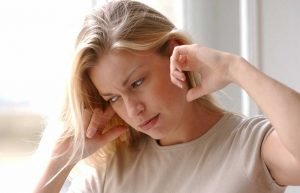
Tinnitus in the ear can occur due to ear infections, various infections, perforation of the eardrum, ..
-
Comments Off on Pregnancy Calendar – Week 5 of Your Pregnancy

5-week pregnancy “Pregnancy calendar” at week 5: Your baby’s brain is developing. You may feel ..
-
Comments Off on Pregnancy Calendar – Week 4 of Your Pregnancy

4 weeks pregnancy “Pregnancy calendar” at 4th week: A miracle begins! Your baby, now consisting ..
-

Simple Breathing Exercises to Help Manage Everyday Stress
Everyday stress can build up during traffic, deadlines, household demands, poor sleep, or long stretches of screen time. Because breathing is automatic, it offers one of the quickest ways to interrupt a tense moment without special equipment. Slow, comfortable breathing is not a cure-all, but it can support relaxation and make the next task feel more manageable.
A slow-breathing pattern can encourage a calmer physical state by reducing very rapid breathing and engaging the body’s relaxation pathways. The aim is not to force deep breaths or hold the lungs full. Lengthen the exhale slightly, keep the jaw and shoulders loose, and allow the abdomen to move. Attending to the breath may also reduce mental rumination, although responses vary and the exercise should never be painful.
Simple routines fit readily into Australian days: a pause before catching a crowded train in Sydney, a quiet few minutes between meetings in Melbourne, or a cooler break during a humid Brisbane afternoon. No app, paid course, or gym membership is required. However, breathing exercises do not treat depression, panic disorder, asthma, or other medical conditions. Anyone with an existing health concern should use a technique that a qualified clinician considers suitable.
Different simple breathing exercises suit different situations, so it helps to understand what each pattern involves and when to stop. Box breathing offers an even rhythm, longer-exhale breathing feels manageable for many beginners, and 4-7-8 breathing is often used as a wind-down practice. Consistency matters more than technical perfection. Choose a comfortable pace, practise briefly, and return to normal breathing whenever you feel light-headed, breathless, or distressed.
How Slow Breathing Influences Stress Responses
The body reacts to stress through changes in breathing, muscle tension, heart rate, and attention. When breathing becomes shallow and fast, a slower rhythm may provide a cue to settle. Exhalation naturally tends to be longer than inhalation, so many relaxation methods lengthen the out-breath slightly. This can shift attention away from a stressor and reduce urgency without requiring the belief that a set number of breaths will cure anxiety.
For a beginner, sit or lie with the head supported and the spine upright. Place one hand over the upper chest and the other on the abdomen. Let the lower hand rise as you inhale and fall as you exhale, while the upper hand stays relatively quiet. Keep the shoulders down and the jaw unclenched. The chest can move a little; abdominal movement need not be dramatic. Belly breathing is a relaxation tool, not a capacity test.
Persistent symptoms need assessment rather than being blamed on stress. Heartburn, nausea, abdominal pain, or bowel changes should be discussed with a health professional if they continue or worsen. If infection is suspected, a clinician can select the appropriate test; this H. pylori test comparison explains why a breath test and stool analysis are different investigations. Breathing practice may support comfort, but it cannot identify the cause of digestive symptoms.
Box Breathing for a Predictable Reset
Box breathing uses four equal phases: inhale for four counts, hold for four, exhale for four, and pause for four. The equal rhythm can make a stressful interval feel bounded and predictable. Each count should take about one second, but speed matters less than comfort. If four seconds feels like a strain, use three counts or simply pause after the exhale.
Begin with two or three rounds rather than trying to continue for several minutes. Keep the airflow silent or nearly silent, breathe through the nose if that feels easy, and release the held breath rather than pushing it out. Mild tingling can occur during breath holds, but numbness, dizziness, a headache, or a feeling of faintness is a sign to stop immediately. Normal breathing is always an acceptable outcome.
This pattern is useful before a difficult conversation, while waiting for a delayed train, or during a work break. It can provide a familiar rhythm for someone who finds an uneven breath unsettling. Try it with the eyes open and both feet on the floor. During safety-critical work, breathe during a genuine break rather than while handling machinery or driving.
Longer Exhale Breathing for Evening Tension
A longer-exhale method starts with a gentle inhale followed by an out-breath that lasts longer. A common version is four counts in and six counts out, without a prolonged hold. The longer out-breath can feel settling and may help reduce physical arousal. It is often used for everyday tension, but it is not a performance challenge; the exhale should remain smooth, quiet, and controlled.
Keep the throat relaxed and imagine cool air moving through the nostrils. Some people naturally use slightly pursed lips to spread the outgoing breath, while others prefer an open mouth. Neither method is necessary. Stop if the breath feels forced, the chest tightens, or the person becomes dizzy. A shorter ratio, such as three in and four out, can provide the same basic effect with less effort.
During hot weather, a warm room can make deep breathing uncomfortable, especially with asthma or chronic lung disease. In Brisbane or other humid cities, practise in a cooler, ventilated period and follow any prescribed action plan. Air-conditioning can dry the mouth, so sipping water may improve comfort. The goal is easy breathing, not maximising oxygen intake or beating a record.
4-7-8 Breathing for Sleep and Focus
The 4-7-8 method combines a four-count inhale, a seven-count hold, and an eight-count exhale. The extended exhale is intended to create a deliberate wind-down signal, which is why this pattern is often used before sleep or during quiet evening moments. It can feel long at first, particularly the hold, so shorter versions such as 4-4-6 are reasonable when needed.
Sit or lie in a position that supports the neck, then begin with two rounds. Count silently, keep the inhale quiet, and release the air through relaxed lips. Do not strain to complete every count, and never continue through dizziness. Some people become more concerned rather than calmer when focusing on a long hold, so switching to even box breathing or simply breathing naturally is a sensible adjustment.
This exercise is one component of a bedtime routine rather than a guaranteed sleep treatment. Dimming lights, reducing stimulating screens, and keeping a consistent sleep schedule can reinforce the same aim. For adjacent information about sleep, nutrition, pregnancy, and general wellbeing, the Healthy Life Live collection provides useful background, while persistent insomnia still deserves professional assessment.
Fitting Exercises Into Australian Routines
Australian routines make brief practice easier when attached to an existing habit. After a morning coffee in a Melbourne café, during a transfer between Sydney train lines, or after a swim at a local pool, a two-minute exercise can become predictable. Waiting for coffee at a Brisbane kiosk or walking from a parked car can work too. The setting matters less than having space to sit and noticing that the breath has slowed.
The Australian wellness market offers breathing apps, courses, tracks, and products promoted for stress or sleep through pharmacies, supermarkets, and health-food stores. Some complementary products carry an AUST L number, but listing does not mean a product treats stress or anxiety. The Therapeutic Goods Administration and advertising rules regulate many therapeutic goods and claims, so labels should be read carefully. No supplement replaces a GP assessment, sleep, or appropriate psychological treatment.
Professional support is part of the local picture too. An Australian GP can assess ongoing stress and may provide a Mental Health Treatment Plan, helping eligible people access Medicare-subsidised psychology services. Digital health tools should be checked for data handling because the Privacy Act 1988 and state health-records legislation may apply depending on the provider. Clear consent and secure storage of breathing or health data matter.
Safe Practice and Professional Support
Most gentle breathing exercises are low risk, but safety comes first. Stop and breathe normally if someone becomes light-headed, nauseated, unusually tired, confused, or short of breath. People with asthma, COPD, heart disease, severe anxiety, or pregnancy concerns should ask a qualified clinician about modifications. A technique that triggers panic is not relaxing for that person, even if the instructions are followed perfectly.
Rapid breathing can be part of a panic episode, and focusing on it may intensify fear for some people. Grounding through the feet, the chair, or nearby objects may be more tolerable, along with support from a trusted person. Avoid adding a long hold or forceful exhale. A breathing app should offer a stop option and avoid claims of guaranteed relief or rapid transformation.
Professional help is warranted when stress persists for weeks, disrupts work or relationships, or comes with panic, depression, trauma symptoms, or changes in sleep and appetite. A GP can check physical contributors and arrange mental-health support. In an emergency, call 000 for chest pain, severe breathing difficulty, fainting, or other urgent symptoms. Lifeline’s 13 11 14 service offers confidential support in Australia for immediate distress.
Building a Habit That Lasts
Choose one comfortable method for the first week rather than collecting several apps. A simple sequence is two minutes of box breathing before work, a longer-exhale routine at a traffic light, and natural breathing through the day. Brief sessions often fit real schedules better than an ambitious half-hour routine. Keep a note of how often you practised and whether it made the body feel calmer.
Breathing works best as one part of broader stress care. A short walk, time with supportive colleagues, music, stretching, and regular meals can reinforce relaxation. Outdoor time is readily available in Australian parks, though summer heat, smoke, or poor air quality may require an indoor alternative. On high-pollution days, check official local guidance, choose cleaner-air times, and keep any exercise gentle.
After a couple of weeks, review which pattern was easiest and which moments benefited. Retain what felt comfortable and remove anything that caused strain or worry. If symptoms remain distressing, use that record when discussing the pattern with a GP or psychologist. A few minutes of unhurried breathing can become a reliable personal tool for everyday stress while leaving room for sleep, movement, connection, and professional care when needs are greater.
-

Tea Tree Essential Oil Tea tree oil is often referred to as “medicine cabinet in a bottle,” as it’s ..
-

13 surprising home remedies for acid reflux Before you reach for the heavy-duty, prescription-strength ..
-

Great Burdock The root is used to treat ‘toxic overload’ that result in throat infections and skin ..