
-
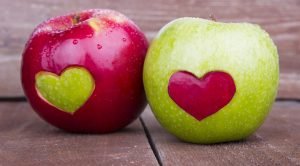
1. Apples Are Nutritious A medium apple is equal to 1.5 cups of fruit. Two cups of fruit daily are recommended ..
-
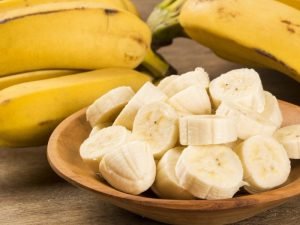
1.Bananas help overcome depression due to high levels of tryptophan, which is converted into serotonin ..
-
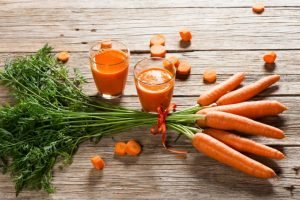
1. Beta carotene: Carrots are a rich source of this powerful antioxidant, which, among other vital uses, ..
-

Tinnitus in the ear can occur due to ear infections, various infections, perforation of the eardrum, ..
-
Comments Off on Pregnancy Calendar – Week 5 of Your Pregnancy

5-week pregnancy “Pregnancy calendar” at week 5: Your baby’s brain is developing. You may feel ..
-
Comments Off on Pregnancy Calendar – Week 4 of Your Pregnancy

4 weeks pregnancy “Pregnancy calendar” at 4th week: A miracle begins! Your baby, now consisting ..
-

The Anti-Inflammatory Power of Berries Like Blueberries and Strawberries
Inflammation is a normal part of the body’s defense system. It helps the immune system respond to injury and infection, but persistent, low-grade inflammation may contribute to conditions such as cardiovascular disease, type 2 diabetes, joint problems, and some digestive disorders. Diet is one factor that can influence this process.
Blueberries and strawberries are especially valuable additions to an anti-inflammatory eating pattern. They provide colorful plant compounds, dietary fiber, vitamins, and minerals while being naturally sweet and relatively low in calories. Their benefits come from the whole fruit rather than from a single “miracle” ingredient.
Eating berries will not replace medical treatment or erase the effects of poor sleep, smoking, chronic stress, or a highly processed diet. However, enjoying them regularly can support a broader lifestyle focused on heart health, digestive wellness, and balanced nutrition.
What Gives Berries Their Anti-Inflammatory Properties
Berries contain polyphenols, a large group of plant compounds that help protect plants from environmental stress. In the human diet, these compounds may help regulate oxidative stress and inflammatory signaling. Blueberries are particularly rich in anthocyanins, the pigments responsible for their deep blue-purple color.
Strawberries contain anthocyanins as well, along with ellagic acid and other phenolic compounds. Their bright red color reflects a different mix of protective pigments, but the nutritional effect is similar: they contribute a wide range of antioxidants rather than relying on one isolated substance.
Oxidative stress occurs when unstable molecules outnumber the body’s ability to control them. This imbalance can affect cells and may stimulate inflammatory pathways. The antioxidants in berries help support the body’s natural defenses, although food-based antioxidants do not act as simple substitutes for the body’s own antioxidant systems.
Research involving berry intake has found promising effects on markers such as inflammatory proteins, blood vessel function, and cholesterol oxidation. Results vary according to the type and amount of berries consumed, the health of the participants, and the length of the study. These foods should be viewed as supportive components of a healthy pattern, not as cures.
Blueberries And Strawberries Compared
Both fruits offer fiber and beneficial plant compounds, but their nutritional profiles are not identical. Blueberries tend to provide more anthocyanins per serving, while strawberries are especially known for their vitamin C content. Portion size, ripeness, growing conditions, and storage can also affect nutrient levels.
Fresh berries are excellent, but frozen berries can be just as practical and may retain much of their nutritional value because they are often frozen soon after harvest. Unsweetened frozen fruit is a better choice than products packed in syrup or prepared with added sugar.
Nutrient or feature Blueberries Strawberries Main protective pigments Anthocyanins Anthocyanins and other phenolic compounds Notable nutrient Vitamin K and manganese Vitamin C and folate Fiber contribution Moderate Moderate Flavor profile Sweet, mildly tangy Bright, fragrant, and slightly tart Useful preparations Oatmeal, yogurt, salads, smoothies Salads, whole-grain toast, yogurt, sauces Best everyday form Fresh or unsweetened frozen Fresh or unsweetened frozen These fruits can be combined to increase variety. A mixed serving supplies several types of polyphenols, and variety is useful because plant compounds may interact with different biological pathways. Adding raspberries, blackberries, or cherries can broaden the range of pigments and fibers in the diet.
How Berry Fiber Supports Whole-Body Health
Inflammation is connected to the gut, immune system, metabolism, and cardiovascular health. The fiber in berries supports digestive function and helps food move through the intestinal tract. Some of that fiber reaches the colon, where beneficial gut microbes can ferment it and produce short-chain fatty acids.
These compounds may help maintain the intestinal barrier and support communication between gut microbes and immune cells. A healthy gut environment does not depend on berries alone, but berries can contribute to a varied diet that includes vegetables, beans, whole grains, nuts, and seeds.
Fiber may also slow the absorption of carbohydrates, helping meals feel more satisfying and supporting steadier blood glucose levels. Whole berries have a different effect from fruit juice because chewing and fiber slow consumption. This is one reason eating the fruit intact is generally preferable to drinking a strained beverage.
People who are not accustomed to much fiber should increase portions gradually and drink enough fluids. A sudden increase may cause gas or abdominal discomfort. Those with a medically prescribed low-fiber diet should follow professional guidance before adding larger amounts of berries.
Potential Benefits For The Heart And Brain
A diet rich in colorful fruits is associated with better cardiovascular health. Berry polyphenols may support the inner lining of blood vessels, known as the endothelium, and may help the body manage oxidative processes involved in cholesterol and arterial function. Some controlled studies have reported improvements in blood pressure or vascular function after regular berry consumption, though findings are not uniform.
The potassium and fiber in fruit also fit into heart-supportive eating patterns. Replacing pastries, candy, or heavily sweetened snacks with berries can reduce intake of refined carbohydrates and added sugars. The benefit often comes from the overall substitution, not from a single food acting independently.
Scientists are also studying berries in relation to memory and healthy cognitive aging. Anthocyanins may influence blood flow and cellular signaling in the brain. Early research is encouraging, but berry intake should not be promoted as a treatment for dementia or another neurological condition.
For the strongest long-term effect, pair berries with other established habits: regular physical activity, adequate sleep, blood pressure management, and meals built around minimally processed foods. A varied plate is more useful than concentrating on one “superfood.”
Choosing And Preparing Berries Wisely
A practical serving is about one cup of whole berries, although personal needs vary. Add them to plain yogurt, porridge, chia pudding, or a leafy salad. They can also be blended with unsweetened milk or a fortified plant beverage, but keeping some of the fruit whole preserves a more satisfying texture.
Wash fresh berries under cool running water shortly before eating. Washing them too early can encourage moisture-related spoilage. Remove damaged fruit, keep the rest refrigerated, and use shallow containers that allow air circulation. Frozen berries can be added directly to oatmeal or thawed in the refrigerator.
The nutritional value can be reduced by turning berries into desserts loaded with sugar, cream, or refined flour. A small amount of honey or maple syrup may be acceptable for taste, but frequent heavy sweetening works against the goal of reducing added sugar. Dried berries also require care because they are concentrated and may contain added sweeteners.
Fruit juice and berry-flavored drinks are less filling and usually contain less fiber than whole berries. When buying packaged products, check the ingredient list for added sugar, syrups, and unnecessary sweeteners. Unsweetened frozen fruit is often one of the simplest and most economical choices outside the growing season.
Making Berries Part Of A Balanced Routine
Consistency matters more than occasional large servings. Eating a modest portion several times each week is a realistic approach for many people. Berries can complement vegetables, legumes, whole grains, fish, nuts, and healthy oils in an eating pattern similar to the Mediterranean diet.
They are also easy to adapt for different meals. Blueberries work well with oats and walnuts, while strawberries pair with spinach, avocado, or plain cottage cheese. Combining fruit with protein or healthy fat may make a snack more filling and reduce the urge to add large amounts of sugar.
People with diabetes can often include whole berries in a balanced meal plan, but portion size and total carbohydrate intake still matter. Anyone taking medication affected by vitamin K should discuss major dietary changes with a healthcare professional, even though a normal serving of berries is not usually a concern. Individuals with a known berry allergy should avoid the triggering fruit and seek medical advice about alternatives.
Simple habits make healthy choices easier:
- Keep washed, ready-to-eat berries visible in the refrigerator.
- Choose plain yogurt and add berries instead of buying heavily sweetened fruit yogurt.
- Use frozen blueberries or strawberries in oatmeal, smoothies, or whole-grain muffins.
- Combine berries with nuts, seeds, or a protein-rich food for a more satisfying snack.
- Rotate berries with other colorful fruits to increase dietary variety.
The evidence for berries is strongest when they replace less nutritious foods and form part of an overall balanced diet. No single fruit can correct an inflammatory condition, and persistent pain, swelling, digestive symptoms, or unexplained fatigue deserve professional assessment.
Add a serving of fresh or unsweetened frozen berries to one meal this week, and build from there. Pair their natural color and flavor with other whole foods, regular movement, and nourishing daily habits to make anti-inflammatory eating practical for the long term.
-
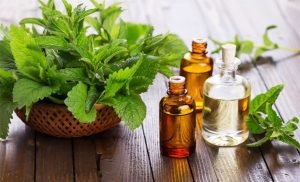
Tea Tree Essential Oil Tea tree oil is often referred to as “medicine cabinet in a bottle,” as it’s ..
-

13 surprising home remedies for acid reflux Before you reach for the heavy-duty, prescription-strength ..
-
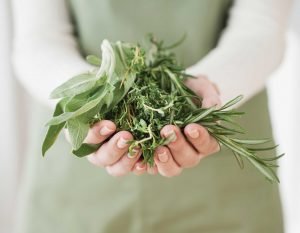
Great Burdock The root is used to treat ‘toxic overload’ that result in throat infections and skin ..