
-

1. Apples Are Nutritious A medium apple is equal to 1.5 cups of fruit. Two cups of fruit daily are recommended ..
-

1.Bananas help overcome depression due to high levels of tryptophan, which is converted into serotonin ..
-

1. Beta carotene: Carrots are a rich source of this powerful antioxidant, which, among other vital uses, ..
-

Tinnitus in the ear can occur due to ear infections, various infections, perforation of the eardrum, ..
-
Comments Off on Pregnancy Calendar – Week 5 of Your Pregnancy

5-week pregnancy “Pregnancy calendar” at week 5: Your baby’s brain is developing. You may feel ..
-
Comments Off on Pregnancy Calendar – Week 4 of Your Pregnancy

4 weeks pregnancy “Pregnancy calendar” at 4th week: A miracle begins! Your baby, now consisting ..
-

Seaweed for iodine and essential minerals
Seaweed has moved from a specialist ingredient to a familiar part of Australian eating. Nori sheets wrap sushi, wakame appears in miso soup, and toasted seaweed snacks sit beside nuts and crackers in many supermarkets. These marine vegetables provide iodine, a nutrient needed for thyroid hormone production, along with minerals such as iron, calcium, magnesium and potassium.
Adding small amounts of seaweed to meals can be a useful way to broaden your diet, especially when you enjoy Asian-inspired cooking or want more plant-based ingredients. Its nutritional value varies greatly between species and products, however. A sensible approach involves choosing the right type, checking labels and avoiding very large servings of iodine-rich kelp.
Why iodine matters for everyday health
Iodine is required to make thyroid hormones, which help regulate energy use, body temperature, heart rate and many other body processes. The body cannot produce iodine, so it must come from food or supplements. Seaweed is among the richest natural sources because it absorbs iodine from seawater.
The amount found in seaweed can differ dramatically. Nori generally contains less iodine than kombu, also called kelp, while wakame falls somewhere between the two. A sheet of nori may provide a moderate amount, but a serving of kombu used to make stock can contain several times the recommended daily intake. Drying also concentrates nutrients because water is removed.
Australian and New Zealand nutrient reference values list an adult recommended dietary intake of about 150 micrograms of iodine per day. Requirements rise during pregnancy and breastfeeding, when iodine supports thyroid function and the developing baby’s brain and nervous system. Because seaweed iodine levels are unpredictable, it should support a varied diet rather than replace professional advice about pregnancy supplements.
Minerals found in marine vegetables
Seaweed contains a mixture of minerals absorbed from the ocean. Calcium contributes to bones and teeth, magnesium supports normal muscle and nerve function, and potassium helps with fluid balance and nerve signalling. Some varieties also provide iron, although the quantity and absorption can vary depending on the species and the meal.
Nori can contribute small amounts of iron and protein, while wakame supplies fibre and several micronutrients. Kelp is valued for iodine and can contain calcium and magnesium, but it is often consumed in such small portions that its overall mineral contribution may be modest. A sprinkle of flakes is useful as a flavouring, yet it should not be treated as a replacement for vegetables, legumes, dairy foods or other reliable mineral sources.
Seaweed also contains fibre and distinctive compounds such as alginates and fucoidans. Research into these substances is ongoing, but laboratory findings should not be presented as proof that seaweed prevents cancer, cures disease or replaces prescribed treatment. Its clearest established benefit is as a nutrient-dense food that can add savoury flavour with relatively few kilojoules.
Choosing between nori, wakame and kelp
Nori is the thin, dark-green seaweed commonly used for sushi rolls and hand rolls. It is easy to portion, widely available in Australian supermarkets and usually milder in iodine than kelp. Torn nori can be added to rice bowls, scrambled eggs, avocado toast or homemade popcorn. Toasted sheets may contain added salt or oil, so the nutrition panel is worth checking.
Wakame is often sold dried and expands considerably after soaking. It works well in miso soup, noodle dishes, tofu salads and vegetable broths. Its iodine content is variable, but ordinary servings are generally easier to manage than a large piece of kombu. Rinse or soak it according to the packet instructions, particularly if you are watching your salt intake.
Kombu and other kelps are commonly used to make Japanese-style dashi. The stock can have a deep umami taste, but kombu may deliver an excessive iodine load if consumed frequently or in large quantities. A small piece removed during cooking is different from eating a bowlful of rehydrated kelp. Seaweed powders and supplements deserve extra caution because a teaspoon can contain a concentrated, poorly predictable dose.
How to add seaweed without overdoing iodine
For most healthy adults, occasional nori or modest servings of wakame can fit comfortably into a balanced eating pattern. Start with a small portion and use it as a seasoning or side ingredient. Combining seaweed with grains, vegetables, tofu, eggs, fish or beans creates a more complete meal than relying on seaweed alone.
Read packaging for serving size, iodine information and sodium. Some Australian products display iodine content, while others provide only a general ingredient list. Organic certification does not automatically mean a product contains less iodine or fewer contaminants. The growing range of seaweed snacks at Coles, Woolworths, health-food shops and Asian grocers makes comparison possible, but the products are not nutritionally interchangeable.
Australian coastal foraging requires particular care. Seaweed collected around Sydney, Melbourne, Perth or regional beaches may be exposed to pollutants, sewage runoff, heavy metals or marine toxins, and it may be difficult to identify correctly. Local council or state guidance should be followed, and shop-bought seaweed from a reputable supplier is the safer everyday option.
Who should take extra care
People with thyroid disease should discuss regular seaweed consumption with a GP or endocrinologist. A sudden increase in iodine can worsen some thyroid conditions, including autoimmune thyroid disorders, while excessive iodine may disturb thyroid function in people who are sensitive to it. Those taking antithyroid medicines or other medications affected by iodine should obtain individual advice.
Pregnant and breastfeeding people need adequate iodine, but “more” is not automatically better. Australian health professionals commonly recommend an iodine supplement of 150 micrograms during pregnancy and breastfeeding when appropriate, yet supplements should be selected with a doctor, midwife or pharmacist. Combining an iodine supplement with kelp tablets, seaweed powders and frequent kombu broth could create an unnecessarily high intake.
Children also have different nutrient needs and smaller body sizes. A seaweed snack marketed as healthy may still be high in salt, and a concentrated kelp product may deliver too much iodine for a child. Anyone with a seafood allergy should check the product carefully, as seaweed itself is different from fish and shellfish but can be processed in facilities handling common allergens.
Simple ways to use seaweed in Australian kitchens
Seaweed can bring a savoury, slightly salty taste to familiar meals without requiring a major change to the way you eat. Crumble nori over brown rice and roasted vegetables, mix finely cut wakame through cucumber salad, or add a small amount to a lentil soup. These uses spread a modest portion across a meal rather than encouraging large quantities.
A seaweed and sesame sprinkle can replace some table salt, but it should not be assumed to be sodium-free. Choose plain flakes when possible and use lemon, garlic, ginger, chilli or herbs for additional flavour. If you are preparing sushi at home, pair nori with vegetables, tofu, egg or cooked salmon and keep high-salt sauces to a minimum.
Kombu can be used to flavour beans or stock, then removed before serving. This gives the broth its umami character while reducing the amount eaten. In warm weather, wakame can be added to a cold noodle salad, while nori sheets make a practical pantry ingredient for quick lunches during a busy workday in Brisbane, Adelaide or Canberra.
Practical ways to include seaweed safely
- Choose plain nori or modest portions of wakame for regular meals, and reserve kombu for occasional stock-making.
- Compare nutrition panels for iodine, sodium, added oil and serving size before buying seaweed snacks or powders.
- Keep seaweed as one part of a varied diet that includes vegetables, fruit, legumes, whole grains, dairy or alternatives, nuts and protein foods.
- Ask a GP, pharmacist or dietitian for advice if you have thyroid disease, take iodine-containing supplements, or are pregnant or breastfeeding.
- Buy packaged seaweed from a reputable Australian retailer instead of harvesting from beaches or estuaries without clear safety guidance.
Seaweed is best viewed as a concentrated seasoning and occasional vegetable rather than a miracle food. Used thoughtfully, it can add iodine, minerals, fibre and umami to everyday meals while helping make simple plant-based dishes more interesting. Portion awareness matters because the same marine ingredient that provides a valuable nutrient can supply far more iodine than the body needs.
-

Tea Tree Essential Oil Tea tree oil is often referred to as “medicine cabinet in a bottle,” as it’s ..
-

13 surprising home remedies for acid reflux Before you reach for the heavy-duty, prescription-strength ..
-
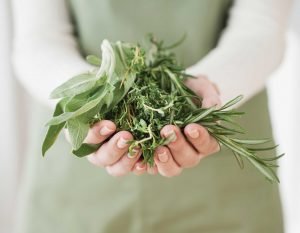
Great Burdock The root is used to treat ‘toxic overload’ that result in throat infections and skin ..