
-

1. Apples Are Nutritious A medium apple is equal to 1.5 cups of fruit. Two cups of fruit daily are recommended ..
-
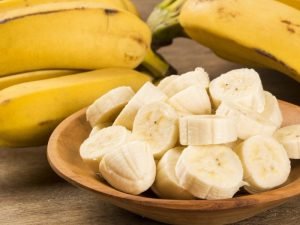
1.Bananas help overcome depression due to high levels of tryptophan, which is converted into serotonin ..
-
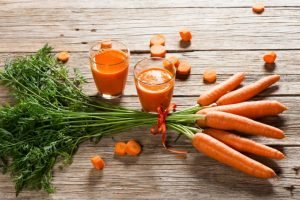
1. Beta carotene: Carrots are a rich source of this powerful antioxidant, which, among other vital uses, ..
-

Tinnitus in the ear can occur due to ear infections, various infections, perforation of the eardrum, ..
-
Comments Off on Pregnancy Calendar – Week 5 of Your Pregnancy

5-week pregnancy “Pregnancy calendar” at week 5: Your baby’s brain is developing. You may feel ..
-
Comments Off on Pregnancy Calendar – Week 4 of Your Pregnancy

4 weeks pregnancy “Pregnancy calendar” at 4th week: A miracle begins! Your baby, now consisting ..
-

The Benefits of Broccoli, Cauliflower, and Other Cruciferous Vegetables
Broccoli, cauliflower, cabbage, kale, Brussels sprouts, bok choy, and radishes belong to the cruciferous vegetable family. They are valued for their fiber, vitamins, minerals, antioxidants, and naturally occurring plant compounds. Adding these vegetables to regular meals can support several aspects of general health while making a diet more colorful and satisfying.
Their nutritional value is especially useful because cruciferous vegetables are generally low in calories and high in volume. A generous serving can add texture and flavor to a meal without contributing much saturated fat, sugar, or sodium. They are also flexible ingredients that work in salads, soups, stir-fries, curries, roasted dishes, and simple side plates.
Health benefits depend on overall eating habits, portion sizes, preparation methods, and individual needs. Broccoli and cauliflower can be part of a balanced diet, but they do not replace prescribed treatment or provide every nutrient the body requires.
Why Cruciferous Vegetables Matter
Broccoli and cauliflower contain a combination of dietary fiber, vitamin C, vitamin K, folate, potassium, and smaller amounts of other micronutrients. Broccoli usually provides more vitamin C and vitamin K than cauliflower, while cauliflower has a mild taste and a pale color that makes it easy to use in many recipes. Cabbage, kale, and Brussels sprouts add different nutrient profiles to the same vegetable family.
These vegetables also supply carotenoids and polyphenols, which are plant compounds associated with antioxidant activity. Antioxidants help the body manage oxidative stress produced during normal metabolism and by environmental factors. A varied intake of vegetables provides a broader range of these compounds than relying on a single “superfood.”
Cruciferous vegetables are particularly useful for people trying to increase their vegetable intake without making meals excessively heavy. Their natural water and fiber content can add fullness, which may help support comfortable portion control when combined with adequate protein and healthy fats.
Key Nutrients In Broccoli And Cauliflower
Vitamin C is one of the best-known nutrients in broccoli and cauliflower. It supports normal immune function, collagen production, wound healing, and the absorption of iron from plant foods. Light cooking can soften the vegetables while preserving much of their vitamin C, although prolonged boiling may cause some water-soluble nutrients to move into the cooking water.
Vitamin K, found in especially meaningful amounts in broccoli and leafy cruciferous vegetables, contributes to normal blood clotting and bone metabolism. Folate supports cell division and is important during pregnancy, although pregnant people should follow individualized guidance from a qualified healthcare professional rather than relying on food alone for prenatal nutrition.
Both vegetables contain potassium, which helps support normal muscle and nerve function. They also provide smaller amounts of calcium, magnesium, and vitamin B6. Their protein content is modest, so they work best alongside foods such as beans, lentils, eggs, fish, poultry, tofu, yogurt, or nuts.
Fiber, Digestion, And Metabolic Health
Fiber is one of the main reasons to include broccoli, cauliflower, and other brassica vegetables regularly. Soluble and insoluble fibers help add bulk to stool and support regular bowel movements. Some of their carbohydrates are fermented by beneficial gut microorganisms, producing compounds that may contribute to the health of the intestinal environment.
A fiber-rich eating pattern can also help slow digestion and moderate the rise in blood glucose after meals. This does not make broccoli or cauliflower a treatment for diabetes, but replacing refined, low-fiber side dishes with vegetables may support a more balanced meal pattern. Their low energy density can be helpful for people working toward a healthy body weight.
People who are not used to eating much fiber may experience gas, bloating, or abdominal discomfort after suddenly eating large portions. Gradually increasing servings and drinking enough fluid can make the transition easier. Cooking cruciferous vegetables until tender may also improve tolerance for some people.
Vegetable Notable nutrients and compounds Easy preparation ideas Broccoli Vitamin C, vitamin K, folate, fiber, sulforaphane precursors Steam, roast, stir-fry, add to pasta or grain bowls Cauliflower Vitamin C, vitamin K, folate, fiber, glucosinolates Roast, mash, add to soups, use in curries Brussels sprouts Fiber, vitamin K, vitamin C, folate Roast with olive oil, shred into slaw, sauté Cabbage Vitamin C, vitamin K, fiber, anthocyanins in red varieties Use in salads, soups, wraps, and stir-fries Kale Vitamins K, A, and C, carotenoids, calcium Massage into salads, blend into soups, sauté Bok choy Vitamins C and K, folate, calcium, potassium Steam, add to noodles, sauté with garlic Plant Compounds And Long-Term Wellness
Cruciferous vegetables contain glucosinolates, sulfur-containing compounds that are converted during chopping, chewing, and digestion into substances such as sulforaphane and indole-3-carbinol. Research has examined these compounds for their roles in cellular defense, detoxification pathways, inflammation regulation, and protection from oxidative stress.
Laboratory and observational research has produced promising findings, especially regarding diets rich in vegetables. However, results from cell or animal studies do not prove that a specific vegetable prevents or treats disease in humans. It is more accurate to view these foods as part of a dietary pattern associated with health rather than as medicinal cures.
Chopping or chewing cruciferous vegetables activates an enzyme involved in forming some of these compounds. Gentle steaming may preserve more of this activity than prolonged boiling. Even when preparation changes the levels of individual compounds, cooked vegetables still provide valuable fiber, vitamins, minerals, and other beneficial substances.
Heart-Friendly Ways To Serve Them
Replacing heavily processed side dishes with roasted cauliflower, steamed broccoli, cabbage, or Brussels sprouts can improve the overall nutritional quality of a meal. The benefits are greater when vegetables are paired with unsaturated fats, such as olive oil, avocado, seeds, or nuts, rather than large amounts of butter, creamy sauces, or processed meat.
The fiber and potassium in vegetables can fit into an eating pattern that supports cardiovascular health. Their naturally low sodium content is also useful, although sauces, seasoning blends, cheese, and packaged meals can quickly increase the salt level. Lemon juice, herbs, garlic, ginger, black pepper, and toasted seeds can add flavor without depending entirely on salt.
For a filling plate, combine half the meal with vegetables, then add a source of protein and a portion of whole grains or another high-fiber carbohydrate. A broccoli and chickpea bowl, cauliflower and lentil curry, or cabbage stir-fry with tofu can provide a more complete balance than vegetables served alone.
Choosing And Preparing Them Well
Fresh, frozen, and properly canned vegetables can all contribute to a healthy diet. Frozen broccoli and cauliflower are often harvested and packaged quickly, making them convenient when fresh produce is unavailable. Choose fresh vegetables that are firm, free from extensive bruising, and appropriately stored. For canned products, look for options with little or no added salt and rinse them when suitable.
Steaming, roasting, microwaving, and quick stir-frying generally preserve texture and flavor well. Roasting can bring out sweetness, while steaming keeps broccoli bright and tender. Cutting vegetables into similar-sized pieces helps them cook evenly. Avoid cooking them for so long that they become very soft and develop a strong sulfurous smell.
Wash produce under running water before cutting it, even when the outside will not be eaten. Clean knives, cutting boards, and hands help reduce cross-contamination. Refrigerate cooked vegetables promptly and use leftovers within a safe period according to standard food-safety guidance.
Simple Ways To Eat More Brassica Vegetables
- Add chopped broccoli or cauliflower to omelets, soups, pasta, grain bowls, and bean dishes.
- Roast a mixed tray of cauliflower, Brussels sprouts, carrots, and onions with olive oil and herbs.
- Replace part of a rice or potato serving with finely chopped cauliflower while keeping some whole grains in the meal.
- Shred cabbage or kale into salads, tacos, wraps, and sandwiches for extra crunch and fiber.
- Pair steamed vegetables with beans, lentils, fish, eggs, tofu, or lean poultry for a balanced plate.
Sensible Considerations For Different Needs
For most people, ordinary servings of cruciferous vegetables are safe and beneficial. Individuals with irritable bowel syndrome or other digestive sensitivities may find that large amounts of broccoli, cauliflower, cabbage, or Brussels sprouts trigger gas or bloating. Smaller servings, thorough cooking, and gradual increases may help, though persistent symptoms should be discussed with a healthcare professional.
People taking warfarin or another medication affected by vitamin K should keep their intake of vitamin K-rich foods reasonably consistent rather than suddenly making major changes. They should follow advice from their prescribing clinician and should not stop medication because of dietary concerns.
Raw cruciferous vegetables contain goitrogenic compounds that may interfere with iodine use in certain circumstances, but typical food portions are generally not a concern for people with normal thyroid function. Those with thyroid disease, iodine deficiency, or a medically restricted diet should ask a clinician or registered dietitian about appropriate amounts and preparation methods.
Supplements containing concentrated broccoli sprouts or sulforaphane are different from eating whole vegetables. They may have medication interactions, uncertain dosing, or limited evidence for specific health claims. Whole foods provide the benefit of a broader nutrient package and are usually the sensible first choice.
Make broccoli, cauliflower, cabbage, kale, Brussels sprouts, or bok choy a regular part of your meals by choosing one variety during your next grocery trip and preparing it in a simple way. A few servings spread across the week can add fiber, vitamins, minerals, and protective plant compounds to an everyday eating pattern. Pair them with nourishing protein and whole-food carbohydrates, and seek personalized medical advice when a health condition or medication affects your diet.
-

Tea Tree Essential Oil Tea tree oil is often referred to as “medicine cabinet in a bottle,” as it’s ..
-

13 surprising home remedies for acid reflux Before you reach for the heavy-duty, prescription-strength ..
-

Great Burdock The root is used to treat ‘toxic overload’ that result in throat infections and skin ..