
-

1. Apples Are Nutritious A medium apple is equal to 1.5 cups of fruit. Two cups of fruit daily are recommended ..
-

1.Bananas help overcome depression due to high levels of tryptophan, which is converted into serotonin ..
-
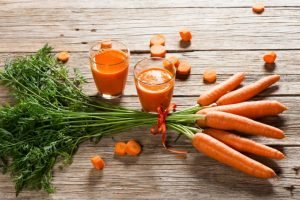
1. Beta carotene: Carrots are a rich source of this powerful antioxidant, which, among other vital uses, ..
-

Tinnitus in the ear can occur due to ear infections, various infections, perforation of the eardrum, ..
-
Comments Off on Pregnancy Calendar – Week 5 of Your Pregnancy

5-week pregnancy “Pregnancy calendar” at week 5: Your baby’s brain is developing. You may feel ..
-
Comments Off on Pregnancy Calendar – Week 4 of Your Pregnancy

4 weeks pregnancy “Pregnancy calendar” at 4th week: A miracle begins! Your baby, now consisting ..
-

The Benefits of Eating Mushrooms for Immune Support
Mushrooms are often treated as a flavorful substitute for meat, yet their value reaches beyond taste and texture. They provide fiber, minerals, B vitamins, and naturally occurring compounds that can support the body’s normal immune defenses. Adding them to meals may be a simple way to make an everyday diet more varied and nutrient-dense.
Immune health depends on many connected factors, including sleep, physical activity, stress management, vaccination, and a balanced eating pattern. No single food can prevent every infection or replace medical care. However, mushrooms can contribute useful nutrients to meals, especially when they are eaten alongside vegetables, legumes, whole grains, fruit, and protein-rich foods.
The term “mushrooms” covers a wide range of edible fungi. White button, cremini, portobello, shiitake, oyster, maitake, and dried varieties differ in flavor and nutrient content. Learning how they may work in the diet makes it easier to choose appropriate portions and prepare them safely.
How Mushrooms Contribute To Immune Health
One of the most studied mushroom components is beta-glucan, a type of polysaccharide found in the cell walls of fungi. Beta-glucans are dietary fibers that interact with parts of the gastrointestinal and immune systems. Research suggests they may help influence the activity of immune cells involved in recognizing and responding to potential threats.
This does not mean that eating mushrooms creates an instant immune boost. Immune function is complex, and studies often examine concentrated extracts, supplements, or specific mushroom species rather than an ordinary serving of cooked mushrooms. Still, including mushrooms in regular meals can support a dietary pattern that supplies fiber and plant-based compounds associated with general health.
Mushrooms may also support immune defenses indirectly. Their nutrients help maintain normal energy metabolism, antioxidant protection, and the health of tissues that act as barriers against infection. A well-nourished body is better positioned to carry out these routine functions than one affected by a long-term nutrient-poor diet.
Nutrients Found In Everyday Mushrooms
Edible mushrooms are particularly useful sources of several B vitamins. Riboflavin and niacin help the body release energy from food, while pantothenic acid contributes to energy production and the synthesis of certain compounds. These vitamins do not act as medicines, but they are important for normal cellular activity, including the work performed by immune cells.
Mushrooms also contain minerals such as selenium, copper, and potassium. Selenium contributes to antioxidant enzyme systems and normal immune function. Copper supports connective tissue, iron transport, and energy production. The amount provided varies by species, growing conditions, serving size, and preparation, so mushrooms should be viewed as one food source within a broader diet.
Some mushrooms contain vitamin D, especially when they have been exposed to ultraviolet light. Ordinary mushrooms grown indoors may contain little vitamin D unless they are labeled as UV-treated or vitamin D-enhanced. Checking the nutrition label is useful when vitamin D is a specific dietary concern, since mushrooms alone may not provide enough to meet individual needs.
Fresh mushrooms also contain water and a modest amount of fiber while being relatively low in calories. Dried mushrooms are more concentrated by weight and can add intense flavor to soups, broths, and sauces. They may contain more sodium if prepared in a seasoned packet, so labels deserve attention.
Choosing Varieties For More Dietary Diversity
White button and cremini mushrooms are accessible choices for everyday cooking. They work well in omelets, pasta sauces, grain bowls, soups, and vegetable sautés. Portobello mushrooms have a broad cap and firm texture that makes them suitable for roasting or grilling, while oyster mushrooms become tender and lightly crisp when cooked in a hot pan.
Shiitake mushrooms are valued for their savory flavor and meaty texture. Maitake, sometimes called hen of the woods, can be roasted or added to soups. Oyster and enoki mushrooms bring different textures to stir-fries and noodle dishes. Eating several varieties over time provides culinary diversity, although it does not guarantee a particular medical effect.
Mushroom variety Notable qualities Simple ways to use it White button Mild flavor, widely available, useful source of B vitamins Eggs, soups, sauces, sautés Cremini Firmer texture and deeper flavor than button mushrooms Grain bowls, stews, pasta Portobello Large cap with a substantial, savory texture Roasting, grilling, sandwiches Shiitake Strong umami flavor and satisfying texture Broths, stir-fries, rice dishes Oyster Tender edges and delicate flavor Quick sautés, noodles, tacos Maitake Frilly texture and earthy taste Roasting, soups, vegetable dishes Freshness matters for both taste and food safety. Choose mushrooms that are firm, dry, and free from slimy patches or a strong unpleasant odor. Store them in a paper bag or the original breathable packaging rather than an airtight plastic container that traps moisture. Brush away loose soil and rinse briefly when needed, then dry them before cooking.
What Research Says About Medicinal Mushrooms
Medicinal mushrooms such as reishi, turkey tail, cordyceps, maitake, and concentrated shiitake preparations have received attention for their polysaccharides and other bioactive compounds. Laboratory and early clinical research has explored their possible effects on immune signaling, inflammation, fatigue, and treatment-related health outcomes.
The findings are promising in some areas but do not establish that these products prevent colds, cure cancer, or replace prescribed treatment. Extracts can differ considerably in concentration, manufacturing quality, and the compounds they contain. Evidence from a standardized supplement cannot automatically be applied to a plate of cooked mushrooms.
People who take immune-suppressing medicine, blood thinners, diabetes medication, or treatment for liver or kidney disease should speak with a qualified healthcare professional before using mushroom extracts. Supplements may have stronger effects than culinary portions and can create risks for people with allergies, autoimmune conditions, or complex medical histories.
For general meals, culinary mushrooms are usually the more practical choice. Anyone researching a supplement should check the ingredient list, serving instructions, third-party testing, and the manufacturer’s quality standards. When reliable product information is difficult to find, readers can use the site’s email contact to seek appropriate editorial guidance about health content rather than treating an online claim as personal medical advice.
Smart Preparation And Safety
Cooking mushrooms improves their texture and flavor and can make them easier for many people to digest. Sautéing, roasting, steaming, and adding them to soups are all suitable methods. A hot pan helps evaporate excess water, allowing the mushrooms to brown instead of becoming soggy. Garlic, herbs, ginger, lemon, and a small amount of olive oil can enhance flavor without relying on heavy sauces.
Raw mushrooms are not automatically dangerous, but large quantities may cause digestive discomfort for some people. Cooking also reduces the tough texture of fungal cell walls. People with sensitive digestion should begin with a modest serving and observe how their body responds.
Only eat mushrooms purchased from a reputable grocery store, farmers’ market supplier, or established food producer. Wild mushrooms can resemble poisonous species, and cooking does not reliably remove every toxin. Foraging requires expert identification, and an uncertain mushroom should never be tasted. If someone develops vomiting, diarrhea, severe abdominal pain, confusion, or other concerning symptoms after eating a wild mushroom, urgent poison-control or medical advice is appropriate.
Mushroom allergies are uncommon but possible. Symptoms may include itching, hives, swelling, wheezing, or digestive problems. Individuals with a known fungal allergy should follow professional advice. Pregnant or breastfeeding people and parents considering medicinal mushroom products for children should consult a healthcare professional before using concentrated preparations.
Easy Ways To Eat More Mushrooms
A consistent habit is more useful than searching for a single “best” species. Mushrooms can complement immune-supportive foods such as beans, leafy greens, citrus fruit, onions, garlic, nuts, seeds, yogurt, and whole grains. Combining different food groups supplies a wider range of fiber, vitamins, minerals, and protective plant compounds.
Try these practical approaches:
- Add sliced cremini or button mushrooms to scrambled eggs, lentil dishes, or vegetable soups.
- Roast portobello caps with peppers and onions for a filling sandwich or grain-bowl topping.
- Stir-fry shiitake or oyster mushrooms with broccoli, carrots, tofu, and brown rice.
- Use finely chopped mushrooms to add moisture and savory flavor to bean burgers, meatballs, or pasta sauce.
- Keep dried mushrooms available for broths, then soak them according to the package directions and cook them thoroughly.
Portion size can remain flexible. A serving of cooked mushrooms is often around one cup, but smaller amounts still contribute flavor and nutrients. People who are new to mushrooms may prefer adding a few spoonfuls to familiar dishes rather than making them the main ingredient immediately.
Building A Balanced Mushroom Habit
Mushrooms are most valuable when they replace less nutritious ingredients or help make wholesome meals more appealing. For example, finely chopped mushrooms can extend ground meat in a sauce, add depth to a bean stew, or make a vegetable-rich filling more satisfying. This approach increases dietary variety without turning one ingredient into a cure-all.
The strongest foundation for immune health remains a complete lifestyle: adequate sleep, regular movement, sufficient protein, hydration, stress care, and a varied diet. Mushrooms can fit comfortably into that foundation, providing beta-glucans, B vitamins, minerals, and an enjoyable savory taste.
Choose a familiar edible variety, cook it with a meal you already enjoy, and explore other types gradually. If you have a medical condition or use regular medication, discuss concentrated mushroom products with your healthcare professional before adding them. Make mushrooms a practical part of balanced eating, rather than relying on them as a substitute for evidence-based care.
-
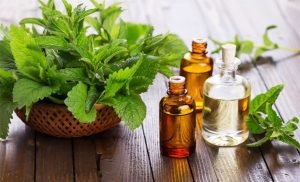
Tea Tree Essential Oil Tea tree oil is often referred to as “medicine cabinet in a bottle,” as it’s ..
-

13 surprising home remedies for acid reflux Before you reach for the heavy-duty, prescription-strength ..
-
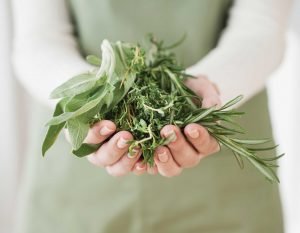
Great Burdock The root is used to treat ‘toxic overload’ that result in throat infections and skin ..