
-

1. Apples Are Nutritious A medium apple is equal to 1.5 cups of fruit. Two cups of fruit daily are recommended ..
-
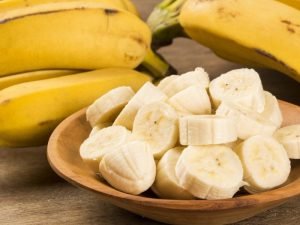
1.Bananas help overcome depression due to high levels of tryptophan, which is converted into serotonin ..
-

1. Beta carotene: Carrots are a rich source of this powerful antioxidant, which, among other vital uses, ..
-

Tinnitus in the ear can occur due to ear infections, various infections, perforation of the eardrum, ..
-
Comments Off on Pregnancy Calendar – Week 5 of Your Pregnancy

5-week pregnancy “Pregnancy calendar” at week 5: Your baby’s brain is developing. You may feel ..
-
Comments Off on Pregnancy Calendar – Week 4 of Your Pregnancy

4 weeks pregnancy “Pregnancy calendar” at 4th week: A miracle begins! Your baby, now consisting ..
-

Best foods to eat before a workout for maximum energy
Choosing the best foods to eat before a workout for maximum energy is less about finding one “superfood” and more about giving muscles readily available carbohydrate. Muscles and the brain rely on glucose for high-intensity effort, while stored glycogen helps carry activity through a session. A small, well-chosen meal can reduce the feeling of running out of steam and make training more comfortable.
Timing matters as much as the food. A meal eaten two to three hours before exercise has time to settle, while food immediately before training should be light and easy to digest. Individual tolerance, workout type and Australian conditions also matter, from a humid Sydney summer to a cool, changeable Melbourne morning.
How pre-workout food fuels exercise
Carbohydrate is the main fuel used during moderate to vigorous exercise. The body converts it into glucose and stores some as glycogen in the liver and muscles. When glycogen stores are low, fatigue may arrive sooner, especially during running, court sport, cycling or repeated strength sessions. Eating carbohydrate before exercise supports the fuel available for the session rather than relying primarily on fat.
Protein has a different role. It contributes to muscle repair and can make a pre-workout meal more satisfying, but it is not the principal source of rapid energy. Including a moderate amount alongside carbohydrate may help, particularly in a meal several hours before training. Very large portions of protein are rarely necessary before exercise and may leave some people feeling uncomfortable.
Fat and fibre influence digestion. Nuts, seeds, nut butter, avocado, high-fibre cereal and large portions of raw vegetables can slow gastric emptying if eaten close to training. A modest amount is useful earlier in the day because it supports fullness and meal balance. Large amounts close to exercise may cause cramping or nausea. Ripe fruit, refined or lightly processed grains and lower-fibre snacks are generally easier to tolerate immediately beforehand.
Australian shoppers can compare suitable products using the information on packaging. Under the Australia New Zealand Food Standards Code, most packaged foods must provide ingredient and allergen declarations, along with a Nutrition Information Panel showing kilojoules, or kJ, per serving and per 100 grams. The Health Star Rating offers a quick comparison, although the serving size, ingredient list and nutritional profile still deserve attention.
Foods that provide useful pre-workout energy
Bananas are one of the most convenient choices because they provide carbohydrate, potassium and a soft texture that is usually easy to digest. One medium banana works well on its own, while a larger banana can accompany toast or yoghurt for a more substantial meal. Other suitable fruits include ripe oranges, mandarins, kiwi fruit, grapes and watermelon. Portions close to training should reflect how much food the stomach tolerates.
Oats are useful for breakfast-based sessions. They release carbohydrate steadily and can be combined with banana, honey or milk for additional energy. Rolled oats or quick oats generally need less cooking time than traditional oats, which helps before an early gym appointment. Low-fibre cereal, ordinary breakfast cereal without excessive dried fruit, pancakes and muesli are other options. A spread of Marmite or Vegemite on toast adds flavour and carbohydrate without the higher fat content of butter or cream cheese, although people with wheat allergies need an alternative.
Bread, rice cakes and other grain products supply carbohydrate in portions that are easy to adjust. White or sourdough toast with honey, jam or a small amount of nut butter can work well, while rice cakes topped with banana or a thin layer of peanut butter offer a portable alternative. Grain-based foods fit neatly into a work lunchbox and are widely available at Woolworths, Coles and Aldi. Choosing a product with a short ingredient list and moderate fibre often feels lighter than one dense in nuts, seeds or chocolate.
Yoghurt, milk and cheese contribute protein, calcium and, in some varieties, useful carbohydrate. Plain Greek yoghurt with oats, berries or fruit can provide a balanced meal when there are a few hours before exercise. Flavoured yoghurt may contain more added sugar, which is not necessarily a problem if the total carbohydrate is appropriate. Those with lactose intolerance may tolerate lactose-free milk or yoghurt, while others do best with small portions or non-dairy alternatives.
Concentrated carbohydrate snacks offer another route. One or two dates, dried apricots, a small handful of raisins, a muesli bar or a sports drink can supply quick energy. Many sports drinks contain carbohydrate and fluid, making them potentially useful before longer or particularly demanding sessions. They are not essential for an ordinary 30-minute gym workout, where water and familiar food will usually be sufficient.
Choosing the right timing for your session
A meal two to four hours before exercise provides time for digestion and a larger serving of carbohydrate. Oatmeal with fruit and yoghurt, toast with eggs, a bowl of cereal, or a serving of rice with chicken are examples that combine carbohydrate with some protein. The aim is to arrive at training satisfied and energised, rather than overly full. Anyone training first thing can move part of breakfast earlier the night before or prepare oats in advance.
For a session in one to two hours, a smaller meal is usually more comfortable. A banana with yoghurt, two pieces of toast with honey, or a handful of rice crackers can supply enough readily available carbohydrate without creating a heavy sensation. This timing suits many lunchtimes and after-work sessions. If dinner is likely within an hour of training, the pre-workout meal can be smaller and the main meal can follow exercise.
During the final 30 to 60 minutes, many adults benefit from roughly 30 to 60 grams of carbohydrate, adjusted for body size, workout intensity and personal tolerance. A medium banana with one slice of toast, two rice cakes with honey, or a measured serving of sports drink are practical examples. People with sensitive stomachs may prefer half a banana or a smaller portion. A small amount of coffee or tea can also improve alertness for habitual caffeine users, although caffeine may cause jitteriness, reflux or disrupted sleep for some people.
Long endurance events create different requirements. A cyclist completing several hours in the heat or a runner entering a race may need additional carbohydrate during exercise and careful fluid planning. Daily carbohydrate intake then becomes important for maintaining glycogen stores. There is little need to “carb-load” for a normal resistance session or recreational game, and excessive carbohydrate can cause digestive discomfort if it is unfamiliar.
Portions, hydration and personal tolerance
There is no universal portion for every body. A smaller person training lightly may need less food than a larger athlete preparing for a hard session. Recent meals, hunger, stress and sleep also affect how much pre-workout food feels appropriate. Familiar foods are usually safer than trying a new high-fibre blend, unfamiliar sports supplement or large unfamiliar meal immediately before training.
Water supports circulation, temperature control and concentration. Drinking fluids in the hours before exercise helps avoid starting dehydrated, while sipping water during training limits the loss associated with sweat. A useful starting point is a glass of water with breakfast and regular sipping during the session. Some people take in around 150 to 250 millilitres shortly before exercise, but needs vary with weather and sweat rate. Pale yellow urine is a practical hydration guide for many adults, although vitamins and certain foods can alter urine colour.
Hot Australian conditions raise fluid needs. Brisbane summer training, a humid afternoon run in Sydney or an outdoor netball match can lead to substantial sweating. Water remains appropriate for many sessions, but electrolytes may be useful during prolonged activity or when sweat loss is heavy. Sports drinks can contribute sugar as well as fluid, so they should not be consumed simply by habit. Drinking excessive fluid without replacing sodium can also be uncomfortable and unsafe.
Food allergies and medical conditions deserve particular attention. Australian ingredient labels must declare major allergens such as milk, wheat, peanuts, tree nuts, egg and soy, making it easier to check bakery items, cereal bars and nut-based snacks. People managing diabetes, coeliac disease, food intolerances or other health conditions may need more individualised timing. Anyone following a prescribed eating plan or taking medication that affects glucose or hydration should follow advice from a qualified health professional.
Practical meals for everyday Australian schedules
An early gym session may call for food that can be prepared quickly. A banana and a glass of milk work for a short workout, while overnight oats with yoghurt and fruit provide more staying power. People who commute by train, bus or bicycle to a fitness studio can keep a portable snack such as a banana, rice cakes or a small muesli bar. Preparing it before leaving home prevents an unplanned purchase near the venue.
Melbourne’s changeable weather often produces sessions that move between indoors and outdoors. A portable toastie, yoghurt and fruit, or a bag of plain popcorn can be easier to manage than a hot meal bought just before training. Popcorn provides carbohydrate and some fibre, so a modest portion suits people accustomed to it. In cooler conditions, a warm oats-based breakfast may sit comfortably, while in warmer weather a lighter fruit-based option may feel better.
After-work training and weekend sport require planning around larger meals. Someone leaving the office for AFL, cricket, netball, touch football or a running club may eat a sandwich or roll a few hours beforehand, then have a banana or rice-cake snack closer to the game. If dinner will follow within an hour, that snack can be modest. For early Saturday matches, breakfast can include oats, cereal, toast and fruit, with a portable portion saved for the break.
Supermarkets such as Woolworths, Coles and Aldi provide familiar choices throughout Australia, including bananas, oats, yoghurt, bread, rice cakes and seasonal fruit. Comparing the kilojoules and serving size of similar cereal bars, sports drinks and breakfast products helps control portions without chasing claims on the front of the pack. Ingredient order matters too, and a product described as high in fibre, nuts or protein may be substantial but slow to digest before exercise.
The strongest pre-workout choices are familiar, carbohydrate-rich, moderate in fat and fibre, and paired with adequate fluid. Matching the portion to the length and intensity of the session produces a more reliable result than any single “best” food.
-

Tea Tree Essential Oil Tea tree oil is often referred to as “medicine cabinet in a bottle,” as it’s ..
-

13 surprising home remedies for acid reflux Before you reach for the heavy-duty, prescription-strength ..
-

Great Burdock The root is used to treat ‘toxic overload’ that result in throat infections and skin ..