
-
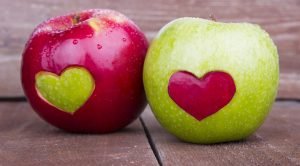
1. Apples Are Nutritious A medium apple is equal to 1.5 cups of fruit. Two cups of fruit daily are recommended ..
-
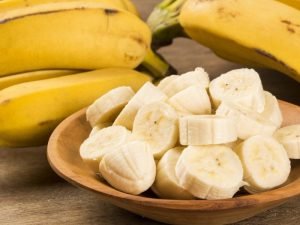
1.Bananas help overcome depression due to high levels of tryptophan, which is converted into serotonin ..
-
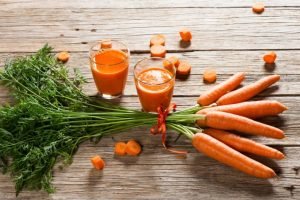
1. Beta carotene: Carrots are a rich source of this powerful antioxidant, which, among other vital uses, ..
-

Tinnitus in the ear can occur due to ear infections, various infections, perforation of the eardrum, ..
-
Comments Off on Pregnancy Calendar – Week 5 of Your Pregnancy

5-week pregnancy “Pregnancy calendar” at week 5: Your baby’s brain is developing. You may feel ..
-
Comments Off on Pregnancy Calendar – Week 4 of Your Pregnancy

4 weeks pregnancy “Pregnancy calendar” at 4th week: A miracle begins! Your baby, now consisting ..
-
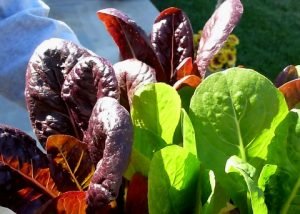
The best foods to support healthy hair growth
Hair is built mainly from keratin, a structural protein produced in the hair follicles. Its thickness and condition depend on genetics, hormones, scalp health, age and overall nutrition, so the most useful foods are those that supply a broad range of nutrients rather than one miraculous ingredient. A varied diet can help maintain a strong hair shaft, reduce brittleness and support normal growth when food intake falls short.
No particular food can reverse inherited hair thinning or overcome every cause of shedding. However, correctable deficiencies in iron, zinc, vitamin D and other nutrients can affect the growth cycle. Eating for hair becomes more useful when it supports an Australian-style balanced plate: plenty of vegetables, legumes, lean protein, whole grains, fruit and suitable sources of unsaturated fat.
Protein supplies the building blocks of strong hair
Hair follicles need amino acids to make keratin. When protein intake is consistently inadequate, the body may conserve protein for essential functions, and hair can become fine, brittle or prone to shedding. Severe deficiency is uncommon in Australia, but restrictive diets, illness and rapid weight loss can leave intake too low for good hair condition.
Practical protein foods include eggs, Greek yoghurt, fish, chicken, lean meat, tofu, beans and lentils. Eggs also provide biotin and other micronutrients, while combining lentils or beans with rice or bread creates a complete amino-acid profile. Greek yoghurt adds protein and may be eaten with oats, nuts and fruit for a filling breakfast or snack.
Protein does not have to come from expensive “hair growth” products. Woolworths, Coles and ALDI stock everyday choices such as frozen salmon, tinned sardines, eggs, lentils and yoghurt, with own-brand options often providing good value. An Australian breakfast described jokingly as a “billionaire’s brainstorm” may be visually indulgent, but its eggs still contribute useful protein rather than special hair-growing compounds.
Iron, zinc and vitamin B12 matter
Iron helps carry oxygen through the blood and supports the cellular activity involved in hair production. Low iron stores, particularly in people with heavy menstrual bleeding, digestive conditions or frequent blood donation, may be associated with increased shedding. More iron will not improve hair when stores are already adequate, and unnecessary supplements can cause harm.
Red meat, poultry, shellfish and dark leafy greens provide iron, while lentils, chickpeas and tofu are useful plant sources. Eating vitamin C-rich produce, such as citrus, tomatoes, capsicum and berries, improves absorption of iron from plant foods. Some Australian cereals are fortified with iron, but consumers still need to check labels because products vary.
Zinc contributes to protein synthesis and follicle function. Meat, oysters, eggs, seeds and nuts supply zinc, as do chickpeas, lentils and whole grains. Vitamin B12 is found naturally in animal foods and added to some fortified products, making it worth checking labels for people following a fully vegan diet. Unlike bread in some other countries, Australian flour is not routinely iron-fortified by law, so a varied diet remains important.
Omega-3 fats and vitamin D have roles
Omega-3 fats are incorporated into cell membranes and may help maintain a healthy scalp environment. Their evidence for increasing hair length is limited, but they support general health and can replace foods high in saturated fat. Salmon, trout, sardines and tuna are Australian standouts, while chia seeds, flaxseed and walnuts provide plant-based ALA, which the body converts only partially into EPA and DHA.
Vitamin D is involved in normal hair cycling, although the connection between low vitamin D and hair loss is complex. Australia’s sunny climate can help people maintain vitamin D through short periods of sun exposure on exposed skin, but seasons, clothing, indoor work and sunscreen use influence how much is produced. Fatty fish, eggs and some fortified dairy alternatives can contribute to dietary intake.
The Australian supplement aisle offers many products marketed for hair, nails and skin. Biotin is popular, yet true deficiency is rare and a high-dose supplement can interfere with thyroid and cardiac blood tests. Anyone taking biotin should tell their doctor and follow the dose on the product label. More supplement is not necessarily better, especially when a balanced diet already supplies adequate nutrients.
A practical Australian food guide
A useful approach is to build meals around a protein source, vegetables or fruit, a whole-grain carbohydrate and a source of unsaturated fat. This pattern supplies energy, amino acids, vitamins, minerals and healthy fats without requiring a separate collection of “hair foods.” It also works for people who eat the same core foods in different ways.
Foods that cover several hair-supporting needs at once can simplify weekly shopping:
- Eggs: Provide complete protein, biotin, zinc and choline, with the yolks supplying fat-soluble vitamins.
- Lentils and chickpeas: Add plant protein, iron, folate and fibre to soups, curries, salads and grain bowls.
- Tinned sardines or salmon: Offer protein, omega-3 fats, vitamin D and, depending on the product, calcium.
- Greek yoghurt: Supplies protein, calcium and vitamin B12, especially when paired with oats and fruit.
- Berries and citrus: Provide vitamin C, which supports iron absorption and contributes to antioxidant defence.
Shopping lists can then be adapted to seasonal produce, household budgets and familiar Australian meal habits:
- Add sardines to pasta or salad: Tinned fish is inexpensive, shelf-stable and more convenient than fresh fish for some households.
- Use frozen spinach and broccoli: Freezing preserves nutrients, reduces waste and makes vegetable portions easier to prepare.
- Pair lentils with vitamin C foods: A squeeze of lemon or a handful of tomatoes improves absorption of their plant-based iron.
- Choose fortified products carefully: Compare labels for added iron, B12 or vitamin D, as only some Australian products contain meaningful amounts.
- Avoid extreme food rules: Broad restriction can remove protein, iron and energy sources needed to maintain normal hair growth.
Weekly planning can make these choices more achievable. A batch of lentil soup, boiled eggs, overnight oats and a few tins of fish can provide several nutritious meals without repeating the same ingredients every day. Supplements, where appropriate, work best alongside this foundation rather than replacing it.
When hair loss needs more than food
Common causes of increased shedding include illness, childbirth, major stress, surgery, medication changes and rapid weight loss. A noticeable increase in shedding that persists for several months, bald patches, scalp inflammation, itching or pain deserves medical assessment. Sudden or uneven hair loss is not usually a nutritional problem that can be solved by changing one meal.
Pattern hair loss, often called androgenetic alopecia, is strongly influenced by genetics and hormones. It commonly affects the scalp while leaving the finer hairs around it, and dietary changes may support general health without reversing the inherited pattern. Thyroid disorders, iron deficiency and other conditions can resemble or worsen this process, so testing is more useful than assuming a vitamin is responsible.
Hair care also affects how hair feels and breaks. Gentle handling, avoiding repeated chemical processing and reducing tension from tight styles can protect an existing hair shaft, while washing frequency should match the person’s scalp oil and type. No food can replace appropriate treatment for dandruff, psoriasis or an infected follicle. Healthy hair ultimately reflects adequate nutrition, a functioning scalp, suitable care and the underlying health of the individual rather than the power of a single superfood.
-
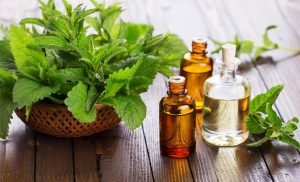
Tea Tree Essential Oil Tea tree oil is often referred to as “medicine cabinet in a bottle,” as it’s ..
-

13 surprising home remedies for acid reflux Before you reach for the heavy-duty, prescription-strength ..
-
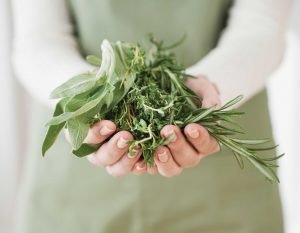
Great Burdock The root is used to treat ‘toxic overload’ that result in throat infections and skin ..