
-
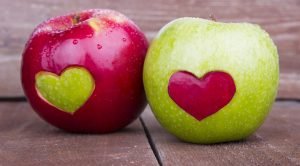
1. Apples Are Nutritious A medium apple is equal to 1.5 cups of fruit. Two cups of fruit daily are recommended ..
-
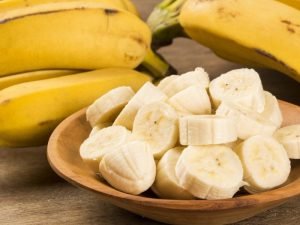
1.Bananas help overcome depression due to high levels of tryptophan, which is converted into serotonin ..
-

1. Beta carotene: Carrots are a rich source of this powerful antioxidant, which, among other vital uses, ..
-

Tinnitus in the ear can occur due to ear infections, various infections, perforation of the eardrum, ..
-
Comments Off on Pregnancy Calendar – Week 5 of Your Pregnancy

5-week pregnancy “Pregnancy calendar” at week 5: Your baby’s brain is developing. You may feel ..
-
Comments Off on Pregnancy Calendar – Week 4 of Your Pregnancy

4 weeks pregnancy “Pregnancy calendar” at 4th week: A miracle begins! Your baby, now consisting ..
-

The Best Fruits to Eat When You Are Trying to Lose Weight
Fruit can be a valuable part of a weight-loss eating pattern because it provides water, fibre, vitamins, minerals and naturally sweet flavour. It can make meals and snacks more satisfying without relying on confectionery, biscuits or sugary drinks. However, fruit is not a magic food for fat loss. The overall pattern of eating, portion sizes, activity, sleep and regular habits still matter.
The most useful choices are usually whole fruits that offer plenty of fibre for their kilojoule content. Fresh, frozen or canned fruit can all fit into a balanced diet, provided added sugars and oversized portions are kept in check. In Australia, seasonal produce varies widely between regions, so there is plenty of scope to choose affordable options throughout the year.
Why Whole Fruit Can Support Weight Loss
Whole fruit takes time to chew and digest, particularly when it has a firm texture or edible skin. Its fibre slows the movement of food through the digestive system and can help you feel satisfied after eating. The water content in foods such as oranges, watermelon and peaches also adds volume without contributing as many kilojoules as dense snack foods.
Fruit contains natural sugars, but these sugars are packaged with fibre and water. That makes whole fruit different from soft drinks, lollies and many sweetened fruit products. When fruit is blended into a smoothie or pressed into juice, it becomes easier to consume quickly, and some of the natural fibre structure is reduced. Eating a piece of fruit is generally more filling than drinking the equivalent amount.
The best fruit for a weight-loss diet is therefore one you enjoy, can buy regularly and can use in place of a less nutritious snack. A medium apple, a pear, two small mandarins or a cup of berries can be practical choices between meals. Pairing fruit with Greek yoghurt, cottage cheese or a small amount of nuts can make a snack more substantial by adding protein or healthy fats.
Berries, Apples And Pears
Berries are often an excellent option because they provide strong flavour, fibre and a relatively low energy density. Strawberries, raspberries, blackberries and blueberries work well with plain yoghurt, porridge or chia pudding. Frozen berries are useful when fresh varieties are expensive or out of season, which can happen in Australian supermarkets. Choose plain frozen fruit rather than products coated in syrup or mixed with added sugar.
Apples and pears are convenient, portable and generally easy to portion. Their firm texture encourages slower eating, while the skin contributes fibre when washed properly. A sliced apple with a thin spread of peanut butter can be more satisfying than an apple juice drink, though the nut butter should remain a modest serving because it is energy dense.
Australian shoppers may find good value at a local greengrocer, farmers market or supermarket when produce is in season. Pink Lady, Granny Smith and Royal Gala apples are widely available, while pears such as Packham and Williams suit different times of the year. Buying a few varieties can prevent boredom without requiring highly processed snack foods.
Citrus, Kiwi And Melons
Oranges, mandarins, grapefruit and other citrus fruits contain water, fibre and vitamin C. They are convenient for work lunches and school bags because mandarins need little preparation. Eating the whole segments is more filling than drinking juice. Citrus can also add sweetness and acidity to salads, yoghurt or a bowl of oats without requiring syrup.
Kiwifruit is small but nutrient-rich and provides fibre, vitamin C and a distinctive tart flavour. Some people eat the skin after washing it, while others prefer to scoop out the flesh. It can be combined with plain yoghurt or used to add variety to a fruit salad. Passionfruit is another useful flavour enhancer; a spoonful over yoghurt or porridge may make a simple meal feel more satisfying.
Watermelon, rockmelon and honeydew contain a high proportion of water, which can be refreshing during a hot Australian summer. They are easy to overeat because they are light and sweet, so serving a bowl rather than eating directly from a large cut melon can help with awareness. Melon is particularly useful alongside a protein-rich food, since melon alone may not keep hunger away for long.
Bananas, Stone Fruit And Tropical Choices
Bananas are sometimes avoided during weight loss, but there is no need to remove them automatically. A small or medium banana supplies carbohydrate, fibre and potassium, making it useful before exercise or as an addition to breakfast. Large bananas contain more kilojoules, so size matters. Sliced banana with oats and yoghurt can be more balanced than a large banana-based smoothie containing several additional ingredients.
Stone fruits such as peaches, nectarines, plums, apricots and cherries offer natural sweetness and seasonal variety. They are easy to eat whole and can replace desserts or packaged snack bars. Cherries are nutritious but relatively easy to consume by the handful, so placing a measured portion in a bowl is more helpful than eating from a large bag.
Mangoes, papaya and pineapple can also fit into a weight-loss plan. Their tropical flavour may help satisfy a craving for dessert, particularly when paired with plain yoghurt. In northern Australia and Queensland, mangoes are a familiar seasonal favourite, but their availability and price change quickly. Enjoying them as whole fruit is different from drinking a large mango smoothie with juice, honey and multiple pieces of fruit.
For broader guidance on nutrition and everyday wellbeing, readers can also explore practical health resources alongside advice from qualified Australian health professionals. Online information is most useful when it supports sensible habits rather than promising rapid results from a single food.
Portion Sizes And The Form Of Fruit
A common problem is assuming that a food is automatically weight-loss friendly in unlimited amounts. Dried fruit illustrates this clearly. Removing water makes raisins, dates, sultanas and dried apricots much more concentrated, so a small handful can contain considerably more kilojoules than the original fruit. Dried fruit can be included, but it is better measured and combined with foods such as unsweetened cereal or yoghurt.
Fruit juice is another concentrated option. Even juice labelled 100 per cent fruit juice contains naturally occurring sugar and very little of the chewing experience provided by whole fruit. Australian dietary guidance generally favours whole fruit, with juice treated as an occasional drink rather than a routine replacement for water. A whole orange is usually a more filling choice than a glass of orange juice.
Canned fruit can be convenient and affordable, especially when fresh produce is costly or when someone has limited storage. Choose fruit canned in natural juice or water, drain it well and check the label for added sugar. Frozen fruit is similarly practical and can reduce waste. There is no nutritional need to choose an expensive “detox” product or a specially marketed fat-burning fruit.
A useful approach is to spread fruit across the day instead of saving several servings for one sitting. Add berries to breakfast, choose an apple for an afternoon snack and include citrus or melon with a meal. The exact amount depends on age, activity, hunger, medical needs and the rest of the diet, but fruit works best as part of meals that also include vegetables, protein-rich foods and minimally processed carbohydrates.
Building Fruit Into An Australian Eating Pattern
Breakfast might include rolled oats with berries, a sliced banana with wholegrain toast, or plain yoghurt with kiwi and a small amount of muesli. At lunch, an orange or pear can sit alongside a sandwich, salad and a source of protein. These combinations help avoid the cycle of eating fruit alone, feeling hungry soon afterwards and then reaching for high-kilojoule convenience food.
For an afternoon snack, keep washed apples, mandarins or nectarines visible and ready to eat. A container of frozen berries can be useful at home, while a banana travels well in a work bag. In warmer areas such as Brisbane, Darwin or Perth, cut fruit should be kept chilled and should not remain in the heat for long. Basic food safety is particularly important for packed lunches and outdoor gatherings.
Fruit can also replace part of a dessert without turning every meal into a restriction. Try baked pear with cinnamon, grilled peach with yoghurt or fresh berries over a small serving of reduced-sugar custard. At a barbecue, fruit salad can provide a lighter option alongside heavier foods, while a few pineapple pieces can add sweetness to a savoury meal.
Sustainable weight loss comes from choosing food that is enjoyable, filling and realistic to maintain. Whole fruit can help because it offers sweetness and nutrition in a simple form, yet it still deserves sensible portions. The most effective choices are the fruits that fit your budget, culture, season and routine while helping you eat fewer highly processed snacks overall.
-

Tea Tree Essential Oil Tea tree oil is often referred to as “medicine cabinet in a bottle,” as it’s ..
-

13 surprising home remedies for acid reflux Before you reach for the heavy-duty, prescription-strength ..
-

Great Burdock The root is used to treat ‘toxic overload’ that result in throat infections and skin ..