
-

1. Apples Are Nutritious A medium apple is equal to 1.5 cups of fruit. Two cups of fruit daily are recommended ..
-
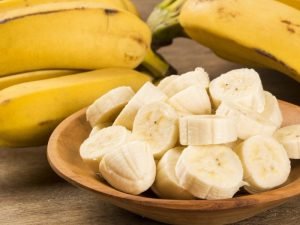
1.Bananas help overcome depression due to high levels of tryptophan, which is converted into serotonin ..
-
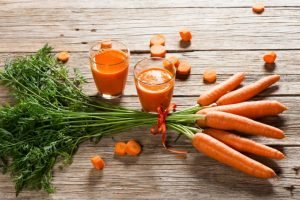
1. Beta carotene: Carrots are a rich source of this powerful antioxidant, which, among other vital uses, ..
-

Tinnitus in the ear can occur due to ear infections, various infections, perforation of the eardrum, ..
-
Comments Off on Pregnancy Calendar – Week 5 of Your Pregnancy

5-week pregnancy “Pregnancy calendar” at week 5: Your baby’s brain is developing. You may feel ..
-
Comments Off on Pregnancy Calendar – Week 4 of Your Pregnancy

4 weeks pregnancy “Pregnancy calendar” at 4th week: A miracle begins! Your baby, now consisting ..
-
The Best Herbal Teas for Better Digestion After Heavy Meals
A large meal can leave the stomach feeling stretched, sluggish or unsettled. Rich sauces, fried foods, creamy desserts, fizzy drinks and alcohol may contribute to bloating, burping, reflux or abdominal discomfort, particularly when eaten quickly or late at night. A warm herbal infusion can be a gentle way to settle into the evening, although it cannot undo overeating or treat an underlying digestive condition.
For many Australians, this means reaching for a cuppa after a barbecue, Sunday roast or festive meal. Herbal teas are widely available in supermarkets such as Coles and Woolworths, health-food shops and pharmacies, making them an accessible home remedy. The most suitable choice depends on the symptom, your health history and the ingredients in the blend.
Why Heavy Meals Feel Uncomfortable
Digestion begins in the mouth and continues as food moves through the stomach and intestines. A particularly large meal requires more time for the stomach to empty. High-fat foods generally digest more slowly, while large amounts of onion, garlic, legumes or carbonated drinks may increase gas for some people. Eating rapidly can also lead to swallowed air, which adds to a tight or bloated feeling.
Heartburn is slightly different from ordinary fullness. It occurs when stomach contents move back towards the oesophagus, creating a burning sensation behind the breastbone or a sour taste. Lying down soon after dinner can make reflux more noticeable. Herbal tea may provide comfort, but persistent heartburn, vomiting, black stools, unexplained weight loss or severe pain needs medical attention.
A warm drink may help someone relax after eating, and some herbs can influence intestinal muscle activity or gas movement. The effect is usually modest rather than dramatic. Think of tea as a supportive part of a digestive routine, alongside slower eating, smaller portions and a short gentle walk.
Peppermint For Bloating And Gas
Peppermint tea is one of the most popular choices for post-meal bloating. Its natural menthol compounds may relax some intestinal muscles, which can help gas pass more comfortably and reduce the sensation of cramping. The refreshing flavour also makes it appealing after rich or oily food, when a sweet dessert or another heavy drink may feel unappealing.
Peppermint is best suited to people whose main complaint is wind, abdominal fullness or mild intestinal spasms. Use a peppermint tea bag or about one teaspoon of dried leaves in hot water, then steep for five to ten minutes. Drinking it slowly after the meal is generally more comfortable than consuming a very large mug quickly.
People who experience reflux should be cautious. Peppermint can relax the valve between the stomach and oesophagus in some individuals, potentially worsening heartburn. If a mint tea causes burning, sour regurgitation or a cough after meals, discontinue it and choose a non-mint option instead.
Ginger For Slow Digestion
Ginger tea has a warming, spicy flavour and is traditionally used for nausea, queasiness and digestive discomfort. Research suggests ginger may support stomach motility, meaning it could help food move through the stomach more efficiently. It may be useful after a meal that leaves you feeling unusually full, particularly when mild nausea is present.
To prepare it at home, steep several thin slices of fresh ginger in hot water for ten minutes. A squeeze of lemon can brighten the flavour, although acidic additions may aggravate reflux in sensitive people. Ginger tea bags are convenient for the office or for an arvo drink, but check the label because some blends contain substantial amounts of black tea, caffeine or added sugar.
Ginger is not suitable for everyone in large amounts. People taking blood-thinning medicines, those with gallstones, and individuals preparing for surgery should discuss regular concentrated ginger products with a doctor or pharmacist. Ordinary culinary quantities are generally well tolerated, but a strong daily brew may cause heartburn or stomach irritation in some people.
Fennel And Chamomile For Comfort
Fennel tea has a mild liquorice-like taste and is traditionally used for gas, cramping and abdominal fullness. Its aromatic compounds may help relax the digestive tract, although evidence for herbal teas varies and effects differ from person to person. Fennel can be a useful caffeine-free option after a large meal when peppermint does not suit you.
Chamomile is valued for its calming qualities as well as its traditional use for mild digestive upset. A cup after dinner may be especially helpful when stress, hurried eating or poor sleep seems to worsen stomach symptoms. Relaxing before bed can also discourage late-night snacking and give the body time to digest before lying down.
Avoid chamomile if you have had an allergic reaction to plants in the daisy family, such as ragweed, chrysanthemums or marigolds. Fennel may also be unsuitable for people with certain allergies or hormone-sensitive conditions. Herbal products can vary in strength, so follow the preparation directions rather than assuming that a stronger infusion will work better.
Dandelion And Other Digestive Bitters
Dandelion root tea is sometimes marketed as a “detox” or digestive tonic. Its bitter taste may stimulate saliva and digestive secretions, and some people enjoy it after a rich meal. However, claims that it cleanses the liver or removes toxins are often overstated. The liver and kidneys already process waste efficiently, and dandelion tea should not be presented as a cure for overeating.
Bitter herbal blends may contain gentian, artichoke leaf or other ingredients. These products can be unsuitable for people with gallstones, bile duct obstruction, stomach ulcers or reflux. They may also interact with prescription medicines, including some medicines affected by liver enzymes or fluid balance.
When choosing a packaged tea in Australia, read the ingredient panel rather than relying only on front-of-pack language. “Natural” does not automatically mean risk-free, and blends sold as supplements may contain more concentrated extracts than ordinary tea bags. A pharmacist can help check possible interactions, particularly if you take regular medicines.
Preparing Tea For Gentle Digestion
Water temperature, steeping time and portion size all influence the experience. Most herbal teas can be covered with freshly boiled water and steeped for five to ten minutes. Covering the cup helps retain volatile aromatic compounds. Start with one cup and sip it slowly rather than drinking several large servings immediately after eating.
A warm infusion should complement, not replace, sensible meal habits. Remaining upright for two to three hours may reduce reflux, while a relaxed ten-minute walk around the block can support comfortable movement after dinner. During an Australian summer, remember that tea still contributes fluid, but it should not replace cool water after time outdoors or heavy sweating.
Sweetening tea with several teaspoons of sugar can add to the heaviness of a meal. If flavour is a concern, try fresh ginger, a small amount of lemon, cinnamon or a naturally mild blend. People who are sensitive to caffeine should check for green tea, black tea, yerba mate or guarana in mixed products, especially when drinking tea in the evening.
Choosing A Tea Safely
Herbal tea is usually a comfort measure rather than a treatment. If discomfort happens often, it is worth considering constipation, food intolerance, coeliac disease, irritable bowel syndrome, gallbladder disease or reflux rather than repeatedly masking symptoms. Severe or sudden abdominal pain, fever, persistent vomiting, difficulty swallowing or blood in the stool requires prompt medical assessment.
Pain can also become more complicated when the nervous system remains highly sensitive after illness or injury. Educational information about understanding pain signals may help explain why the intensity of discomfort does not always match the amount of digestive irritation. This does not mean abdominal symptoms are imaginary; it highlights why recurring pain deserves an individual assessment.
Pregnant people should take extra care with concentrated herbal products. Some common kitchen herbs are used safely in food but have limited safety evidence in medicinal quantities. During pregnancy or breastfeeding, ask a midwife, GP or pharmacist before using strong ginger preparations, dandelion blends or multi-herb products. In Australia, a TGA-listed product still needs to be used according to its label and does not guarantee that it is right for every person.
Practical Ways To Enjoy A Digestive Tea
The best tea is the one that matches your symptoms and does not create new ones. Peppermint may suit gas but aggravate reflux; ginger may help nausea but feel too spicy for an irritated stomach; chamomile may be calming but unsuitable for people with particular allergies. Keeping a brief note of meals, symptoms and tea choices can reveal personal patterns.
Use these simple habits to make a post-meal herbal drink more comfortable:
- Choose peppermint for mild bloating or gas, unless mint tends to trigger heartburn.
- Try fresh ginger for queasiness or a sluggish, overly full feeling.
- Select fennel for a caffeine-free option when cramping and wind are the main concerns.
- Use chamomile when digestive discomfort appears alongside tension or difficulty settling at night.
- Avoid “detox” blends with long ingredient lists and check for medicines that may interact with herbs.
- Drink one moderate cup slowly, remain upright and allow time for digestion before having more.
- Seek medical advice for repeated symptoms, severe pain, reflux that persists or any warning signs.
A herbal tea can make the period after a heavy meal feel calmer, especially when paired with mindful eating and light movement. It should be viewed as a gentle aid, not a shortcut for a balanced diet or professional care. Simple peppermint, ginger, fennel or chamomile preparations are often the most practical starting points, while individual tolerance should guide the final choice.
-
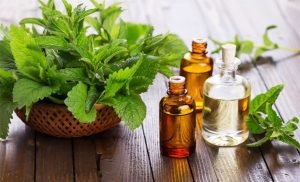
Tea Tree Essential Oil Tea tree oil is often referred to as “medicine cabinet in a bottle,” as it’s ..
-

13 surprising home remedies for acid reflux Before you reach for the heavy-duty, prescription-strength ..
-
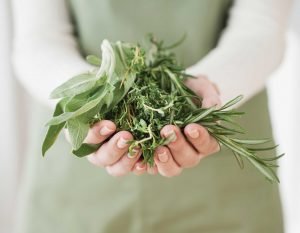
Great Burdock The root is used to treat ‘toxic overload’ that result in throat infections and skin ..