
-

1. Apples Are Nutritious A medium apple is equal to 1.5 cups of fruit. Two cups of fruit daily are recommended ..
-

1.Bananas help overcome depression due to high levels of tryptophan, which is converted into serotonin ..
-
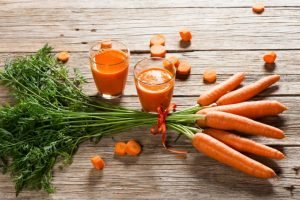
1. Beta carotene: Carrots are a rich source of this powerful antioxidant, which, among other vital uses, ..
-

Tinnitus in the ear can occur due to ear infections, various infections, perforation of the eardrum, ..
-
Comments Off on Pregnancy Calendar – Week 5 of Your Pregnancy

5-week pregnancy “Pregnancy calendar” at week 5: Your baby’s brain is developing. You may feel ..
-
Comments Off on Pregnancy Calendar – Week 4 of Your Pregnancy

4 weeks pregnancy “Pregnancy calendar” at 4th week: A miracle begins! Your baby, now consisting ..
-
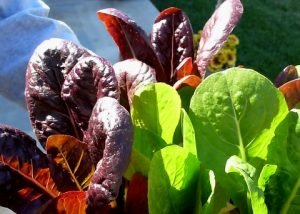
The Best Herbs to Plant for a Medicinal Home Garden in Small Spaces
A windowsill in a Sydney high-rise, a narrow courtyard in Melbourne's inner west, or a sunny porch in Brisbane — these compact spots hold surprising potential for anyone wanting to grow their own healing botanicals. Even with only a square metre of usable space, it's possible to cultivate a working apothecary that supplies fresh teas, poultices, and culinary remedies throughout the year.
Medicinal herbs differ from ornamental plants because they offer tangible, repeatable health benefits. A handful of chamomile flowers steeped in hot water can ease an unsettled stomach, while a sprig of thyme brewed into a steam can help clear sinuses during winter. Growing them at home means you control what goes into the soil and onto the leaves, avoiding the waxed, long-distance-shipped bunches that dominate supermarket shelves in Australian cities.
This guide is designed for renters, apartment dwellers, and anyone working with a tight footprint. The herbs chosen suit Australia's varied climate zones, from the subtropical humidity of coastal Queensland to the dry Mediterranean summers of Perth and Adelaide. Whether you want a calming evening tea, a digestive bitter, or a first-aid poultice, a few well-chosen pots can deliver more than many people expect.
Planning Your Medicinal Herb Garden for Australian Conditions
Before choosing plants, take an honest look at your microclimate. A north-facing balcony in Hobart receives far less light than a west-facing courtyard in Darwin during the wet season. Most culinary and medicinal herbs prefer at least four to six hours of direct sun, which makes unshaded verandahs, rooftop terraces, and front stoops the most reliable spots. In dense inner-Sydney suburbs like Surry Hills or Redfern, where neighbouring buildings cast long shadows, growers often rely on reflected light from pale walls.
Water availability matters too. Parts of Melbourne and Adelaide operate under permanent water-saving rules, which restrict handheld watering during daylight hours. Choosing drought-tolerant species, mulching pots with pebbles or coconut coir, and grouping thirsty herbs together reduces how often you need to reach for the hose. A simple rain gauge or moisture meter — both stocked at Bunnings Warehouse — helps prevent the overwatering that kills more balcony herbs than drought ever does.
Container size is the next consideration. Most perennial medicinal herbs send out extensive root systems and dislike cramped quarters. A pot at least 25 centimetres deep suits most species, while larger shrubs like lemon verbena appreciate a half-wine-barrel planter. Lightweight resin or fibreglass containers make sense on upper-floor balconies where weight limits apply, whereas terracotta breathes beautifully and suits the dry air found in many Adelaide courtyards.
Foundational Culinary Herbs with Healing Actions
Some of the most useful medicinal plants are the same ones already growing in kitchen gardens across the country. Rosemary is hardy from Tasmania to the subtropics, tolerates poor soil, and offers a generous harvest of aromatic leaves used in steam inhalations and hair rinses. A single plant in a terracotta pot can supply a household for years, provided it gets full sun and isn't kept waterlogged.
Thyme is another quiet workhorse. The varieties sold as common thyme contain thymol, a compound long valued for its antimicrobial properties. A pot of creeping thyme spilling over the edge of a balcony rail looks attractive and provides fresh sprigs for sore throats, sluggish digestion, and slow-cooked winter dishes. Growers in humid Brisbane should site thyme where air circulates freely to discourage fungal problems.
Mint deserves a separate mention because its reputation for invasiveness is well earned. Sink a pot of mint into a larger container, or grow it alone in its own window box, because its runners will quickly smother slower neighbours. Spearmint and peppermint both calm digestive upsets, and a fresh-leaf tea brewed from leaves picked just before flowering delivers the strongest flavour. In the cooler months of a Melbourne winter, mint dies back but reliably returns from the roots in spring.
Calendula, though not technically a culinary herb, earns its place in any medicinal collection. Its bright orange petals soothe minor skin irritations when infused into oil, and a tea made from dried flowers supports lymphatic circulation. Calendula thrives in most Australian climates, flowering generously from spring through autumn in temperate zones and year-round in frost-free regions.
Native Australian Botanicals Worth Growing
Australia's native flora offers an underused larder of medicinal plants well suited to local gardens. Lemon myrtle grows into a small tree in the ground, but stays compact in a large container and rewards growers with leaves that carry an intense citrus aroma. Steeped fresh or dried, the leaves make a calming tea rich in citral, a compound studied for its antimicrobial effects. Trees tolerate light frost once established and suit coastal gardens from Coffs Harbour down to Geelong.
Native peppermint and river mint tolerate shadier balconies better than their European cousins, an advantage for gardeners working with east-facing walls. Both work as digestive aids and breath fresheners, and their soft, slightly fruity flavour pairs well with native lemongrass for an Australian twist on herbal tea. In Brisbane and the Gold Coast hinterland, these mints thrive without fuss.
Anise myrtle deserves a mention for anyone who enjoys aniseed or star anise flavours. Its leaves contain anethole, the same compound that gives European anise its characteristic taste, and it grows well in a deep container positioned against a sunny wall. Smaller native species, such as sea parsley and warrigal greens, also offer nutritional and culinary benefits, though they suit outdoor garden beds more than balcony pots.
One honest caveat with native bush-food plants: many were traditionally gathered rather than cultivated, and sourcing seed or seedlings from responsible native nurseries supports regeneration projects. Several community plant nurseries in Melbourne, Sydney, and Perth run workshops on growing bush foods and supply ethically propagated stock.
Containers, Soil and Light in Tight Spaces
A quality potting mix sets the foundation for healthy herbs. Standard garden soil compacts in containers and harbours pathogens, while a bark-based mix with added perlite or coarse sand drains freely. Most medicinal herbs dislike wet feet, so a pot with several drainage holes matters more than decorative styling. A layer of gravel or broken terracotta over the drainage holes prevents the mix from washing out.
Light availability often determines what will thrive. In a north-facing courtyard in Perth, rosemary, lavender, and sage flourish with minimal intervention. In a south-facing courtyard in Hobart, the same plants sulk. Shade-tolerant options include mint, lemon balm, parsley, and chives — all useful medicinally and forgiving of lower light. A simple rotation of pots each season lets you chase the sun as the angle shifts through the year.
Vertical gardening opens up new real estate. Pocket planters attached to a fence, tiered plant stands, and wall-mounted herb pockets let you stack herbs in a single square metre. Many Melbourne and Brisbane apartment dwellers have turned narrow side passages into productive herb walls using recycled timber pallets lined with landscape fabric. For renters worried about fixing things to walls, freestanding ladder shelves work just as well.
Feeding container-grown herbs requires restraint. Overfertilising promotes lush leaf growth at the expense of the aromatic oils that give medicinal herbs their potency. A monthly dose of liquid seaweed or worm-tea during the growing season keeps plants healthy without diluting their medicinal value. Slow-release pellets formulated for herbs are another low-fuss option found at most Australian garden centres.
Harvesting, Drying and Storing Your Herbs
Knowing when and how to harvest makes the difference between a fragrant pantry and a drawer of dusty disappointment. Pick leafy herbs in the morning after dew has dried but before the sun has intensified the oils. Flowering tops — chamomile, lavender, calendula — are best harvested just as the buds open, when the active constituents peak.
Drying works well in Australia's dry inland climate but can be tricky in humid coastal regions. A dark, well-ventilated shed, a clothes-drying cabinet with a small fan, or a purpose-built herb dryer all produce reliable results. Bundles of stems hung upside down lose moisture within a week during Adelaide summers. In Brisbane's wet season, a low oven set to 35°C with the door ajar finishes the job without cooking the leaves.
Storing dried herbs in glass jars away from direct sunlight preserves their colour and potency for up to a year. Labelling each jar with the harvest date prevents the common problem of finding mystery jars from three summers ago. For longer storage, tinctures made with food-grade alcohol capture water-soluble constituents that dried herbs lose, and they keep for several years in a cool cupboard.
Sharing excess harvest with neighbours, local swap events, or community garden days extends the life of your herbs and the social fabric of your street. Many Brisbane and Sydney suburbs host monthly plant and produce swaps where balcony growers exchange surplus cuttings and seedlings.
Avoiding Common Pitfalls on Small-Space Herb Gardens
Overcrowding is the most common mistake. Herbs need airflow to discourage fungal disease, particularly in humid subtropical climates where black spot and powdery mildew arrive quickly. Resist the urge to plant five species in one pot; instead, give each herb its own container or group only those with similar water needs.
Ignoring the botanical name on the label leads to confusion. Common names like "thyme" cover dozens of species with different essential-oil profiles. When a recipe calls for thyme as a respiratory remedy, common thyme is the intended plant, not the ornamental varieties sold for edging. Reading the Latin name on the tag at the nursery prevents this mistake.
Neglecting seasonal rhythms leaves growers disappointed. Many Mediterranean herbs slow down or go dormant during the hottest weeks of an Australian summer, particularly inland. Rather than fighting this, accept that some plants look tired in February and revive with the cooler nights of March. Bringing sensitive species into a partly shaded spot during heatwaves prevents sunburn on leaves.
Choosing herbs you won't actually use leads to guilt and waste. Pick plants whose flavours and remedies genuinely fit your household. A tea-drinking family benefits from chamomile, lemon balm, and peppermint; a household interested in skin care might focus on calendula, lavender, and comfrey, which is for external use only. Honest selection keeps the garden useful, and the gardener handles it like a kitchen garden rather than a showpiece. For questions about specific plant safety during pregnancy or interactions with prescribed medications, email our gardening editors for guidance tailored to your situation.
-
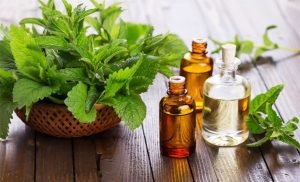
Tea Tree Essential Oil Tea tree oil is often referred to as “medicine cabinet in a bottle,” as it’s ..
-

13 surprising home remedies for acid reflux Before you reach for the heavy-duty, prescription-strength ..
-
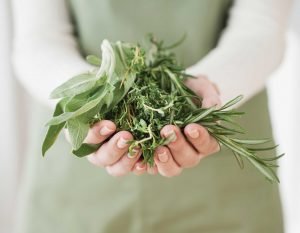
Great Burdock The root is used to treat ‘toxic overload’ that result in throat infections and skin ..