
-

1. Apples Are Nutritious A medium apple is equal to 1.5 cups of fruit. Two cups of fruit daily are recommended ..
-
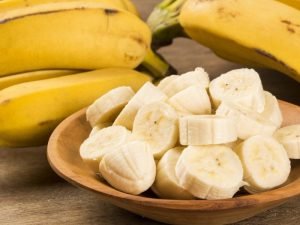
1.Bananas help overcome depression due to high levels of tryptophan, which is converted into serotonin ..
-
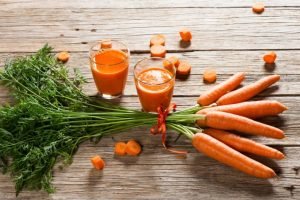
1. Beta carotene: Carrots are a rich source of this powerful antioxidant, which, among other vital uses, ..
-

Tinnitus in the ear can occur due to ear infections, various infections, perforation of the eardrum, ..
-
Comments Off on Pregnancy Calendar – Week 5 of Your Pregnancy

5-week pregnancy “Pregnancy calendar” at week 5: Your baby’s brain is developing. You may feel ..
-
Comments Off on Pregnancy Calendar – Week 4 of Your Pregnancy

4 weeks pregnancy “Pregnancy calendar” at 4th week: A miracle begins! Your baby, now consisting ..
-

The best plant-based protein sources for building muscle
Plant-based diets can support muscle growth when they are planned around protein, energy and resistance training. The key is to treat protein as part of a repeatable meal pattern rather than searching for one supposedly superior food. Soy, legumes, grains, seeds and fortified plant milks can build a strong foundation, but quantities and daily consistency matter more than marketing claims.
For Australians, that means reading labels in kilojoules, managing gym sessions around work and commuting, and choosing foods available at Woolworths, Coles, Aldi, Costco and local Asian grocers. This guide sets out practical portions, useful combinations and realistic shopping choices for people who want to build muscle without animal products.
How much protein muscles need for growth
The standard protein reference for a healthy, sedentary adult is about 0.8 grams per kilogram of body weight per day, but that figure mainly covers basic maintenance. People doing regular resistance training often use roughly 1.2–2.0 g/kg/day, depending on their goals, training load and recovery. A plant-based target around 1.4–1.8 g/kg/day can be a useful starting point for many active adults, adjusted according to hunger, progress and professional advice.
Distribution helps the body use protein for muscle repair. Instead of a small amount at breakfast followed by one very large dinner, aim for about 25–40 grams at three to five meals. Research on plant-based athletes suggests that a serving near 0.3 g/kg of body weight can stimulate muscle protein synthesis. For a 70 kg person, that means approximately 20–30 grams, with larger portions potentially useful after demanding training.
More protein does not automatically create more muscle. Resistance exercise, adequate energy and sleep remain essential, particularly during a calorie deficit. A 70 kg adult aiming for 1.6 g/kg would need about 112 grams daily, which might come from 25–35 grams at each meal and a smaller snack. People with kidney disease, a history of disordered eating or another medical condition should seek individual advice from an accredited dietitian before increasing protein.
Which plant foods provide the most useful protein
Soy is the strongest all-round plant protein choice. It provides all nine essential amino acids, including useful amounts of leucine, and is the most extensively studied plant protein for supporting muscle protein synthesis. Firm tofu and tempeh generally offer around 15–22 grams of protein per 100 grams, while cooked edamame supplies roughly 17 grams per cup. Tempeh’s fermented format makes it especially useful for flavour and versatility, although sodium levels vary widely.
Lentils, chickpeas, split peas and beans are inexpensive, shelf-stable sources of protein and fibre. A cooked cup of lentils or chickpeas usually contains around 14–18 grams, making them useful in soups, curries and salads. Their leucine content is lower than soy’s, but daily variety and slightly larger portions can compensate. Canned beans are convenient, and draining and rinsing them helps reduce added salt.
Seitan, made from wheat gluten, can provide roughly 20–25 grams per 100 grams and works well in stir-fries or wraps. It contains gluten and is often high in sodium, so it deserves a supporting role rather than the centre of every plate. Seitan is also relatively low in lysine, making soy or legume combinations especially useful.
Whole grains, seeds and nuts contribute smaller amounts that can complete the day. Oats, quinoa, buckwheat and whole-grain bread add a few grams per serving, while pumpkin seeds and mixed nuts add roughly 5–10 grams per small handful. Every plant meal does not need to contain a “complete” protein; varied sources across the day can provide the amino acids needed for recovery.
Reading protein labels in the Australian market
Australian packaged food must follow Food Standards Australia New Zealand labelling rules, including an ingredients list, allergen information and a Nutrition Information Panel. The panel usually uses kilojoules rather than Calories, and values may be stated per serving or per 100 grams. Comparing like with like prevents a small “serving” from making a protein-rich product look more economical than it is.
Allergen labelling deserves particular attention for people combining soy and wheat proteins. Soy, wheat, sesame and tree nuts are among the allergens that must be clearly identified, while food businesses must maintain controls for storage, cleaning and production. If an ingredient is unfamiliar, checking the full panel and manufacturer information is safer than guessing from a front-of-pack design.
The Health Star Rating provides a front-of-pack summary under FSANZ rules. It is voluntary for most packaged products and required for food service businesses. It is not a protein score and does not show whether a food suits muscle building. In supermarkets such as Coles and Woolworths, the best workflow is to check grams of protein per serving and then consider sugar, sodium and the rest of the meal.
Melbourne, Sydney and Brisbane have extensive Asian grocery networks, often offering tofu, tempeh, dried beans and inexpensive noodles unavailable in the standard supermarket aisle. Read labels because soy-protein drinks and convenience products can contain much less protein than whole soy foods. Buying dry legumes, larger blocks of tofu or bulk grains is usually better value than novelty protein bars.
Fitting protein into an Australian daily routine
A useful Australian routine begins with a protein-containing breakfast, especially for people rushing to work with only a coffee stop. Overnight oats with soy yoghurt, beans on wholegrain toast or a tofu scramble can supply roughly 20–30 grams. Preparing two breakfast options on Sunday makes this less dependent on a takeaway order or an impulse purchase at the station.
Around training, ordinary meals matter more than a narrow post-workout window. Eating a protein-rich meal within a few hours after a session is practical, especially when the next meal is several hours away. Beans with rice, tempeh noodles or seitan and vegetables provide protein, carbohydrate and fluid without requiring a separate shake.
Batch cooking supports consistency without turning every lunch into the same dish. Cook a tray of pumpkin, chickpeas and sweet potato, keep cooked lentils in the fridge, and vary sauces with tahini, ginger, tomato and herbs. In hot weather, chilled bean and quinoa salads or tofu soba-style bowls may be easier to tolerate, while warm soups can suit cooler months.
Downtime can include gaming, and leisure habits benefit from clear boundaries. For anyone using casino-style games during a commute or at home, understanding jackpot symbol mechanics can clarify a game’s features; firm time and spending limits can prevent that entertainment from displacing food preparation, sleep or training.
A practical protein shopping and meal guide
Start with foods that can appear in several meals, then buy smaller amounts of higher-cost powders only if needed. Protein figures vary between brands, preparation methods and serving sizes, so the packet remains the most reliable guide.
The fridge and pantry can begin with:
- Firm tofu and tempeh: Usually 15–22 g of protein per 100 g; check the packet because water content and added starch change the result.
- Edamame and frozen soy: A cooked cup of edamame provides about 17 g, while frozen peas add plant protein with little preparation.
- Lentils, chickpeas and beans: A cooked cup commonly provides 14–18 g; choose no-salt-added tins when available and drain regular varieties.
- Soy milk and soy yoghurt: Fortified varieties often provide 7–10 g per 250 mL or 150–170 g serving; compare added sugar as well.
These staples can cover breakfast, lunch and dinner without relying on a branded protein product. A cup of lentils added to soup, extra-firm tofu in stir-fries and soy yoghurt mixed with oats turn familiar foods into higher-protein meals. For quick add-ons when a meal is light, useful combinations include:
- Seitan strips: Often 15–25 g per 100 g, useful for quick wraps and stir-fries; check sodium and ensure gluten suitability.
- Nut and seed butters: Two tablespoons of peanut butter supply about 7 g; pair with soy milk or whole-grain bread for a balanced snack.
- Oats with soy yoghurt and fruit: Combine about 8 g from oats with 8–10 g from yoghurt for an easy 16–18 g breakfast.
- Quinoa and chickpea bowls: Mix one cup of cooked quinoa with half a cup of chickpeas to create a convenient plant-protein lunch.
Whole-food combinations also support fibre, unsaturated fats and micronutrient intake. Fortified soy milk may contribute calcium, vitamin B12 and iodine, while pumpkin seeds provide magnesium; these foods still need to sit within a varied diet rich in vegetables and fruit. Check labels for added sugar or sodium, and compare the listed protein amount with the portion you will actually eat. A varied shopping trolley, repeated daily portions and meals matched to training are what turn isolated protein foods into a workable muscle-building diet.
-

Tea Tree Essential Oil Tea tree oil is often referred to as “medicine cabinet in a bottle,” as it’s ..
-

13 surprising home remedies for acid reflux Before you reach for the heavy-duty, prescription-strength ..
-
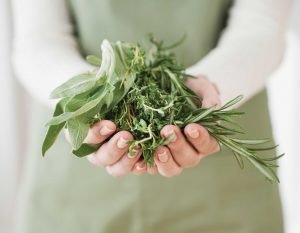
Great Burdock The root is used to treat ‘toxic overload’ that result in throat infections and skin ..