
-
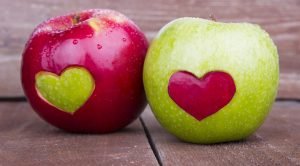
1. Apples Are Nutritious A medium apple is equal to 1.5 cups of fruit. Two cups of fruit daily are recommended ..
-
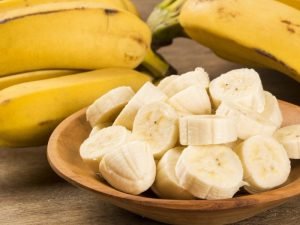
1.Bananas help overcome depression due to high levels of tryptophan, which is converted into serotonin ..
-
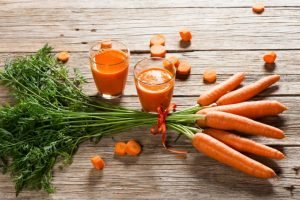
1. Beta carotene: Carrots are a rich source of this powerful antioxidant, which, among other vital uses, ..
-

Tinnitus in the ear can occur due to ear infections, various infections, perforation of the eardrum, ..
-
Comments Off on Pregnancy Calendar – Week 5 of Your Pregnancy

5-week pregnancy “Pregnancy calendar” at week 5: Your baby’s brain is developing. You may feel ..
-
Comments Off on Pregnancy Calendar – Week 4 of Your Pregnancy

4 weeks pregnancy “Pregnancy calendar” at 4th week: A miracle begins! Your baby, now consisting ..
-
The best sources of plant-based iron and how to absorb them better
Iron supports haemoglobin production, oxygen transport, energy metabolism and normal immune function. A well-planned plant-based diet can provide plenty of this mineral through legumes, soy foods, seeds, wholegrains, leafy greens, nuts, dried fruit and fortified products. The key is to consider both the amount of iron in a food and how much the body can use.
Plant foods contain non-haem iron, which is absorbed differently from the haem iron found in meat and seafood. Absorption can vary from meal to meal, but simple combinations make a meaningful difference. Adding vitamin C, preparing legumes properly and separating tea or coffee from iron-rich meals can help Australians meet their needs through everyday foods.
Understanding iron in plant foods
Non-haem iron is naturally present in beans, lentils, chickpeas, tofu, tempeh, pumpkin seeds, sesame seeds, cashews, quinoa and dark green vegetables. Breakfast cereals and some meat-free products may also be fortified. Because absorption is regulated by the body, eating a varied pattern across the day is generally more useful than focusing on one “superfood”.
Australian nutrient reference values list an adult daily iron target of 8 milligrams for men and post-menopausal women, while women aged 19 to 50 generally need 18 milligrams. Pregnancy increases the requirement to 27 milligrams per day. Individual needs can differ according to menstruation, growth, blood loss, health conditions and dietary pattern.
People who eat little or no animal food may need to pay closer attention to iron intake because non-haem iron is less readily absorbed. This does not mean plant-based eating causes deficiency, but meals should be planned with iron sources and absorption enhancers in mind.
The richest plant-based sources
Legumes are among the most practical sources. A serving of cooked lentils, kidney beans, black beans or chickpeas contributes iron alongside protein and fibre. Soy foods such as tofu, tempeh and edamame are also valuable, and tempeh may be especially useful because fermentation can reduce some compounds that interfere with mineral absorption.
Seeds and nuts add concentrated nutrition in modest portions. Pumpkin seeds, tahini, sesame seeds, hemp seeds, chia seeds, almonds and cashews can be stirred into porridge, added to salads or blended into sauces. Wholegrains such as oats, amaranth, quinoa and iron-fortified breads contribute further amounts throughout the day.
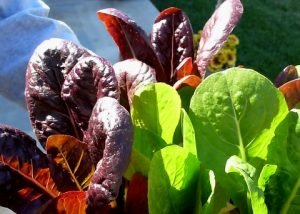
Dark leafy vegetables, including spinach, silverbeet, kale and Asian greens, contain iron, although their overall contribution can be affected by oxalates and the size of the serving. Dried apricots, prunes and sultanas contain some iron, but they are also high in natural sugar, so fresh fruit, legumes and fortified foods are usually more reliable staples.
Pair iron with vitamin C
Vitamin C can improve non-haem iron absorption by helping keep iron in a form that is easier for the intestine to take up. A squeeze of lemon or lime, a side of capsicum, tomatoes, broccoli, kiwifruit, oranges, berries or pineapple can turn a nutritious meal into a more absorption-friendly one.
This approach works with familiar Australian meals. Lentil soup can be served with a tomato and parsley salad, while chickpea curry pairs well with capsicum and a squeeze of lemon. A tofu stir-fry with broccoli and snow peas provides plant iron, vitamin C and a range of other nutrients in the same dish.
Frozen vegetables are also useful when fresh produce is expensive or out of season. Supermarkets in Sydney, Melbourne, Brisbane and regional centres commonly stock frozen broccoli, spinach, berries and capsicum, while local farmers’ markets may offer seasonal citrus, leafy greens and tomatoes. Fresh, frozen and canned produce can all contribute to a balanced eating pattern.
Foods and habits that can reduce absorption
Some foods contain phytates, oxalates or polyphenols that can limit non-haem iron absorption. These compounds are not harmful in a balanced diet and are found in many nutritious foods, including wholegrains, legumes, nuts, seeds, spinach and tea. The goal is not to avoid them, but to use preparation and timing to reduce their effect when iron intake is a concern.
Tea and coffee deserve particular attention. Black tea, green tea and coffee contain polyphenols that may reduce iron absorption when consumed with a meal. Australians who enjoy a morning tea or coffee can keep it an hour or two away from an iron-focused meal, especially if they have low iron stores.
Calcium may also compete with iron absorption in some circumstances, although dairy and calcium-fortified foods remain important sources of nutrition for many people. It is usually unnecessary to remove them from the diet; spacing a calcium supplement or large calcium-rich drink away from an iron supplement may be more relevant.
Prepare legumes and grains thoughtfully
Soaking dried beans, lentils and chickpeas, discarding the soaking water and cooking them thoroughly can reduce phytates and improve digestibility. Canned legumes are convenient and already cooked, making them a useful option for quick meals. Rinsing canned beans can lower their sodium content without removing their iron completely.
Sprouting and fermenting can also change the mineral availability of grains and legumes. Tempeh, sourdough bread and fermented batters may be easier to digest for some people. These methods do not make every milligram of iron available, but they support a varied diet and can improve the overall quality of meals.
A practical plate can include a legume or soy food, a grain or starchy vegetable, colourful vegetables and a vitamin C-rich ingredient. For example, a bowl with quinoa, black beans, roasted pumpkin, spinach, tomato salsa and lime offers several complementary sources of iron and other nutrients.
Easy meal combinations for everyday eating
Iron-rich meals do not need to be complicated or based on specialist products. A breakfast of iron-fortified cereal with fruit can be useful, particularly when paired with strawberries, kiwi fruit or an orange rather than tea. Porridge can be topped with pumpkin seeds and berries, while hummus with wholegrain toast and sliced capsicum makes a simple lunch or snack.
The following combinations bring together plant iron and absorption-supporting ingredients:
- Lentil dhal with tomatoes, lemon and steamed broccoli
- Tofu stir-fry with capsicum, bok choy and brown rice
- Chickpea salad with parsley, cucumber, tomatoes and lime
- Baked beans on wholegrain toast with grilled mushrooms and tomato
- Overnight oats with pumpkin seeds, chia seeds and berries
Portion size and frequency matter. Including one substantial iron-containing food at two or three meals is often more effective than adding a small amount once a week. A registered dietitian can help vegans, vegetarians, teenagers, athletes and pregnant people create a plan that meets iron, protein, vitamin B12 and other nutrient needs.
Recognise when testing or supplements may be needed
Tiredness, headaches, pale skin, shortness of breath during exertion, dizziness, restless legs and reduced exercise tolerance can occur with iron deficiency, although these symptoms have many possible causes. Diet alone should not be used to diagnose the problem. A general practitioner can order a full blood count and iron studies, which may include ferritin, to assess iron status.
Some people have a higher risk of deficiency, including those with heavy menstrual bleeding, pregnancy, frequent blood donation, gastrointestinal disease, coeliac disease, restrictive diets or ongoing blood loss. Infants, adolescents and endurance athletes may also require careful assessment. For pregnancy in Australia, iron needs should be discussed with a midwife, obstetrician or GP rather than managed with self-prescribed high-dose products.
Useful points to discuss with a health professional include:
- Persistent fatigue or breathlessness despite adequate sleep
- Heavy periods, recent blood donation or known blood loss
- A vegan or vegetarian diet with limited fortified foods
- Digestive symptoms or a condition affecting nutrient absorption
- Previous low ferritin or anaemia
Iron supplements can cause constipation, nausea, abdominal discomfort and dark stools. High doses may be harmful, especially for children, and can interact with some medicines. The right product and dose depend on test results and the cause of deficiency. Readers seeking general support about website content can use the website contact link, while personal symptoms and supplement decisions belong with a qualified health professional.
Make iron intake part of a balanced pattern
Plant-based iron works best within an overall dietary pattern rather than as an isolated nutrient target. Legumes, soy foods, wholegrains, seeds, vegetables and fruit provide fibre, protein, folate, magnesium and protective plant compounds alongside iron. Eating these foods regularly also supports heart health and stable energy.
A few habits are especially practical: include beans or lentils several times a week, use tofu or tempeh in place of some animal-based meals, add vitamin C-rich produce, and keep tea or coffee away from the most iron-focused meals. Fortified cereals can be convenient, while traditional foods such as wattleseed may add variety to Australian cooking when used in suitable products.
Iron status is shaped by intake, absorption, losses and individual health. Paying attention to food combinations can improve the value of a plant-rich diet, but persistent symptoms or abnormal blood results require proper assessment rather than repeated dietary changes alone.
-
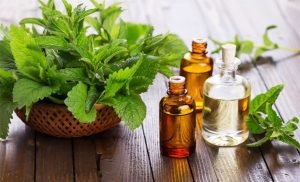
Tea Tree Essential Oil Tea tree oil is often referred to as “medicine cabinet in a bottle,” as it’s ..
-

13 surprising home remedies for acid reflux Before you reach for the heavy-duty, prescription-strength ..
-
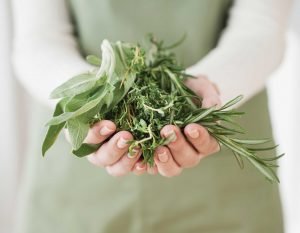
Great Burdock The root is used to treat ‘toxic overload’ that result in throat infections and skin ..