
-
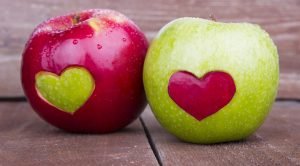
1. Apples Are Nutritious A medium apple is equal to 1.5 cups of fruit. Two cups of fruit daily are recommended ..
-
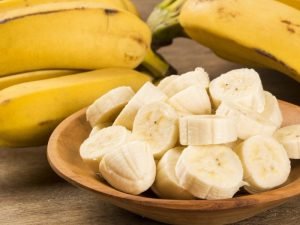
1.Bananas help overcome depression due to high levels of tryptophan, which is converted into serotonin ..
-
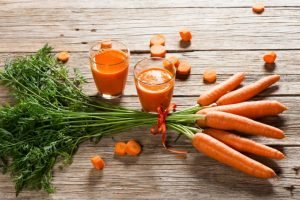
1. Beta carotene: Carrots are a rich source of this powerful antioxidant, which, among other vital uses, ..
-

Tinnitus in the ear can occur due to ear infections, various infections, perforation of the eardrum, ..
-
Comments Off on Pregnancy Calendar – Week 5 of Your Pregnancy

5-week pregnancy “Pregnancy calendar” at week 5: Your baby’s brain is developing. You may feel ..
-
Comments Off on Pregnancy Calendar – Week 4 of Your Pregnancy

4 weeks pregnancy “Pregnancy calendar” at 4th week: A miracle begins! Your baby, now consisting ..
-
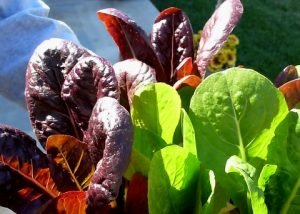
The Best Sources of Plant-Based Protein for Vegetarians
Protein supports muscle maintenance, immune function, tissue repair, enzymes, hormones, and everyday energy. Vegetarians can meet their needs through a varied diet built around beans, lentils, tofu, nuts, seeds, whole grains, and dairy or eggs when these foods fit their eating pattern.
Plant proteins differ in their protein density, amino acid balance, fiber content, preparation time, and suitability for different meals. Eating several sources throughout the day makes it easier to obtain a broad range of essential amino acids while also increasing intake of vitamins, minerals, and beneficial plant compounds.
Individual protein needs vary with age, body size, activity level, pregnancy, illness, and recovery from injury. Anyone with a medical condition or unusually high nutritional requirements should discuss dietary changes with a qualified healthcare professional.
Lentils, Beans, And Peas
Lentils are among the most convenient vegetarian protein foods. A cooked cup provides roughly 18 grams of protein, along with fiber, folate, iron, potassium, and slowly digested carbohydrates. Green, brown, red, and black lentils work in soups, curries, salads, grain bowls, and vegetarian patties. Red lentils cook quickly and tend to create a creamy texture, while firmer varieties hold their shape better.
Beans are equally versatile. Black beans, kidney beans, chickpeas, navy beans, and cannellini beans generally provide about 14–16 grams of protein per cooked cup. They also contain soluble and insoluble fiber, which can support digestive regularity and help meals feel satisfying. Canned beans are practical; rinsing them under water can reduce some of the added sodium.
Split peas and fresh green peas contribute useful protein as well. A bowl of split-pea soup can form the foundation of a filling meal, particularly when combined with vegetables and whole-grain bread. People who are increasing legumes should do so gradually and drink enough fluid, since a sudden increase in fiber may cause bloating.
Soy Foods Offer Complete Protein
Soy foods are especially valuable because soy protein contains all nine essential amino acids in useful proportions. Tofu, tempeh, edamame, unsweetened soy milk, and textured vegetable protein can support meals ranging from breakfast to dinner. A half-cup serving of firm tofu often contains around 10–12 grams of protein, while tempeh usually offers more because it is denser.
Tofu absorbs marinades and sauces, making it suitable for stir-fries, soups, wraps, and baked dishes. Tempeh has a firmer texture and a nutty flavor, and steaming it briefly before cooking can soften its taste. Edamame can be added to salads, rice bowls, pasta, or vegetable soups. Fortified soy milk is also a useful alternative to dairy milk because it commonly provides a similar amount of protein per cup.
Soy foods are considered safe for most people when eaten as part of a balanced diet. Choose minimally processed forms most often, and check labels on flavored drinks or meat substitutes for excess added sugar, sodium, and saturated fat. People with a soy allergy should avoid these products and use other protein sources.
Nuts, Seeds, And Whole Grains
Nuts and seeds provide protein alongside unsaturated fats, magnesium, zinc, vitamin E, and other nutrients. Hemp seeds contain about 9–10 grams of protein in three tablespoons, while pumpkin seeds, peanuts, almonds, chia seeds, and sunflower seeds can add several grams per serving. Sprinkle them over oatmeal, yogurt, salads, roasted vegetables, or blended soups. Nut and seed butters are convenient in sandwiches and smoothies, although portion size matters because they are energy-dense.
Whole grains can contribute more protein than many people expect. Quinoa is a complete protein and supplies approximately 8 grams per cooked cup. Oats, buckwheat, amaranth, whole-wheat pasta, brown rice, and barley provide smaller amounts that become significant when eaten regularly. Buckwheat and amaranth are naturally gluten-free, which can make them useful for people avoiding wheat.
Grains and seeds are most effective when they replace refined starches rather than being treated as an occasional garnish. A quinoa and chickpea salad, oatmeal with peanut butter and hemp seeds, or brown rice with tofu can create a more substantial protein profile than a meal based on vegetables and white rice alone.
Comparing Vegetarian Protein Choices
The protein content of a food depends on the brand, variety, cooking method, and serving size. The figures below are approximate and are intended to help with meal planning rather than replace nutrition-label information.
Food Typical serving Approximate protein Additional strengths Cooked lentils 1 cup 18 g Fiber, folate, iron Cooked black beans 1 cup 15 g Fiber, potassium, magnesium Tempeh 100 g 18–20 g Fermented soy, firm texture Firm tofu ½ cup 10–12 g Calcium if fortified, versatile Shelled edamame 1 cup 17 g Complete soy protein, folate Quinoa, cooked 1 cup 8 g Complete protein, magnesium Hemp seeds 3 tablespoons 9–10 g Healthy fats, magnesium Peanut butter 2 tablespoons 7–8 g Convenient, energy-dense Greek yogurt ¾ cup 15–18 g Calcium and cultured dairy Eggs 2 large 12–13 g Complete protein, choline Dairy products and eggs can make protein planning easier for lacto-ovo vegetarians. Greek yogurt, cottage cheese, milk, and eggs are concentrated sources, while fortified dairy alternatives may vary widely. Read the nutrition panel, since some plant-based milks contain very little protein unless they are made from soy or peas.
Build Balanced Meals Across The Day
A vegetarian diet does not require every meal to contain a perfect amino acid balance. The body maintains a pool of amino acids, so eating a variety of protein foods across the day is generally sufficient. Combining foods in the same dish can still make meals more satisfying: lentils with brown rice, hummus with whole-grain pita, beans with corn tortillas, or peanut butter with oats are practical examples.
A useful plate may include one-quarter protein-rich food, one-quarter whole grains or starchy vegetables, and one-half non-starchy vegetables or fruit. This approach supplies protein while adding fiber, antioxidants, and micronutrients. For a higher-protein meal, increase the portion of beans, tofu, tempeh, yogurt, or eggs rather than relying only on extra cheese or refined meat substitutes.
Breakfast is often where vegetarian diets fall short. Oatmeal with soy milk, chia seeds, and peanut butter; Greek yogurt with fruit and pumpkin seeds; or scrambled tofu with whole-grain toast can provide a stronger start than a breakfast based solely on cereal or fruit. At lunch, bean soup, lentil salad, or a tofu wrap can prevent afternoon hunger.
Important Nutrients To Monitor
Protein is one part of vegetarian nutrition. Iron deserves attention because plant-based iron is less readily absorbed than the form found in meat. Lentils, beans, tofu, pumpkin seeds, fortified cereals, and dark leafy greens can help. Pairing these foods with vitamin C sources such as bell peppers, citrus, tomatoes, or strawberries improves absorption. Tea and coffee are best consumed away from iron-rich meals when iron status is a concern.
Vitamin B12 is naturally present mainly in animal foods, so vegans need a reliable fortified food or supplement. Calcium, vitamin D, zinc, iodine, and omega-3 fats may also require deliberate planning. Fortified soy milk, calcium-set tofu, dairy products, iodized salt, walnuts, ground flaxseed, and chia seeds can contribute, but dietary needs differ.
If persistent fatigue, numbness, weakness, changes in hair or nails, or unexplained weight changes occur, food changes alone may not address the cause. A healthcare professional can assess symptoms and, when appropriate, recommend blood tests or targeted supplementation. Pregnant people, children, older adults, and athletes may need personalized guidance.
Simple Ways To Increase Daily Protein
Small adjustments can raise protein intake without making meals complicated:
- Add lentils, chickpeas, or beans to soups, pasta sauces, salads, and roasted vegetable bowls.
- Replace some white rice or noodles with quinoa, buckwheat, or a bean-based pasta.
- Use fortified soy milk or Greek yogurt in smoothies, overnight oats, and breakfast bowls.
- Keep roasted edamame, nuts, seeds, or hummus available for snacks and quick additions.
- Include a clear protein source at every main meal instead of depending on vegetables alone.
Planning two or three dependable meals each week can make healthy eating easier. Cook a batch of lentils, beans, or grains, press and season tofu, and store washed vegetables for quick assembly. Frozen edamame and canned legumes are useful when time is limited, while unsalted nuts and seeds can remain in the pantry for several weeks.
Those looking for more nutrition information can also contact the health team about general editorial topics. Medical advice should come from a licensed professional who knows an individual’s health history, medications, allergies, and nutritional requirements.
A varied vegetarian menu can provide ample protein without depending on one “perfect” food. Start with a legume, soy food, dairy product, or egg at each main meal, add whole grains and seeds, and review fortified foods for nutrients that may be harder to obtain. With consistent choices and sensible portions, plant-forward eating can be satisfying, practical, and nutritionally complete.
-
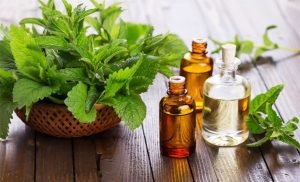
Tea Tree Essential Oil Tea tree oil is often referred to as “medicine cabinet in a bottle,” as it’s ..
-

13 surprising home remedies for acid reflux Before you reach for the heavy-duty, prescription-strength ..
-
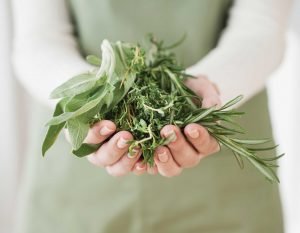
Great Burdock The root is used to treat ‘toxic overload’ that result in throat infections and skin ..