
-

1. Apples Are Nutritious A medium apple is equal to 1.5 cups of fruit. Two cups of fruit daily are recommended ..
-

1.Bananas help overcome depression due to high levels of tryptophan, which is converted into serotonin ..
-
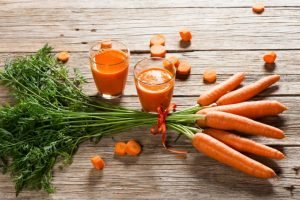
1. Beta carotene: Carrots are a rich source of this powerful antioxidant, which, among other vital uses, ..
-

Tinnitus in the ear can occur due to ear infections, various infections, perforation of the eardrum, ..
-
Comments Off on Pregnancy Calendar – Week 5 of Your Pregnancy

5-week pregnancy “Pregnancy calendar” at week 5: Your baby’s brain is developing. You may feel ..
-
Comments Off on Pregnancy Calendar – Week 4 of Your Pregnancy

4 weeks pregnancy “Pregnancy calendar” at 4th week: A miracle begins! Your baby, now consisting ..
-

The Best Vegetables for Improving Skin Health and Elasticity
Healthy skin depends on much more than topical products. The nutrients supplied by vegetables help maintain the skin barrier, protect cells from oxidative stress, and support the normal production of collagen and elastin. A varied diet can also improve hydration status and provide the vitamins needed for a smoother, more resilient complexion.
The best vegetables for improving skin health and elasticity are usually brightly colored, leafy, or rich in water and protective plant compounds. Bell peppers, leafy greens, broccoli, carrots, sweet potatoes, and tomatoes each contribute different nutrients. Eating several types regularly is more useful than relying on one “beauty food.”
Nutrition cannot erase wrinkles or reverse significant loss of elasticity, and vegetables do not replace sunscreen, medical care, or adequate protein. However, a vegetable-rich eating pattern can support the biological processes that help skin look healthy over time.
How Vegetables Support Firm, Healthy Skin
Collagen is the structural protein that gives skin strength and firmness, while elastin helps it stretch and return to its original shape. The body needs vitamin C to produce collagen normally. Vitamin C also functions as an antioxidant, helping protect skin cells from damage caused by unstable molecules known as free radicals.
Carotenoids, such as beta-carotene and lycopene, are plant pigments found in orange, red, and dark green vegetables. After digestion, some carotenoids can support vitamin A activity, which is involved in skin cell renewal. Other carotenoids act as antioxidants and may help the body manage oxidative stress associated with ultraviolet exposure and environmental pollution.
Vegetables also provide water, potassium, folate, vitamin K, and polyphenols. These nutrients contribute to general health, circulation, and the maintenance of the skin barrier. A balanced diet containing vegetables, fruit, legumes, whole grains, healthy fats, and protein gives the body a stronger foundation than a narrow focus on a single nutrient.
Leafy Greens for Micronutrients and Antioxidants
Spinach, kale, Swiss chard, romaine lettuce, collard greens, and other leafy vegetables are concentrated sources of nutrients associated with skin maintenance. Their carotenoids include lutein and beta-carotene, while their vitamin C content varies by type and preparation. Dark green leaves also provide folate and vitamin K, which support normal cellular and vascular functions.
Leafy greens are easy to add to meals without greatly increasing calories. Use raw spinach in a salad, blend kale into a smoothie, or lightly sauté chard with beans and whole grains. Gentle cooking can make some vegetables easier to eat in larger portions, although prolonged boiling may reduce water-soluble vitamin levels.
Eating greens with a small amount of healthy fat may improve the absorption of fat-soluble carotenoids. A salad with olive oil dressing, avocado, seeds, or nuts can therefore be more nutrient-supportive than plain leaves alone. People taking anticoagulant medication should keep vitamin K intake consistent and follow their clinician’s advice rather than suddenly making large dietary changes.
Colorful Vegetables That Protect Skin Cells
Red and orange vegetables are especially useful for increasing carotenoid intake. Carrots and sweet potatoes contain beta-carotene, which the body can convert to vitamin A as needed. Vitamin A supports normal skin cell development, while carotenoid pigments contribute antioxidant activity. Red bell peppers are also rich in vitamin C, making them especially helpful for collagen-supportive nutrition.
Tomatoes contain lycopene, a red carotenoid that becomes more available after cooking. Simmered tomatoes, tomato sauce, or a roasted tomato dish paired with a little olive oil can provide a practical way to include lycopene. Tomatoes are botanically fruits, but they are commonly prepared and discussed as vegetables.
The amount of a nutrient absorbed from food depends on the variety, ripeness, storage, cooking method, and the rest of the meal. Eating a mixture of raw and cooked produce gives the diet a wider range of plant compounds. Food sources are generally preferable to high-dose beta-carotene supplements, which may be inappropriate for smokers and can create health risks at excessive doses.
Vegetable Skin-supportive nutrients Easy serving idea Red bell pepper Vitamin C, carotenoids Slice into salads, wraps, or hummus plates Broccoli Vitamin C, sulforaphane-related compounds, fiber Steam lightly or roast with olive oil Carrots Beta-carotene, fiber Add to soups, salads, or grain bowls Sweet potato Beta-carotene, vitamin C, potassium Bake and serve with beans or yogurt Spinach Carotenoids, vitamin C, folate Add to eggs, curries, or smoothies Tomatoes Lycopene, vitamin C, polyphenols Use fresh, roasted, or in a cooked sauce Kale Carotenoids, vitamin C, vitamin K Massage into salads or add to soups Broccoli and Other Cruciferous Vegetables
Broccoli, cauliflower, Brussels sprouts, cabbage, bok choy, and arugula belong to the cruciferous vegetable family. They contain vitamin C, fiber, carotenoids, and sulfur-containing plant compounds. These compounds are being studied for their role in the body’s antioxidant and detoxification pathways, although they should not be described as a cure for skin disorders or a replacement for treatment.
Broccoli is a particularly versatile choice because it supplies several skin-relevant nutrients in one serving. Light steaming, roasting, or quick stir-frying can preserve its texture and flavor. Overcooking may reduce some vitamin C, so cooking until tender-crisp is often a practical approach.
Cruciferous vegetables can also make meals more filling through their fiber content. Stable blood sugar, regular digestion, and a healthy overall dietary pattern do not directly tighten skin, but they support the broader metabolic health that skin relies on. Gradually increasing portions can help reduce digestive discomfort for people who are not used to high-fiber foods.
Hydrating Vegetables for a Stronger Skin Barrier
Cucumbers, lettuce, zucchini, celery, radishes, and summer squash contain substantial amounts of water. They do not replace drinking fluids, yet they can contribute to daily hydration while providing minerals and plant compounds. Adequate hydration helps the skin barrier function properly and may reduce the dry, tight appearance associated with insufficient fluid intake.
Water-rich vegetables are useful when they replace highly processed snacks that are high in salt, refined starch, or added sugar. Try cucumber with yogurt dip, celery with nut butter, or zucchini in a vegetable soup. Combining hydrating produce with protein and healthy fats creates a more satisfying meal and supports steady energy.
Skin elasticity is influenced by age, genetics, cumulative sun exposure, smoking, hormonal changes, and changes in body weight. Eating cucumbers alone cannot restore stretched or damaged connective tissue. Their value comes from helping create a nutrient-dense, fluid-rich eating pattern that supports normal skin function.
A Practical Plate for Skin-Friendly Nutrition
A consistent pattern is easier to maintain than an intensive short-term diet. Aim to include at least two different vegetable colors at lunch and dinner, then vary the choices throughout the week. For example, a meal might combine roasted sweet potato, steamed broccoli, lentils, and a small amount of olive oil. Another could include leafy greens, tomatoes, red pepper, grilled fish, and whole-grain bread.
Protein matters because collagen and other connective tissues are built from amino acids. Beans, lentils, eggs, fish, poultry, dairy foods, tofu, nuts, and seeds can complement vegetables. Vitamin C-rich vegetables may be particularly useful alongside plant-based sources of iron, such as lentils and beans, because vitamin C improves the absorption of non-heme iron.
Healthy fats also help absorb carotenoids from vegetables. Olive oil, avocado, seeds, and nuts can be added in moderate portions. This combination of vegetables, protein, fiber, and unsaturated fat is more supportive than consuming large quantities of juice, which often removes fiber and makes it easier to take in excess sugar.
Simple Ways to Eat More Skin-Supportive Vegetables
Small preparation changes can make a vegetable-rich diet realistic. Keep washed greens available, use frozen vegetables when fresh produce is expensive, and prepare a tray of roasted vegetables for several meals. Frozen produce is often harvested at peak ripeness and can still provide valuable nutrients.
- Add red bell pepper, spinach, or tomatoes to eggs, beans, or tofu at breakfast.
- Fill half the lunch or dinner plate with two contrasting vegetables.
- Pair cooked carrots, broccoli, or sweet potato with olive oil, nuts, seeds, or avocado.
- Use soups, stews, and vegetable-based sauces to increase intake without complicated recipes.
- Rotate colors across the week instead of eating the same vegetable every day.
Wash fresh produce under running water and store it properly to preserve quality. People with kidney disease, food allergies, digestive conditions, or medication-related dietary restrictions may need individualized guidance. A registered dietitian or qualified healthcare professional can help adapt vegetable choices safely.
Protecting Elasticity Beyond the Dinner Plate
Vegetables support the nutrients involved in skin health, but daily sun protection remains one of the most important ways to preserve collagen and elasticity. Broad-spectrum sunscreen, protective clothing, shade, and avoiding tanning beds help limit ultraviolet damage. UV exposure accelerates collagen breakdown and contributes to uneven pigmentation, fine lines, and loss of firmness.
Avoiding tobacco, moderating alcohol, sleeping adequately, and managing chronic health conditions also matter. Severe restrictive diets may deprive the body of protein, essential fats, zinc, iron, or other nutrients involved in tissue maintenance. The goal is a balanced pattern rather than a promise that one vegetable or supplement can transform the skin.
Give dietary changes time. Skin turnover and connective-tissue maintenance occur gradually, and visible results are affected by many factors. Focus on regular meals containing a broad selection of vegetables, sufficient protein, healthy fats, and adequate fluids.
Add colorful vegetables to your next grocery list and build meals around variety rather than quick fixes. With consistent nutrition and sensible sun protection, everyday food choices can become a practical part of caring for healthier, more resilient skin.
-

Tea Tree Essential Oil Tea tree oil is often referred to as “medicine cabinet in a bottle,” as it’s ..
-

13 surprising home remedies for acid reflux Before you reach for the heavy-duty, prescription-strength ..
-
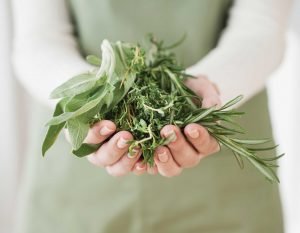
Great Burdock The root is used to treat ‘toxic overload’ that result in throat infections and skin ..