
-

1. Apples Are Nutritious A medium apple is equal to 1.5 cups of fruit. Two cups of fruit daily are recommended ..
-
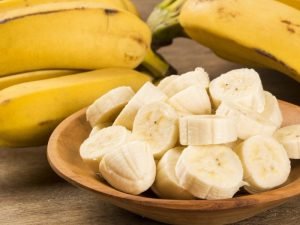
1.Bananas help overcome depression due to high levels of tryptophan, which is converted into serotonin ..
-
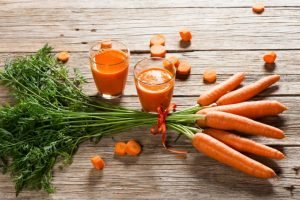
1. Beta carotene: Carrots are a rich source of this powerful antioxidant, which, among other vital uses, ..
-

Tinnitus in the ear can occur due to ear infections, various infections, perforation of the eardrum, ..
-
Comments Off on Pregnancy Calendar – Week 5 of Your Pregnancy

5-week pregnancy “Pregnancy calendar” at week 5: Your baby’s brain is developing. You may feel ..
-
Comments Off on Pregnancy Calendar – Week 4 of Your Pregnancy

4 weeks pregnancy “Pregnancy calendar” at 4th week: A miracle begins! Your baby, now consisting ..
-
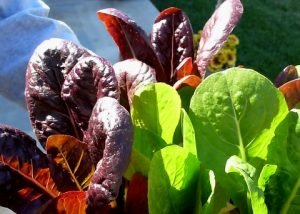
The Best Ways to Cook Vegetables to Retain Their Nutrients
Vegetables provide fiber, vitamins, minerals, antioxidants, and plant compounds that support many aspects of health. Yet the way they are prepared can affect how much of these nutrients remains on the plate. Heat, water, cooking time, and exposure to air all influence nutritional value.
There is no single perfect cooking method for every vegetable. Gentle steaming may protect delicate nutrients, while cooking tomatoes can make certain antioxidants easier for the body to use. The best approach depends on the vegetable, the nutrient you want to preserve, and the texture you enjoy.
Good preparation also makes vegetables more appealing and easier to eat regularly. A colorful mix of raw, lightly cooked, roasted, and fermented produce can provide a broader range of beneficial plant compounds than relying on one method alone.
Why Cooking Method Matters
Water-soluble vitamins, especially vitamin C and several B vitamins, can move from vegetables into cooking water. Long boiling usually causes more loss than brief cooking because the produce spends more time in heat and water. If the liquid is discarded, some of those nutrients go with it.
Fat-soluble compounds, including carotenoids in carrots, pumpkin, and leafy greens, may become easier to absorb when vegetables are cooked with a small amount of healthy fat. Heat softens plant cell walls, helping release compounds that can be difficult for the body to access in raw produce.
Cooking also changes texture, flavor, and digestibility. Raw vegetables can offer crispness and nutrients that are sensitive to heat, while cooked vegetables may be gentler for people with digestive discomfort. A varied preparation style is generally more practical than trying to keep every vegetable raw.
Freshness and storage matter before cooking begins. Cut produce can gradually lose vitamin C through exposure to air, so washing vegetables before chopping, keeping them cool, and preparing them close to mealtime can help protect quality.
Steaming Preserves Color And Flavor
Steaming is one of the most reliable ways to cook vegetables with minimal nutrient loss. The food sits above simmering water rather than being submerged, so fewer water-soluble vitamins escape. Short steaming also helps vegetables retain their natural color, shape, and flavor.
Broccoli, cauliflower, green beans, carrots, asparagus, zucchini, and leafy greens work well in a steamer basket. Most require only a few minutes, although dense vegetables may need longer. The goal is tender-crisp texture: soft enough to bite comfortably while still holding some firmness.
Avoid overcrowding the steamer because trapped steam needs to circulate around the vegetables. Cut pieces into similar sizes so they cook evenly, and begin timing once the steam is active. Removing the lid repeatedly allows heat to escape and extends cooking time.
Steamed vegetables can be finished with lemon juice, herbs, garlic, toasted seeds, or a small amount of olive oil. These additions improve flavor without requiring heavy sauces. For people seeking contact information about health content, the website’s protected contact page provides a suitable route for general inquiries.
Sautéing And Stir-Frying Use Brief Heat
Sautéing cooks vegetables quickly in a small amount of oil over medium or medium-high heat. Because the cooking time is short, this method can preserve texture and produce a rich flavor. Stir-frying follows the same principle, using high heat and constant movement to cook small pieces rapidly.
Peppers, mushrooms, snow peas, cabbage, bok choy, onions, and thinly sliced carrots are well suited to a skillet or wok. Add firm vegetables first and softer ingredients later. Aromatics such as garlic, ginger, scallions, and herbs can be added near the end so they do not burn.
A modest amount of oil can help the body absorb carotenoids and other fat-soluble plant compounds. Extra-virgin olive oil is a useful option for moderate heat, while oils with higher smoke points can be chosen for very hot stir-frying. Use enough oil to prevent sticking without making the vegetables greasy.
High heat should not mean prolonged cooking. Burnt edges and smoking oil can reduce food quality and create unpleasant compounds. Keep pieces small, prepare all ingredients before turning on the stove, and remove the pan from heat as soon as the vegetables reach the desired texture.
Roasting And Baking Concentrate Natural Sweetness
Roasting uses dry heat to deepen flavor and draw out natural sweetness. The process can make vegetables such as sweet potatoes, carrots, Brussels sprouts, beets, onions, and squash especially appealing. It also reduces moisture, creating browned edges and a more concentrated taste.
To roast effectively, cut vegetables into evenly sized pieces and spread them in a single layer. Crowding causes steaming instead of browning. A light coating of oil helps heat transfer and supports absorption of fat-soluble nutrients, while herbs and spices can add flavor without excessive salt.
Roasting temperatures are often higher than those used for steaming or sautéing, so extended cooking may reduce some heat-sensitive vitamins. This does not make roasted vegetables unhealthy; it simply means the method has different nutritional strengths. Pairing roasted produce with a fresh salad or raw garnish can balance the meal.
Be mindful of excessive browning. Deeply charred areas should not be a regular feature of the diet. Roast until the vegetables are tender and lightly caramelized, turning them once if needed for even cooking.
Comparing Common Vegetable Cooking Methods
Each technique offers a different balance of nutrient retention, convenience, flavor, and texture. The table below provides a practical guide rather than a strict ranking, since results depend on cooking time, temperature, vegetable type, and whether the cooking liquid is consumed.
Cooking method Nutrient considerations Vegetables that suit it Helpful practice Steaming Limits contact with water and helps preserve many water-soluble vitamins Broccoli, greens, asparagus, green beans Cook briefly until tender-crisp Sautéing Short cooking time; oil may improve carotenoid absorption Peppers, mushrooms, cabbage, zucchini Use moderate heat and little oil Stir-frying Rapid cooking can protect texture and color Bok choy, snow peas, carrots, peppers Cut ingredients evenly and keep them moving Roasting May reduce some heat-sensitive vitamins but enhances flavor Squash, beets, onions, Brussels sprouts Avoid crowding and heavy charring Boiling Nutrients can leach into water, especially during long cooking Potatoes, corn, dense root vegetables Use little water or save the broth Microwaving Short cooking time and limited water can preserve nutrients well Frozen or fresh mixed vegetables Use a covered, microwave-safe container Pressure cooking Very fast and water-efficient, though heat-sensitive nutrients may decline Beans, potatoes, carrots, artichokes Follow timing carefully and retain the liquid Boiling is not automatically a poor choice. It can be useful for potatoes, corn, and firm root vegetables, especially when the cooking liquid becomes part of a soup, stew, or sauce. Using the smallest practical amount of water and avoiding overcooking reduces nutrient loss.
Microwaving can be a nutritious option because it often combines brief heating with little water. It does not inherently make food less healthy. Use a vented cover, stir halfway through, and avoid heating vegetables until they become excessively soft.
Raw And Lightly Cooked Vegetables Both Have A Place
Some vegetables are especially enjoyable and nutritious raw. Lettuce, cucumber, tomatoes, radishes, shredded cabbage, carrots, and bell peppers add freshness and crunch. Raw produce can also preserve heat-sensitive vitamin C, although the amount present depends on freshness and storage.
Light cooking may increase the availability of certain compounds. Tomatoes are a familiar example: heating can make lycopene more accessible, particularly when paired with a small amount of oil. Cooking spinach and other greens also reduces volume, making it easier to eat a larger serving.
Raw vegetables may be less comfortable for people with sensitive digestion, while cooked vegetables can be softer and easier to chew. Individual tolerance matters. There is no nutritional requirement to eat every vegetable raw, and there is no need to cook every vegetable thoroughly.
A useful meal can combine several textures: a raw salad, steamed broccoli, and roasted squash, for example. This approach supports dietary variety and makes meals more satisfying without treating nutrient retention as a competition between methods.
Practical Habits For Better Nutrient Retention
The details surrounding preparation can matter as much as the cooking technique. Washing vegetables under cool running water removes surface soil, while soaking for long periods may cause some water-soluble nutrients to migrate into the water. Chop vegetables shortly before cooking when possible.
Use a sharp knife to create clean cuts and avoid crushing delicate produce. Keep cooking times as short as practical, and taste vegetables during preparation rather than relying on a fixed time for every batch. Frozen vegetables can also be a nutritious choice because they are commonly processed soon after harvest.
Helpful kitchen habits include:
- Steam, microwave, or sauté vegetables when you want to limit water contact.
- Save nutritious cooking liquid for soups, sauces, grains, or stews.
- Add a small amount of healthy fat to vegetables rich in carotenoids.
- Combine raw and cooked produce across the day for varied textures and plant compounds.
- Store cut vegetables in airtight containers and use them promptly.
Seasoning can encourage a higher vegetable intake, which is an important practical benefit. Lemon, vinegar, herbs, spices, garlic, onions, yogurt-based sauces, and toasted nuts can make simply cooked vegetables more appealing. If a method helps you eat vegetables consistently, it may be more valuable than a theoretically perfect method you rarely use.
People with particular medical conditions, food allergies, or dietary restrictions may need individualized guidance. Vegetables are generally part of a balanced eating pattern, but preparation choices can be adjusted for digestive needs, sodium limits, blood sugar management, or texture requirements.
Try one new preparation this week: steam a green vegetable, roast a root vegetable, or quickly sauté a colorful mixture. Pay attention to texture and flavor, then build meals around the methods that make nutritious produce easiest to enjoy. Consistent, varied vegetable intake is the lasting goal, and thoughtful cooking can help make it a natural part of everyday life.
-
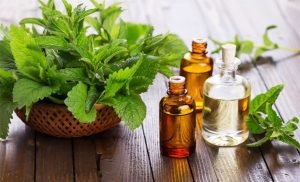
Tea Tree Essential Oil Tea tree oil is often referred to as “medicine cabinet in a bottle,” as it’s ..
-

13 surprising home remedies for acid reflux Before you reach for the heavy-duty, prescription-strength ..
-
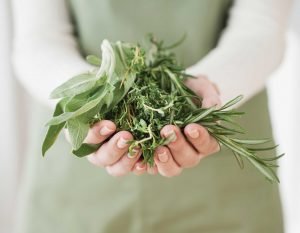
Great Burdock The root is used to treat ‘toxic overload’ that result in throat infections and skin ..