
-

1. Apples Are Nutritious A medium apple is equal to 1.5 cups of fruit. Two cups of fruit daily are recommended ..
-
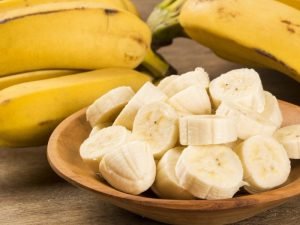
1.Bananas help overcome depression due to high levels of tryptophan, which is converted into serotonin ..
-

1. Beta carotene: Carrots are a rich source of this powerful antioxidant, which, among other vital uses, ..
-

Tinnitus in the ear can occur due to ear infections, various infections, perforation of the eardrum, ..
-
Comments Off on Pregnancy Calendar – Week 5 of Your Pregnancy

5-week pregnancy “Pregnancy calendar” at week 5: Your baby’s brain is developing. You may feel ..
-
Comments Off on Pregnancy Calendar – Week 4 of Your Pregnancy

4 weeks pregnancy “Pregnancy calendar” at 4th week: A miracle begins! Your baby, now consisting ..
-

Smart ways to enjoy oats for a stronger heart every morning
Heart disease remains one of the leading causes of death across Australia, with the Australian Bureau of Statistics reporting that more than 20,000 lives are lost to coronary conditions each year. Alongside regular movement, stress management and routine check-ups, what sits on the breakfast table plays a quietly powerful role in shaping long-term cardiovascular wellbeing. Oats have earned their reputation as one of the most reliable everyday foods for protecting the heart, and for good reason. They are affordable, versatile, and well stocked on the shelves of every Coles and Woolworths in the country.
The magic lies in a soluble fibre called beta-glucan, which forms a gel inside the digestive tract and helps carry excess cholesterol out of the body before it can be absorbed into the bloodstream. Regularly eating oats has been shown in clinical trials to lower LDL cholesterol by five to seven per cent over several weeks, a result comparable to some early dietary interventions recommended by GPs. Compounds unique to oats, including avenanthramides and saponins, add a gentle antioxidant and anti-inflammatory effect that further supports the lining of blood vessels.
What follows is a practical guide to preparing oats so that their heart-protective compounds are preserved, absorbed and enjoyed. Whether you are cooking in a small Melbourne flat on a chilly winter morning, fuelling a surf check at Bondi, or packing lunch for the kids in Adelaide, these approaches turn a humble bowl of grain into a daily habit worth keeping.
Why oats are a friend to the cardiovascular system
The cardiovascular benefits of oats are not folklore. The Australian Heart Foundation lists oats among the handful of foods with solid evidence behind them for improving cholesterol ratios, alongside legumes, nuts, and oily fish. The active ingredient is beta-glucan, a viscous soluble fibre that slows digestion, blunts blood sugar spikes after a meal, and binds bile acids in the gut. Because bile acids are made from cholesterol, the liver has to pull more cholesterol from the bloodstream to manufacture replacement bile, gradually lowering circulating LDL levels.
Oats also contain a specific group of polyphenols called avenanthramides, which are largely absent from other grains. These compounds help relax blood vessels and reduce oxidative stress on the arterial wall. Avenanthramides work best when oats are minimally processed, so the difference between a bowl of steel-cut oats and a sachet of flavoured instant porridge is more significant than many shoppers realise.
Another often-overlooked factor is satiety. The slow release of energy from oats keeps people full for longer than white toast or sugary cereals, which means fewer mid-morning snacks and steadier energy across the day. Stable weight, in turn, supports healthy blood pressure and reduces strain on the heart, creating a cascade of small wins that adds up over years.
The classic warm porridge done properly
A simple bowl of porridge is still one of the most effective ways to deliver beta-glucan into the body. The trick is in the ratio, the cooking time, and the choice of oat. Rolled oats, sold in the familiar blue and green packets of brands like Uncle Tobys or Carman's, retain most of their fibre and cook in around five minutes. Steel-cut oats, sometimes called pinhead oats in Australian pantries, take closer to twenty-five minutes but offer an even lower glycemic impact and a satisfying nutty bite.
The classic method uses half a cup of rolled oats to one cup of liquid, which can be water, milk, or a mix of both. A pinch of salt lifts the flavour, and a gentle simmer for five minutes, stirred occasionally, releases the beta-glucan into a creamy consistency that does not need sugar to taste good. For those who prefer their porridge on the run, a small thermos filled the night before will keep it warm until you reach the train station.
A common pitfall is finishing the bowl with a generous swirl of honey or golden syrup, which quickly undoes the slow-release benefit of the grain itself. A sliced banana, a sprinkle of cinnamon, or a spoon of natural yoghurt delivers the sweetness without the sugar spike, keeping the meal genuinely heart-friendly from the first bite to the last.
Overnight oats for busy mornings
For anyone juggling school drop-offs, early shifts, or a long commute along the M1, overnight oats remove the morning rush entirely. The method involves combining half a cup of rolled oats with half a cup of milk in a jar or sealable container, adding a teaspoon of chia seeds for extra fibre, and leaving the mixture in the fridge for six to eight hours. By morning, the oats have softened into a thick, spoonable texture without any cooking required.
This style suits the warmer parts of the country particularly well, from Brisbane in summer to Perth in the long dry months, when a hot breakfast is the last thing anyone wants. The cold preparation also keeps the beta-glucan intact, since excessive heat over a long period can break down some of the gel-forming properties, although the difference is small in everyday terms.
The flavour combinations are nearly endless. A spoonful of natural peanut paste, a handful of frozen berries stirred through before bed, or a grating of apple with a dusting of ground ginger all work beautifully. The jar can be carried to work and eaten at the desk, making it one of the most reliable habits for people who otherwise skip breakfast altogether, which is itself a known risk factor for poor cardiovascular outcomes.
Savoury oat bowls beyond the sweet breakfast
It might surprise some people to learn that oats do not have to be sweet. Across Australian cafe menus, from Surry Hills to Fremantle, savoury oat bowls have begun appearing alongside the more traditional granola options, and they offer an excellent way to enjoy oats alongside protein-rich toppings. The base is cooked the same way as porridge, then finished with a pinch of salt, pepper, and a drizzle of extra virgin olive oil rather than honey.
A typical savoury bowl might include sliced avocado, a soft-boiled egg, sautéed mushrooms, a scatter of spinach, and a few pepitas for crunch. The combination delivers plant sterols, omega-3s, and complete protein alongside the beta-glucan, creating a balanced meal that keeps blood sugar even for hours. For those who find sweet breakfasts trigger an energy crash by mid-morning, this style of bowl often feels like a revelation.
Savoury oats also pair naturally with traditional Australian produce, from roasted pumpkin in autumn to cherry tomatoes in the warmer months. A teaspoon of native lemon myrtle or wattleseed sprinkled on top can add a uniquely Australian aroma while contributing their own gentle antioxidant properties, an easy way to give an everyday breakfast a local twist.
Baked oats and homemade muesli
Baking oats into slices, bars, or muffins is a practical way to enjoy their benefits away from the breakfast table. A basic baked oat slice uses two cups of rolled oats, two ripe bananas, a couple of eggs, a splash of milk, and a handful of chopped dried apricots or sultanas, mixed and baked in a lined tray until firm. The result is a portable snack that fits neatly into school lunch boxes, work bags, or hiking packs for weekend walks in the Grampians or along the Bibbulmun Track.
Homemade muesli is another rewarding project that allows full control over the sugar content. Toasting three cups of rolled oats with a cup of slivered almonds, half a cup of pumpkin seeds, and a cup of roughly chopped dried figs creates a base that can be stored in a glass jar for weeks. A quarter cup of raw honey or rice malt syrup is enough to bind the mixture into clusters without tipping into the dessert-like sweetness of commercial granolas.
These baked and toasted forms are particularly useful for families, since they make the heart-protective fibre of oats available in formats children and teenagers will actually eat. A homemade muesli bar eaten after school offers a steadier energy lift than a chocolate biscuit, supporting the kind of long-term eating patterns that shape cardiovascular health well into adulthood.
Smart toppings and pairings that boost the benefit
What goes on top of the oats matters almost as much as the oats themselves. Berries such as blueberries, raspberries, and strawberries, all readily available year-round in Australian supermarkets, supply anthocyanins that complement the polyphenols in oats. A small banana adds potassium, which supports healthy blood pressure, while a tablespoon of ground flaxseed brings lignans and plant-based omega-3 fatty acids into the mix.
Nuts grown locally, including almonds from the Riverland region of South Australia and macadamias from Bundaberg in Queensland, provide healthy monounsaturated fats that further improve the cholesterol profile when combined with oats. A tablespoon of cacao nibs instead of chocolate chips delivers a deep, slightly bitter flavour alongside magnesium and flavanols, offering indulgence without the sugar load that often undermines a heart-healthy breakfast.
Equally important is what to leave off the bowl. Dried fruit, while nutritious in its own right, is calorie-dense and easy to overeat, so a small scattering rather than a generous handful is wise. Flavoured yoghurts, syrups, and sweetened plant milks can quietly double the sugar content of an otherwise wholesome bowl, and reading the label on these products often reveals surprising amounts of added sugar that have no place in a heart-conscious routine.
Habits that get the best from every bowl
A few simple habits separate a genuinely heart-supporting oat routine from one that simply looks healthy on paper. Consistency matters more than perfection, so finding two or three preparations that rotate through the week tends to work far better than constantly chasing new recipes. Around forty to fifty grams of dry oats, roughly half a cup, is the standard serving size endorsed by the Australian Dietary Guidelines, and this amount delivers about three grams of beta-glucan, the threshold linked to cholesterol-lowering effects.
Pairing oats with a source of protein, whether through milk, yoghurt, nuts, or eggs in the savoury versions, slows gastric emptying even further and keeps blood sugar remarkably stable for hours. Drinking a glass of water alongside the meal also supports the hydration that helps soluble fibre do its work in the digestive system.
Finally, choosing less processed forms of oats wherever possible maximises the polyphenols and fibre that make this grain so valuable. Steel-cut and traditional rolled oats outperform instant varieties, and while the difference is not dramatic, it adds up across months and years of daily breakfasts. Treated as a small, repeatable ritual rather than a passing health trend, oats quietly become one of the most dependable allies an Australian can have for a longer, stronger life.
-

Tea Tree Essential Oil Tea tree oil is often referred to as “medicine cabinet in a bottle,” as it’s ..
-

13 surprising home remedies for acid reflux Before you reach for the heavy-duty, prescription-strength ..
-

Great Burdock The root is used to treat ‘toxic overload’ that result in throat infections and skin ..