
-

1. Apples Are Nutritious A medium apple is equal to 1.5 cups of fruit. Two cups of fruit daily are recommended ..
-
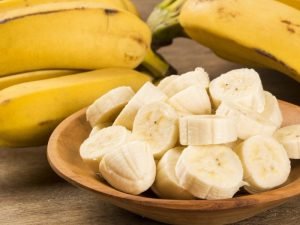
1.Bananas help overcome depression due to high levels of tryptophan, which is converted into serotonin ..
-
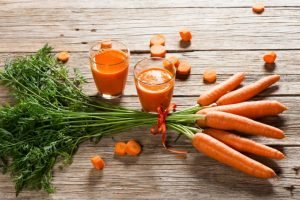
1. Beta carotene: Carrots are a rich source of this powerful antioxidant, which, among other vital uses, ..
-

Tinnitus in the ear can occur due to ear infections, various infections, perforation of the eardrum, ..
-
Comments Off on Pregnancy Calendar – Week 5 of Your Pregnancy

5-week pregnancy “Pregnancy calendar” at week 5: Your baby’s brain is developing. You may feel ..
-
Comments Off on Pregnancy Calendar – Week 4 of Your Pregnancy

4 weeks pregnancy “Pregnancy calendar” at 4th week: A miracle begins! Your baby, now consisting ..
-
meric for reducing inflammation: natural approaches that work
Turmeric has travelled from South Asian spice markets to the kitchen benches of suburban Brisbane and the wellness shelves of Melbourne chemists. The bright orange rhizome has become a popular natural choice for Australians hoping to calm chronic inflammation without immediately reaching for medication. Its active compound, curcumin, sits at the centre of growing scientific interest.
The plant belongs to the ginger family and thrives in warm, humid climates. While most turmeric sold in Australia is still imported, small farms on the Atherton Tablelands in Far North Queensland and in coastal New South Wales now produce boutique crops that appear at farmers markets in Sydney, Brisbane, and Byron Bay. This local interest reflects a wider appetite for food-as-medicine thinking across the country.
What follows is a practical guide to using turmeric for reducing inflammation naturally. It covers drinks, meals, pastes, and topical preparations, with safety notes that reflect how supplements are regulated in Australia.
How curcumin calms inflammation
Inflammation is the immune system's natural response to injury or infection. When it becomes chronic, it contributes to osteoarthritis, cardiovascular disease, and metabolic syndrome. Curcumin influences several pathways involved in this process, including suppression of nuclear factor kappa B, a protein complex that triggers the release of pro-inflammatory cytokines. It also acts as an antioxidant, neutralising free radicals that damage tissues.
The main challenge with curcumin is poor bioavailability. The body absorbs only a small fraction on its own, which is why traditional recipes pair turmeric with black pepper. Piperine, the active compound in pepper, can boost absorption by up to two thousand percent. Fats help as well, which explains why golden milk made with full-fat coconut milk or ghee has spread through Australian wellness circles.
Research from universities in Sydney and Melbourne has mirrored international findings, showing measurable reductions in inflammatory markers when participants took standardised curcumin extracts over several weeks. The practical message is simple: combine turmeric with fat and pepper to give the body the best chance of absorbing it.
Golden milk and warming drinks
Golden milk is arguably the most popular way Australians consume turmeric today. Cafés from Fitzroy to Fremantle now serve turmeric lattes, often blending the spice with coconut milk, cinnamon, ginger, and a touch of honey. Making it at home costs a fraction of the price and allows full control over ingredients.
A basic recipe starts with one cup of warmed milk, dairy or plant-based. Add half a teaspoon of ground turmeric, a quarter teaspoon of cinnamon, a pinch of black pepper, and a small sliver of grated fresh ginger. Sweeten with raw honey to taste, then whisk until frothy. For a creamier drink, blend in a teaspoon of coconut oil or a knob of butter, mimicking the traditional Indian preparation known as haldi doodh.
Fresh turmeric can also be steeped in hot water with lemon and honey for a simple tea. Australians who enjoy a morning ritual often prepare a concentrated paste in the cooler months and stir a spoonful into warm drinks throughout the week. This approach suits people in Hobart or Ballarat, where winter temperatures drop low and warming drinks feel especially welcome.
Cooking with turmeric at home
Drinks are only one route. Cooking with turmeric regularly is an easy way to keep its anti-inflammatory compounds flowing through the diet. It blends naturally into curries, dals, soups, and rice dishes, where the fat content of coconut milk, ghee, or olive oil helps with absorption.
In Australian kitchens, turmeric slips easily into familiar meals. A teaspoon stirred into scrambled eggs at breakfast gives them a warm golden hue alongside avocado toast. It works in marinades for chicken, fish, or tofu with lemon, garlic, and olive oil. Veggie roasts benefit from a sprinkle over pumpkin, sweet potato, and cauliflower before they go into the oven. Lentil and pumpkin soup, a cool-weather favourite in Adelaide and Perth, takes on extra depth with a spoonful of turmeric alongside cumin and coriander.
Fresh turmeric, when available at markets such as Paddy's Markets in Haymarket or the Jan Powers Farmers Markets in Brisbane, can be grated directly into stir-fries or juiced with carrots and oranges. Fresh root has a brighter, slightly peppery flavour than dried powder, and many home cooks keep both on hand to alternate between intensity and subtlety.
Pastes, powders, and supplements
For those wanting a more concentrated dose, turmeric paste offers convenience. A traditional preparation combines ground turmeric with water, black pepper, and a healthy fat, simmered into a thick paste that stores in the fridge for several weeks. A teaspoon can be added to meals, drinks, or taken directly with warm water.
Supplements appeal to people who find it hard to consume turmeric consistently through food. Australian pharmacies and health food stores stock a wide range of capsules and tablets, many containing curcumin combined with piperine or formulated with phospholipids for better absorption. Listed medicines that make therapeutic claims are reviewed by the Therapeutic Goods Administration, and products bearing an AUST L number have been assessed for quality and safety. Buyers should still read labels, check curcumin content per capsule, and consult a healthcare professional before combining supplements with prescription medications.
Pricing varies. Budget capsules from major supermarkets such as Coles or Woolworths sit at the lower end, while practitioner-only brands available through naturopaths in Melbourne and Sydney tend to be more concentrated. Comparing cost per milligram of curcumin, rather than per bottle, helps shoppers find genuine value.
Topical uses for joints and skin
Inflammation shows up on the outside as well as the inside. Sore knees after a long hike in the Blue Mountains, tennis elbow from a summer league in Perth, or shoulder tightness after surfing along the New South Wales coast are all situations where a topical turmeric preparation may bring relief.
A simple paste can be made by mixing turmeric powder with a small amount of coconut oil or warm castor oil until thick. Applied to clean skin over aching joints, it is left on for fifteen to thirty minutes before being rinsed off. A teaspoon of grated ginger or a drop of eucalyptus oil can be added for extra warmth, though patch testing is wise for sensitive skin.
Turmeric also appears in homemade face masks designed to calm redness. A blend of turmeric, yoghurt, and a teaspoon of manuka honey can be smoothed over the skin, left for ten minutes, then washed away. Australians mindful of strong sun, intense across most of the country between November and February, often use such masks in the evening to avoid staining pillowcases.
Sourcing, storage, and safety
Where turmeric comes from matters. Imported powders have occasionally been flagged for adulteration with cheaper fillers, so choosing products that disclose country of origin, ideally with organic certification, reduces this risk. Australian-grown turmeric, increasingly available through online retailers and box schemes, offers a traceable alternative and supports small producers.
Storage is straightforward. Dried powder keeps for several months in an airtight container away from sunlight. Fresh roots should be refrigerated and used within two to three weeks, or frozen whole and grated as needed. Supplements should be kept in their original packaging and stored below twenty-five degrees Celsius, which matters during Australian summers when indoor temperatures can climb.
Most people tolerate culinary amounts well. Higher supplemental doses can interact with blood-thinning medications, antacids, and diabetes drugs, so anyone on regular prescriptions should speak with their doctor first. Pregnant women are generally advised to limit intake to amounts found in food. People with gallbladder conditions may need to avoid concentrated forms, since curcumin stimulates bile production.
Used thoughtfully, turmeric offers a versatile, affordable, and evidence-supported way to support the body's anti-inflammatory processes. From a morning latte to a soothing joint paste, the spice fits comfortably into an Australian lifestyle that values both traditional wisdom and modern science.
Everyday habits that make turmeric more effective
- Pair turmeric with a source of fat, such as coconut milk, olive oil, or avocado, to improve curcumin absorption.
- Always add a pinch of black pepper when preparing turmeric drinks or meals, since piperine dramatically increases bioavailability.
- Choose fresh turmeric when in season at local markets, but keep dried powder as a reliable backup for everyday cooking.
- Aim for consistency rather than occasional large doses, as curcumin builds up gradually in the body.
- Look for an AUST L number when buying supplements, and compare curcumin content per capsule rather than overall tablet weight.
- Store turmeric away from heat and light to preserve its active compounds, particularly during the warmer months.
- Speak with a healthcare professional before combining high-dose supplements with prescription medications, especially blood thinners.
-
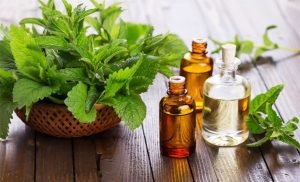
Tea Tree Essential Oil Tea tree oil is often referred to as “medicine cabinet in a bottle,” as it’s ..
-

13 surprising home remedies for acid reflux Before you reach for the heavy-duty, prescription-strength ..
-
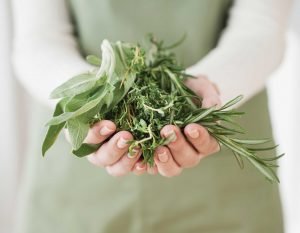
Great Burdock The root is used to treat ‘toxic overload’ that result in throat infections and skin ..