
-

1. Apples Are Nutritious A medium apple is equal to 1.5 cups of fruit. Two cups of fruit daily are recommended ..
-
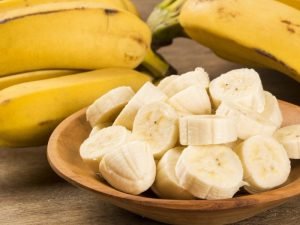
1.Bananas help overcome depression due to high levels of tryptophan, which is converted into serotonin ..
-

1. Beta carotene: Carrots are a rich source of this powerful antioxidant, which, among other vital uses, ..
-

Tinnitus in the ear can occur due to ear infections, various infections, perforation of the eardrum, ..
-
Comments Off on Pregnancy Calendar – Week 5 of Your Pregnancy

5-week pregnancy “Pregnancy calendar” at week 5: Your baby’s brain is developing. You may feel ..
-
Comments Off on Pregnancy Calendar – Week 4 of Your Pregnancy

4 weeks pregnancy “Pregnancy calendar” at 4th week: A miracle begins! Your baby, now consisting ..
-

The Difference Between Soluble and Insoluble Fiber in Your Diet
Fiber is a type of carbohydrate found in plant foods that the body does not fully digest. Instead of being broken down and absorbed like sugar or starch, it travels through the digestive tract and supports several aspects of health. Beans, vegetables, fruits, whole grains, nuts, and seeds all provide dietary fiber in different amounts and forms.
The two main types are soluble and insoluble fiber. They behave differently in water and in the body, yet both can contribute to regular bowel movements, a healthier gut environment, and better overall nutrition. Most high-fiber foods contain a mixture of both, so a varied diet is usually more useful than trying to separate them at every meal.
Understanding how these fibers work can make it easier to choose foods for a specific goal, such as easing constipation, supporting healthy cholesterol levels, or keeping meals satisfying. Gradual changes are important because a sudden increase in fiber may cause bloating, gas, or abdominal discomfort.
What dietary fiber does in the body
Soluble and insoluble fiber pass through the digestive system in different ways, but fiber as a whole can help regulate digestion. It adds structure to meals, slows the absorption of some nutrients, and supports the movement of food and waste through the intestines. Fiber also helps create a feeling of fullness, which may make it easier to maintain balanced eating habits.
Certain fibers are fermented by beneficial bacteria in the colon. During this process, gut microbes produce short-chain fatty acids that support the intestinal lining and may influence immune and metabolic functions. The effects depend on the type of fiber, the foods that provide it, and the individual makeup of the gut microbiome.
Fiber-rich foods often supply vitamins, minerals, antioxidants, and water at the same time. For example, berries provide fiber and plant compounds, while lentils offer fiber, protein, iron, and folate. Choosing whole foods allows fiber to work as part of a broader pattern of nourishment rather than relying on a single nutrient.
How soluble fiber works
Soluble fiber dissolves or swells in water, forming a soft, gel-like material in the digestive tract. This texture can slow the movement of food from the stomach into the small intestine and may moderate how quickly glucose enters the bloodstream after a meal. For people managing blood sugar, meals containing soluble fiber may produce a steadier response than meals based mainly on refined carbohydrates.
Some soluble fibers can also help reduce low-density lipoprotein, or LDL, cholesterol. They do this partly by binding with bile acids in the digestive tract. The liver then uses cholesterol to make more bile acids, which can contribute to lower circulating cholesterol over time. The effect is generally modest and works best alongside an overall heart-supportive eating pattern.
Good sources include oats, barley, beans, lentils, peas, apples, citrus fruits, carrots, okra, eggplant, chia seeds, and psyllium. Pectin in fruit and beta-glucan in oats and barley are examples of soluble fibers. Many of these fibers are fermentable, meaning gut bacteria can use them as fuel.
How insoluble fiber supports digestion
Insoluble fiber does not dissolve in water. It helps add bulk to stool and can support regular bowel movements by moving waste through the intestines. Whole-wheat products, wheat bran, brown rice, many vegetables, nuts, and the skins of fruits are common sources.
This type of fiber is often associated with relief from constipation, especially when combined with adequate fluids and regular movement. However, adding large quantities quickly may worsen bloating or discomfort in some people. A gradual increase gives the digestive system and gut bacteria time to adjust.
The distinction between soluble and insoluble fiber is useful, but it is not absolute. Some foods contain fibers with mixed properties, and the way a fiber behaves can change with cooking, processing, and the rest of the meal. A baked potato with its skin, for instance, provides a combination of fiber types along with potassium and other nutrients.
Comparing fiber types in everyday foods
The main difference lies in how each fiber interacts with water and digestion. Soluble fiber tends to slow digestion and may support cholesterol and blood glucose management, while insoluble fiber primarily adds bulk and helps promote intestinal movement. Both can be fermented to some degree, depending on their specific structure.
Feature Soluble fiber Insoluble fiber Behavior in water Dissolves or swells and may form a gel Does not dissolve in water Main digestive effect Slows digestion and nutrient absorption Adds bulk and supports stool movement Potential health roles May support healthy cholesterol and blood glucose levels May help promote regular bowel habits Common sources Oats, barley, beans, lentils, apples, citrus, psyllium Wheat bran, whole grains, vegetable skins, nuts, seeds Helpful habits Increase gradually and drink fluids Pair with fluids and increase portions slowly Important note Some types are fermented by gut bacteria Some types are less fermentable, but foods vary Many foods provide both categories. Beans contain soluble fiber that can be fermented as well as insoluble fiber that contributes to stool bulk. Vegetables offer different fiber profiles depending on the plant, its edible parts, and how it is prepared. This is why eating a range of plant foods is generally more practical than focusing on one isolated fiber source.
Fiber supplements may provide a concentrated amount of a particular type. Psyllium, for example, is a gel-forming fiber often used to support bowel regularity and cholesterol management. Supplements can be useful in some situations, but they do not replace the vitamins, minerals, and protective plant compounds found in whole foods.
How much fiber you need and where to find it
General guidance for adults is about 25 grams of fiber per day for women and 38 grams for men, although individual needs vary. Recommendations may change with age, pregnancy, activity level, and total calorie intake. Many people consume less than these amounts, so increasing fiber gradually can be a realistic health goal.
A high-fiber breakfast might include oatmeal topped with berries and ground flaxseed. Lunch could feature lentil soup, a bean salad, or a whole-grain sandwich with vegetables. At dinner, roasted vegetables, brown rice, barley, or a baked potato with its skin can raise the fiber content without requiring unusual ingredients.
Fresh, frozen, and canned plant foods can all contribute. When choosing canned beans or vegetables, rinsing them can reduce some of the added sodium. Whole fruit is usually a better fiber source than juice because juicing removes much of the pulp. Reading food labels can help identify whole-grain products, although the ingredient list is also important because color alone does not prove that a product is whole grain.
Practical ways to increase fiber comfortably
A balanced increase is usually easier on the digestive system than making several major changes at once. Start with one additional serving of beans, fruit, vegetables, or whole grains each day, then build from there as tolerated.
- Add berries, pears, or an orange to breakfast instead of relying on fruit juice.
- Replace some white rice, pasta, or bread with brown rice, whole-wheat pasta, barley, or oats.
- Stir lentils, peas, or beans into soups, stews, salads, and grain-based dishes.
- Keep edible skins on suitable fruits and vegetables after washing them well.
- Drink water regularly, particularly when increasing fiber-rich foods or using a fiber supplement.
Chewing food thoroughly and spreading fiber across meals may also reduce digestive discomfort. If gas develops, reduce the pace of increase rather than abandoning high-fiber foods completely. Cooking vegetables can make them easier to tolerate, while soaking and rinsing dried or canned beans may help some people with gas.
People with a history of bowel obstruction, difficulty swallowing, severe digestive symptoms, or a condition requiring a specialized diet should seek medical advice before making a major fiber change. Persistent constipation, diarrhea, rectal bleeding, unexplained weight loss, or ongoing abdominal pain also deserves professional evaluation.
A diet containing both soluble and insoluble fiber supports more than digestion. It can contribute to heart health, steadier energy, better fullness after meals, and a diverse gut microbiome. Build your intake with colorful vegetables, whole fruits, legumes, nuts, seeds, and whole grains, increasing portions gradually and drinking enough fluid along the way.
-

Tea Tree Essential Oil Tea tree oil is often referred to as “medicine cabinet in a bottle,” as it’s ..
-

13 surprising home remedies for acid reflux Before you reach for the heavy-duty, prescription-strength ..
-

Great Burdock The root is used to treat ‘toxic overload’ that result in throat infections and skin ..