
-
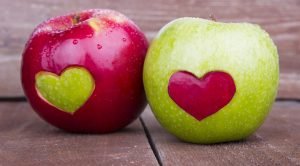
1. Apples Are Nutritious A medium apple is equal to 1.5 cups of fruit. Two cups of fruit daily are recommended ..
-
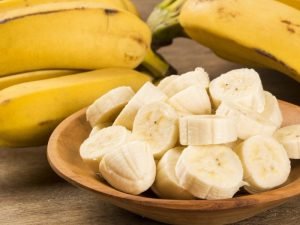
1.Bananas help overcome depression due to high levels of tryptophan, which is converted into serotonin ..
-
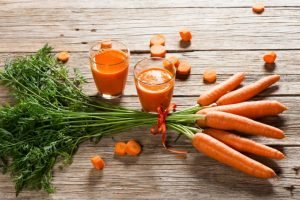
1. Beta carotene: Carrots are a rich source of this powerful antioxidant, which, among other vital uses, ..
-

Tinnitus in the ear can occur due to ear infections, various infections, perforation of the eardrum, ..
-
Comments Off on Pregnancy Calendar – Week 5 of Your Pregnancy

5-week pregnancy “Pregnancy calendar” at week 5: Your baby’s brain is developing. You may feel ..
-
Comments Off on Pregnancy Calendar – Week 4 of Your Pregnancy

4 weeks pregnancy “Pregnancy calendar” at 4th week: A miracle begins! Your baby, now consisting ..
-
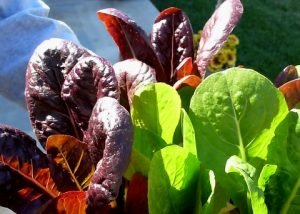
Why eating fermented foods like kimchi improves your health
Walk past the deli section of any Woolworths or Coles from Sydney to Perth and you'll spot jars of kraut, kimchi, and kombucha sitting beside the cheeses and dips. These tangy staples have moved from niche health food shops into the mainstream Aussie pantry, and for good reason. Centuries-old fermentation traditions from Korea, Germany, and Eastern Europe are now backed by a growing body of nutritional science that points to real, measurable benefits for the gut, the immune system, and even mental wellbeing.
If you've ever wondered whether the bold claims about fermented foods hold up under scrutiny, the short answer is yes, at least for most healthy adults. The longer answer involves fascinating microbial communities, ancient food preservation techniques, and a surprisingly modern intersection with how Australians shop, cook, and think about everyday health. From Bondi juice bars stocking house-made sauerkraut to Byron Bay markets selling small-batch kimchi, the fermented food movement has firmly taken root across the country.
The science of fermentation and your microbiome
Fermentation is essentially controlled spoilage. Beneficial bacteria, most commonly strains of Lactobacillus and Bifidobacterium, convert sugars in vegetables into lactic acid. This process preserves the food, creates that characteristic tang, and produces a living product teeming with probiotics. When you eat fermented vegetables, those bacteria survive the journey through your stomach and colonise your gut, at least temporarily, where they compete with less helpful microbes.
Australian researchers at the University of Melbourne and CSIRO have been actively studying the gut microbiome for years, contributing to global understanding of how diet shapes these microbial communities. Their work, alongside international studies, suggests that a diverse gut microbiome is linked to better digestion, stronger immunity, and improved mood regulation through the gut-brain axis. Regular consumption of probiotic-rich foods like sauerkraut and kimchi can introduce new bacterial species into your digestive system, increasing that diversity.
It's worth noting that heat kills live cultures. Many commercial sauerkrauts found on supermarket shelves are pasteurised, which removes the beneficial bacteria. To get the full probiotic benefit, look for products stored in the refrigerated section rather than on ambient shelves. Raw, unpasteurised, and traditionally fermented versions will give you the most living microbes per spoonful, which is why serious gut-health enthusiasts in Australia often source their ferments directly from small producers.
Kimchi: a daily dose of fermented vegetables
Kimchi is a broad Korean term covering hundreds of fermented vegetable preparations, though the most familiar version outside Korea is baechu kimchi made with napa cabbage, Korean radish, garlic, ginger, and gochugaru chilli powder. The combination of fibre, vitamins, and probiotic bacteria makes it a nutritional powerhouse. A single serving can provide a meaningful portion of your daily vitamin K, vitamin C, and several B vitamins.
What sets kimchi apart from many other fermented foods is its complexity. The mix of chilli, garlic, and ginger adds bioactive compounds with their own anti-inflammatory and antioxidant effects. Studies on Korean populations, who consume kimchi daily as part of traditional meals, have observed associations between high kimchi intake and lower rates of certain metabolic concerns, including better weight management and improved blood sugar control in some observational research.
You don't need to eat a full bowl with every meal to gain benefits. Many Australians incorporate a small side of kimchi alongside lunch or dinner, similar to how you'd serve pickles. The bold flavour also works well in fusion dishes popular in Melbourne's cafe scene, think kimchi fried rice, kimchi burgers, or even kimchi-topped avocado toast. Start with milder varieties if you're new to fermented foods, then work your way up to the spicier, more pungent options as your palate adjusts.
Sauerkraut and its place in modern Australian kitchens
Sauerkraut, German for "sour cabbage," is essentially the same fermentation principle as kimchi but using just cabbage and salt. The simplicity makes it one of the easiest fermented foods to make at home, requiring only a head of cabbage, sea salt, and a little patience. Polish, Russian, and other Eastern European communities brought sauerkraut traditions to Australia with post-war migration, and those recipes have stayed alive in family kitchens ever since.
The nutritional profile of sauerkraut is impressive. It's very low in calories, contains no fat, and delivers a hefty dose of vitamin C, vitamin K, and fibre. The fermentation process also breaks down some of the compounds in raw cabbage that can cause bloating, making sauerkraut easier on digestion than cooked cabbage for many people. This is one reason it's often recommended as a gentle introduction to fermented foods for those with sensitive stomachs.
For Australians interested in making their own, fermentation workshops have popped up across Sydney, Brisbane, and Adelaide in recent years. These hands-on classes teach participants how to salt, pack, and ferment vegetables safely at home. Homemade sauerkraut can be tailored to your taste with caraway seeds, juniper berries, or even beetroot for a vibrant pink version. Just remember that if you see bubbles when you open the jar, that's carbon dioxide, a normal sign of active fermentation rather than anything that has gone off.
Probiotic foods and immune system support
Roughly 70 percent of your immune system lives in your gut, so it makes sense that what you feed your microbiome affects how well you fight off bugs. Probiotic-rich fermented foods support immune function in several ways. They help maintain the integrity of the gut lining, produce short-chain fatty acids that feed beneficial gut cells, and stimulate the production of antibodies and immune cells.
Recent reviews in major nutrition journals have found that regular consumption of fermented vegetables was associated with reduced incidence of respiratory infections in several population studies. While more research is needed to draw firm conclusions about causation, the direction of evidence points toward fermented foods being a useful addition to a balanced diet, particularly during the colder months when colds and flu circulate widely through Australian homes, schools, and offices.
Fermented foods also tend to make minerals more bioavailable. The lactic acid produced during fermentation helps your body absorb iron, zinc, and other minerals more efficiently than from non-fermented plant sources. This is especially helpful for vegetarians and vegans, who often struggle to get enough of these nutrients from plant foods alone. Adding a forkful of sauerkraut to a lentil salad or a slice of kimchi to a tofu stir-fry is a simple way to boost both flavour and nutrient absorption.
Adding fermented foods to your everyday routine
Small, consistent changes tend to stick better than dramatic overhauls. Start by adding one tablespoon of sauerkraut or a few pieces of kimchi to one meal per day. Many Australians find that breakfast works well, perhaps alongside eggs, avocado, or in a breakfast burrito. The tang wakes up the palate and supports digestion for the day ahead.
Beyond kimchi and sauerkraut, the fermented food world offers plenty of variety. Kefir, a tangy fermented milk drink, is widely available in Australian supermarkets and provides diverse probiotic strains along with calcium and protein. Miso, a fermented soybean paste, makes an excellent base for broths and salad dressings. Kombucha, the slightly effervescent fermented tea, has become a staple at Australian cafes and health food shops, though it's worth choosing varieties with low added sugar.
If you have any underlying conditions or a compromised immune system, it's wise to chat with a healthcare professional before significantly increasing your intake of live fermented foods. For most healthy people, though, the risk is minimal and the potential upside is meaningful. Anyone keen to share their own fermentation successes or ask questions can get in touch with the editorial team for personalised tips on building a gut-friendly kitchen.
Where to find quality fermented foods in Australia
The good news for Australians is that fermented foods are easier to find than ever. Major supermarkets like Woolworths and Coles have expanded their fermented food ranges considerably over the past five years, with dedicated refrigerated sections for kimchi, sauerkraut, kefir, and kombucha. Look for products in the fridge rather than on the shelf, and check the ingredient list to make sure there are no added sugars, vinegars, or pasteurisation steps that would kill the live cultures.
Independent health food stores and farmers markets are another excellent source. The Bondi Farmers Market, the Melbourne Queen Victoria Market, and the Northey Street Organic Market in Brisbane all regularly feature small-batch Australian producers making traditional fermented vegetables. These local makers often use organic Australian-grown produce and follow traditional fermentation methods, producing flavours and quality that mass-produced products struggle to replicate.
Online retailers have also made it easier to access specialty fermented foods, with several Australian businesses shipping nationwide. Subscription boxes featuring fermented and gut-friendly foods have grown in popularity, especially in capital cities. Whether you choose to buy from a local maker at a weekend market, ferment your own at home, or pick up a jar from your local shop on your next arvo shop, incorporating these foods into your routine is one of the simplest dietary changes you can make for lasting health benefits.
-
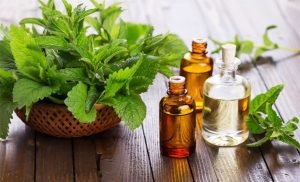
Tea Tree Essential Oil Tea tree oil is often referred to as “medicine cabinet in a bottle,” as it’s ..
-

13 surprising home remedies for acid reflux Before you reach for the heavy-duty, prescription-strength ..
-
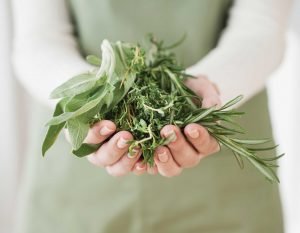
Great Burdock The root is used to treat ‘toxic overload’ that result in throat infections and skin ..