
-
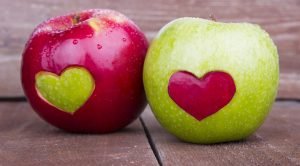
1. Apples Are Nutritious A medium apple is equal to 1.5 cups of fruit. Two cups of fruit daily are recommended ..
-
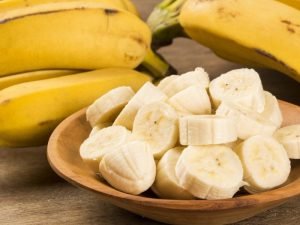
1.Bananas help overcome depression due to high levels of tryptophan, which is converted into serotonin ..
-
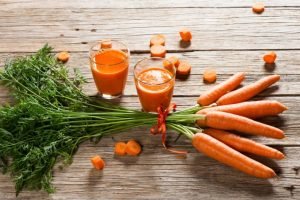
1. Beta carotene: Carrots are a rich source of this powerful antioxidant, which, among other vital uses, ..
-

Tinnitus in the ear can occur due to ear infections, various infections, perforation of the eardrum, ..
-
Comments Off on Pregnancy Calendar – Week 5 of Your Pregnancy

5-week pregnancy “Pregnancy calendar” at week 5: Your baby’s brain is developing. You may feel ..
-
Comments Off on Pregnancy Calendar – Week 4 of Your Pregnancy

4 weeks pregnancy “Pregnancy calendar” at 4th week: A miracle begins! Your baby, now consisting ..
-

Avocados for Heart and Skin: An Australian Health Guide
Avocados combine creamy plant fats with fibre and a broad range of micronutrients. The health benefits of eating more avocado for heart and skin are closely tied to the food’s nutrient profile and to the choices it replaces. Regular consumption can improve diet quality, particularly when avocado takes the place of butter, fatty meat or full-fat cheese. It should still be eaten as part of an overall pattern rather than treated as a treatment for disease.
For Australian adults, the Australian Heart Foundation’s advice to replace saturated fats with unsaturated fats creates a natural place for avocado. The fruit contains no cholesterol, and its monounsaturated fat, potassium, folate, vitamin E and carotenoids support several physiological processes. Portion size remains important because avocado is energy-dense: adding it to an unchanged diet can raise total energy intake even when every individual nutrient is beneficial.
A Nutrient-Dense Food With Useful Fat
A medium avocado usually provides around 10 grams of fibre, 500 to 700 milligrams of potassium and useful amounts of folate, vitamin E and vitamin K. The exact values depend on size and variety, but even a small portion contributes meaningful quantities. Its flesh also contains carotenoids, including lutein and zeaxanthin, which are better known as pigments in leafy greens and eggs.
The fat in avocado is predominantly monounsaturated, with oleic acid the most abundant fatty acid. Saturated fat is present in small amounts, while polyunsaturated fats make up part of the remainder. This composition gives avocado a soft, rich texture without the high saturated-fat content found in butter, ghee or coconut oil.
Nutrient density does not remove the need to watch portions. Avocado can improve the nutritional quality of a meal, but its creamy texture makes it easy to consume a large amount quickly. Using a measured portion at the start of a meal can make it easier to manage total energy while still enjoying its flavour and nutrients.
How Avocado Fits Heart-Healthy Eating
Monounsaturated fat can help lower LDL cholesterol when it replaces saturated fat. Saturated fats encourage LDL particles to remain in the bloodstream, whereas replacing them with unsaturated fats supports the body’s ability to clear cholesterol through the liver. Oleic acid also provides a source of dietary fat that can be included in meals centred on vegetables, legumes and whole grains.
Avocado’s soluble fibre and small amounts of plant compounds such as phytosterols add to its cardiovascular value. Soluble fibre binds to bile acids in the digestive tract, reducing the amount of cholesterol absorbed from food. This effect is modest, but it becomes more useful when avocado accompanies high-fibre foods such as oats, beans, lentils and barley.
The practical benefit lies in substitution. Mashed avocado can replace some butter on toast, sliced avocado can take the place of cheese in a salad, and avocado can accompany beans or eggs instead of a fatty processed meat. When it replaces a protein-rich meat, combining it with legumes or eggs helps maintain the meal’s protein content.
Evidence for Cholesterol and Blood Pressure
Controlled feeding studies have found that avocado can produce modest reductions in LDL cholesterol when it replaces foods high in saturated fat. The response varies according to the participant’s starting cholesterol, the quantity eaten and the food being replaced. Eating avocado without changing other choices does not guarantee a reduction, and it should not be presented as an alternative to prescribed cholesterol medication.
Potassium contributes to normal blood pressure regulation by supporting fluid balance and the function of blood vessels. Avocado also provides magnesium, which participates in hundreds of enzyme reactions, including those involved in blood pressure control. Its effect is nevertheless part of a broader dietary pattern. Limiting sodium, maintaining a healthy weight, exercising regularly and moderating alcohol remain more influential across the population.
Avocado can also support meals with a favourable balance of carbohydrate, fibre, protein and unsaturated fat. Adding it to wholegrain bread, beans or vegetables gives a meal more staying power than combining refined carbohydrates with a rich sauce. Any cardiovascular gain still depends on the total diet, physical activity, sleep, smoking status and other medical factors.
What Avocado Can Do for Skin
Skin contains a protective outer barrier made largely of lipids, including fatty acids that help retain moisture. Avocado’s monounsaturated fat and vitamin E contribute to a diet that supports this barrier. When avocado replaces a food high in saturated fat, the change may also improve the overall balance of fats in the body, a factor connected with skin health and inflammation.
Folate supports normal cell division, while vitamins C and E contribute to collagen formation and antioxidant protection. Avocado also contains carotenoids that may protect fats in the skin from oxidative damage. Eating it with leafy greens, tomatoes and other colourful vegetables provides a broader supply of these compounds, and the fat in avocado can help with the absorption of fat-soluble plant pigments.
Direct evidence that avocado specifically treats dry skin, eczema, acne or premature ageing is limited. It should not replace sunscreen, prescribed skin treatments or medical advice for a persistent condition. Avocado also does not replace broad-spectrum SPF 50+ sunscreen, shade and protective clothing, especially in Australia where UV levels can be high. Claims that avocado cures acne or that its biotin content transforms hair and nails are not supported by strong clinical evidence.
Avocado in the Australian Kitchen and Market
Hass avocados are widely available through Woolworths, Coles, greengrocers and suburban fruit-and-vegetable markets. Queensland is a major Australian production area, and interstate transport and imports help keep the fruit available throughout the year. Retail prices fluctuate with season, supply and quality, so loose avocados may offer better value than packaged ones when they are firm and ripen well at home.
Avocado smash has become a familiar café order in Melbourne and Sydney, where sourdough toast is often topped with mashed avocado, tomato, chilli and seasoning. It is also common at suburban brunch venues and takeaway counters. In Brisbane and other warmer cities, avocados fit easily into salads, wraps and home-cooked meals, while weekend barbecue traditions have helped make sliced avocado a standard accompaniment to grilled meat and fresh salads.
Avocado works well mashed onto wholegrain toast, folded through grains with chickpeas, spooned over salad or added to homemade sushi rolls. Lemon or lime juice can slow the browning of exposed flesh, while refrigeration extends the life of a cut avocado. Keeping another half in the fridge for the next day also helps prevent the kind of food waste that occurs when ripe fruit is left at room temperature.
Portioning, Safety and Individual Considerations
Australian Avocados describes half a medium avocado as a standard serve. That portion is roughly 70 to 80 grams and provides about 500 kilojoules, depending on size. A whole large avocado can contain more than 1,000 kilojoules. Measuring the edible portion makes it easier to use avocado as a replacement for another fat rather than as an extra layer of calories.
People with an avocado allergy should avoid it, and those with latex-fruit syndrome may also react because of cross-reactivity with foods such as banana, kiwi and papaya. Avocado contains vitamin K, so people taking warfarin should keep their intake consistent and follow the advice of their prescribing clinician. Restricted potassium diets for kidney disease may require portion limits, and people with irritable bowel syndrome may find that a large serving triggers symptoms because avocado is high in fermentable carbohydrates.
Whole avocados can be kept at room temperature until ripe and then refrigerated. Once cut, the exposed surface should be covered and used promptly; browning alone indicates enzymatic oxidation rather than spoilage, but mould, an unpleasant smell or unusual sliminess means the fruit should be discarded. For most people, a moderate portion used in place of another saturated fat provides the clearest balance of nutritional value, heart-health benefits and calorie control.
-
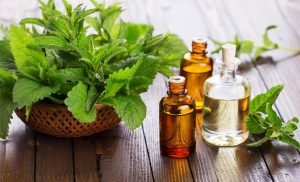
Tea Tree Essential Oil Tea tree oil is often referred to as “medicine cabinet in a bottle,” as it’s ..
-

13 surprising home remedies for acid reflux Before you reach for the heavy-duty, prescription-strength ..
-
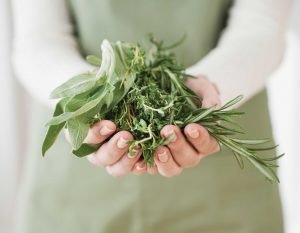
Great Burdock The root is used to treat ‘toxic overload’ that result in throat infections and skin ..