
-

1. Apples Are Nutritious A medium apple is equal to 1.5 cups of fruit. Two cups of fruit daily are recommended ..
-
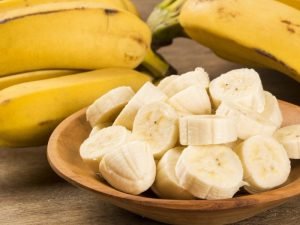
1.Bananas help overcome depression due to high levels of tryptophan, which is converted into serotonin ..
-
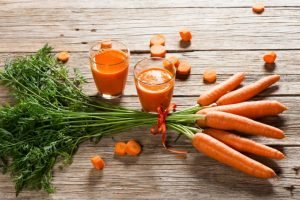
1. Beta carotene: Carrots are a rich source of this powerful antioxidant, which, among other vital uses, ..
-

Tinnitus in the ear can occur due to ear infections, various infections, perforation of the eardrum, ..
-
Comments Off on Pregnancy Calendar – Week 5 of Your Pregnancy

5-week pregnancy “Pregnancy calendar” at week 5: Your baby’s brain is developing. You may feel ..
-
Comments Off on Pregnancy Calendar – Week 4 of Your Pregnancy

4 weeks pregnancy “Pregnancy calendar” at 4th week: A miracle begins! Your baby, now consisting ..
-
How Beans and Legumes Support a Healthier Heart
Beans and legumes are affordable, versatile foods that can make everyday eating more supportive of cardiovascular health. This family includes lentils, chickpeas, kidney beans, black beans, cannellini beans, split peas, soybeans and baked beans. They provide plant protein, dietary fibre, minerals and slowly digested carbohydrates, while generally containing little saturated fat.
For Australians, adding legumes can be a practical way to improve meals that already feature familiar foods. Lentils can be stirred into a bolognese, chickpeas can bulk out a salad, and cannellini beans can be added to soup. Eating more beans and legumes for heart health is less about following a restrictive diet and more about replacing some highly processed or fatty ingredients with nourishing plant foods.
Why legumes are valuable for cardiovascular health
Heart disease risk is influenced by blood pressure, cholesterol, blood glucose, body weight, smoking, physical activity and family history. Food choices cannot control every factor, but a regular intake of legumes can support several of them at the same time. Their combination of soluble and insoluble fibre helps create meals that are filling, steadying and beneficial for the gut.
Legumes are naturally low in saturated fat, the type of fat associated with increased LDL cholesterol when eaten in excess. Replacing some sausages, fatty mince or processed meat with lentils or beans may reduce the saturated fat content of a meal while increasing fibre. This substitution can be especially useful in households where meat is traditionally the centre of dinner, including regular barbecue meals in Sydney, Perth or Brisbane.
Research on dietary patterns commonly finds that people who eat more pulses tend to have healthier measures of blood pressure, cholesterol and blood glucose. These studies do not mean a single serving of beans prevents a heart attack. The benefit comes from a consistent pattern in which legumes sit alongside vegetables, fruit, whole grains, nuts, seeds and unsaturated fats.
Fibre, cholesterol and blood pressure
A major reason legumes are linked with heart health is their high fibre content. Soluble fibre absorbs water and forms a gel-like substance in the digestive tract. This can slow digestion and help reduce the absorption and reabsorption of some bile acids, encouraging the body to use cholesterol to make more bile. Over time, this may help lower LDL cholesterol.
Insoluble fibre adds bulk to food and supports regular bowel movements, while fermentable fibres feed beneficial gut bacteria. When these fibres are broken down, they produce short-chain fatty acids that may influence metabolism, inflammation and blood pressure. Legumes also have a low glycaemic impact compared with many refined carbohydrate foods, helping some people maintain more stable blood glucose after meals.
For heart protection, fibre works best as part of an overall eating pattern. Australian adults can use the Australian Dietary Guidelines as a broad framework, with legumes counted among nutritious choices that contribute to vegetable and protein foods. People with irritable bowel syndrome may need smaller portions or preparation methods that reduce digestive symptoms, since a rapid increase in legumes can cause bloating and gas.
Minerals and plant compounds that support the heart
Beans and legumes provide potassium, magnesium and folate, although the amounts vary between types. Potassium helps balance the effects of sodium and supports normal blood pressure regulation. Magnesium contributes to muscle and nerve function, including the normal contraction and relaxation of blood vessels. Folate is involved in red blood cell formation and several metabolic processes.
Legumes also contain polyphenols and other plant compounds with antioxidant activity. These substances help protect cells from oxidative stress, while their fibre and protein contribute to appetite control. A filling bean-based meal may make it easier to reduce frequent snacking on foods high in salt, added sugar or saturated fat.
A balanced diet should still include a range of foods rather than relying on legumes for every nutrient. Pairing beans with whole grains, vegetables and a source of vitamin C can improve the nutritional quality of a meal. If ongoing skin changes occur alongside fatigue, digestive symptoms or other concerns, reading about deeper causes of dry skin may provide useful general information, although persistent symptoms should be discussed with a qualified health professional.
Easy ways to include more legumes
Canned and dried legumes are widely available in Australian supermarkets, independent grocers and weekend markets. Australian-grown lentils and chickpeas are common in the local agricultural market, while canned beans offer convenience for people managing busy schedules in Melbourne, Adelaide or regional towns. Choose no-added-salt or reduced-salt products when available, and rinse canned legumes under running water to remove some of the surface sodium.
Dried legumes are economical and can be cooked in batches. Lentils usually require less preparation than larger beans, while chickpeas and kidney beans often benefit from soaking before cooking. Dried kidney beans must be boiled thoroughly because undercooked beans can contain naturally occurring toxins that cause illness. Follow packet directions and avoid relying on a slow cooker alone unless the product instructions confirm that method is safe.
Simple ways to add legumes
- Stir red lentils into vegetable soup, curry or a tomato-based pasta sauce.
- Mix mashed chickpeas with olive oil, lemon, garlic and herbs for a sandwich filling.
- Add black beans to tacos, brown rice bowls or a vegetable chilli.
- Toss cannellini beans through a salad with tomatoes, rocket and a vinegar dressing.
- Replace part of the mince in shepherd’s pie or meatballs with cooked lentils.
- Serve baked beans with wholegrain toast, while checking the label for added salt and sugar.
Portion size can be increased gradually. Starting with a few tablespoons in a familiar dish often feels easier than replacing an entire meal. Rinsing, soaking and cooking legumes thoroughly may also improve tolerance. Drinking enough water and introducing fibre over several weeks can help the digestive system adjust.
Making heart-smart choices when buying and eating legumes
The health value of a bean-based meal depends partly on what is added to it. A lentil curry made with vegetables, spices and a modest amount of unsaturated oil has a different nutritional profile from one made with a large amount of coconut cream and salty packaged sauces. Likewise, a bean salad can be heart-friendly, while a heavily salted processed bean snack may contribute excessive sodium.
Australian food labels provide information that can help with comparisons. Look at the per-100-gram column for sodium, saturated fat, sugars and fibre rather than relying only on the serving size. Food Standards Australia New Zealand oversees the Food Standards Code, which sets requirements for food labelling and safety. The Health Star Rating may assist with comparing similar packaged products, but the ingredient list and nutrition panel still matter.
Smart choices at the supermarket
- Select canned beans labelled no-added-salt or reduced-salt where possible.
- Compare baked bean products for sodium, added sugars and saturated fat.
- Choose plain dried lentils, peas and beans instead of heavily seasoned packets.
- Look for products with short ingredient lists and minimal highly processed additions.
- Pair legumes with vegetables, whole grains, herbs, nuts or olive oil.
- Keep serving sizes realistic when eating bean-based dips or snack products.
Meals built around legumes can fit a range of Australian eating habits. A chickpea salad is practical for a warm lunch in Darwin, while a lentil and vegetable stew suits cooler evenings in Hobart. In office areas of Sydney or Canberra, a bean-filled grain bowl can be a more satisfying takeaway choice than a meal dominated by refined bread and processed meat.
People with high blood pressure should pay particular attention to sodium in canned foods, sauces and ready-made meals. Those with chronic kidney disease may need individual advice about potassium, phosphorus or protein. Anyone taking medicines that affect blood glucose should also discuss major dietary changes with their healthcare team, especially if increased fibre changes appetite or glucose readings.
Building a lasting heart-friendly eating pattern
The strongest benefits are likely to come when legumes replace less nutritious options rather than simply being added to an already energy-dense diet. For example, replacing half the mince in a chilli with kidney beans can lower saturated fat and increase fibre. Serving hummus with carrot and cucumber instead of salty crackers changes the balance of the snack without making it unfamiliar.
A weekly target can make the habit easier to maintain. Some people might include lentils in one dinner, chickpeas in a lunch salad and beans in a weekend soup. Others may prefer small amounts across several meals. The best approach is one that fits cooking skills, budget, cultural preferences and the needs of the household.
Heart health also depends on movement, sleep, smoking status, alcohol intake and regular medical care. Eating more beans and legumes can support this broader approach by supplying plant protein, fibre and valuable micronutrients at a relatively low cost. With sensible preparation and attention to salt, legumes can become a dependable part of meals throughout Australia.
-

Tea Tree Essential Oil Tea tree oil is often referred to as “medicine cabinet in a bottle,” as it’s ..
-

13 surprising home remedies for acid reflux Before you reach for the heavy-duty, prescription-strength ..
-
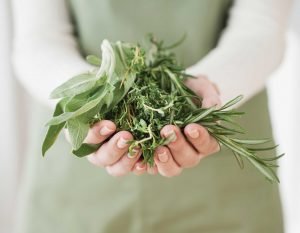
Great Burdock The root is used to treat ‘toxic overload’ that result in throat infections and skin ..