
-

1. Apples Are Nutritious A medium apple is equal to 1.5 cups of fruit. Two cups of fruit daily are recommended ..
-
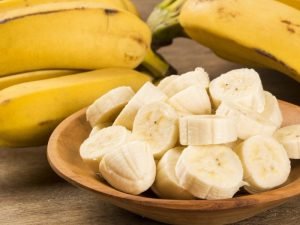
1.Bananas help overcome depression due to high levels of tryptophan, which is converted into serotonin ..
-
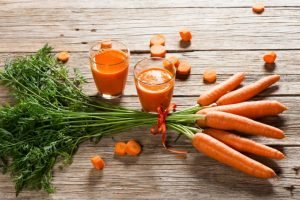
1. Beta carotene: Carrots are a rich source of this powerful antioxidant, which, among other vital uses, ..
-

Tinnitus in the ear can occur due to ear infections, various infections, perforation of the eardrum, ..
-
Comments Off on Pregnancy Calendar – Week 5 of Your Pregnancy

5-week pregnancy “Pregnancy calendar” at week 5: Your baby’s brain is developing. You may feel ..
-
Comments Off on Pregnancy Calendar – Week 4 of Your Pregnancy

4 weeks pregnancy “Pregnancy calendar” at 4th week: A miracle begins! Your baby, now consisting ..
-

Why Broccoli And Cauliflower Deserve A Place On Your Plate
The health benefits of eating more cruciferous vegetables like broccoli and cauliflower extend well beyond their familiar vitamins and minerals. This vegetable family also includes cabbage, Brussels sprouts, bok choy, kale, rocket and mustard greens. Together, these foods provide fibre, plant compounds and a useful range of nutrients that can support everyday wellbeing.
Broccoli and cauliflower are particularly practical choices because they suit many Australian meals. They can be roasted for a weeknight dinner in Melbourne, added to a stir-fry in Brisbane or served raw with a dip at a family barbecue in Perth. Fresh, frozen and pre-cut options are widely available, making them easier to include when time is limited.
A varied diet remains more important than any single ingredient. Cruciferous vegetables work best alongside legumes, whole grains, fruit, nuts, seeds, lean proteins and healthy fats. Eating them regularly may help improve overall dietary quality, especially when they replace highly processed side dishes or large portions of refined carbohydrates.
Individual health needs differ, and preparation methods can affect how well a person tolerates these vegetables. Anyone with a diagnosed thyroid condition, digestive disorder, food allergy or prescribed dietary restriction should seek personalised advice from a GP or accredited practising dietitian. General nutrition information cannot replace medical care.
A Nutrient-Dense Choice For Everyday Meals
Broccoli and cauliflower are naturally low in energy while supplying valuable nutrients. Broccoli is a good source of vitamin C, vitamin K, folate and fibre, with smaller amounts of potassium and vitamin A precursors. Cauliflower contributes vitamin C, vitamin K, folate and fibre as well, although its nutrient profile differs slightly. The exact amounts depend on the variety, serving size and cooking method.
Fibre supports regular bowel function and can help people feel satisfied after meals. It also contributes to a healthy gut environment, where beneficial bacteria ferment some types of fibre and produce compounds involved in gut health. Increasing fibre gradually, drinking enough water and eating a broad selection of plant foods can make the adjustment more comfortable.
These vegetables also contain antioxidants, including carotenoids and flavonoids. Broccoli is especially recognised for glucosinolates, sulphur-containing compounds that are broken down into substances such as sulforaphane. Research into these compounds is ongoing. Laboratory findings are interesting, but they should not be interpreted as proof that broccoli prevents or treats a particular disease in humans.
Protective Plant Compounds And Long-Term Health
Cruciferous vegetables form part of eating patterns associated with better long-term health outcomes. Their combination of fibre, vitamins, minerals and phytochemicals may support cardiovascular health when included in a balanced diet. Replacing processed meats, chips or buttery refined foods with vegetables can improve the overall nutritional balance of a meal.
The Australian Dietary Guidelines encourage people to enjoy plenty of vegetables from different groups and colours each day. Variety matters because green broccoli, white cauliflower, purple cabbage and leafy vegetables contain different combinations of plant compounds. A colourful plate can make it easier to obtain a wider nutritional range without relying on supplements.
Research has examined whether regular cruciferous vegetable intake is linked with a lower risk of some cancers. The possible mechanisms include effects on inflammation, oxidative stress and the body’s natural processing of certain compounds. Findings are not a guarantee of protection, and vegetables cannot cancel out smoking, heavy alcohol use, inactivity or other established risk factors.
For people managing blood glucose, cauliflower can be a useful alternative to some grain-based sides, while broccoli adds fibre and bulk to a meal. The effect still depends on the complete dish. A creamy cauliflower bake or a broccoli meal covered in processed sauce may contain more saturated fat, salt and energy than expected.
Supporting Digestion And Gut Health
The fibre in broccoli and cauliflower helps add bulk to stools and may support regularity. Their fermentable fibres can also nourish some beneficial gut microbes. Since the gut microbiome varies from person to person, there is no single ideal vegetable or guaranteed response. Eating several kinds of vegetables is a more reliable approach than concentrating on one food.
Some people notice bloating, gas or abdominal discomfort after eating large amounts of cruciferous vegetables. This can happen because gut bacteria ferment certain carbohydrates and fibres. Starting with small serves, choosing well-cooked vegetables and increasing portions gradually may help. Keeping a simple food record can identify patterns without requiring unnecessary long-term restriction.
Steaming, microwaving or quickly stir-frying can soften the texture while preserving much of the vitamin content. Boiling for a long time can cause water-soluble nutrients, particularly vitamin C and some B vitamins, to move into the cooking water. If boiling is preferred, using the water in a soup or sauce can retain some of those nutrients.
People with irritable bowel syndrome may be sensitive to specific portions of cauliflower or broccoli, particularly when symptoms are active. The suitable amount varies, and a dietitian can help adapt a low-FODMAP approach without making the diet unnecessarily narrow. Ongoing pain, bleeding, unexplained weight loss or persistent bowel changes need medical assessment.
Choosing, Storing And Preparing Australian Produce
Australian supermarkets, greengrocers and farmers’ markets commonly stock broccoli and cauliflower throughout the year, with seasonal availability affecting price and quality. At a Sydney or Adelaide market, look for firm heads, crisp leaves and an even colour. Avoid produce with extensive soft spots, a strong unpleasant smell or signs of mould.
Frozen vegetables are a practical alternative and can be just as useful nutritionally. They are often frozen soon after harvesting, which helps retain many nutrients. Frozen broccoli and cauliflower can be added directly to soups, curries and tray bakes. Check the ingredient list for plain vegetables when you want to limit added salt, sauces or cheese.
A few simple preparation methods can keep these foods appealing:
- Roast florets with olive oil, garlic, pepper and a squeeze of lemon.
- Steam broccoli and serve it with tahini, yoghurt or toasted seeds.
- Blend cooked cauliflower into soup with beans, herbs and reduced-salt stock.
- Add chopped broccoli stems to fried rice, pasta sauce or vegetable fritters.
- Stir-fry cauliflower with tofu, ginger and other seasonal vegetables.
Washing fresh produce under running water is sensible, but soap and household cleaners should not be used. Cut away damaged areas and keep prepared vegetables refrigerated in a clean container. Food Standards Australia New Zealand provides food safety guidance, while Australian state and territory rules govern many local food businesses and handling practices.
Making Cruciferous Vegetables Easy To Eat More Often
The most sustainable approach is to fit these vegetables into familiar meals rather than treating them as a special health project. Add grated cauliflower to a vegetable mince sauce, combine broccoli with chickpeas in a salad or use roasted florets in a wholegrain wrap. Frozen portions can reduce waste for people who cook for one or have unpredictable schedules.
Australian households also need to consider cost, transport and food waste. Buying a whole cauliflower can be economical when the leaves and stalk are used in soups, slaws or stir-fries. Broccoli stems can be peeled and sliced, while slightly limp florets can be cooked rather than discarded. Farmers’ markets may offer seasonal bargains, although supermarkets provide convenience and predictable availability.
Helpful habits for building variety include:
- Keep one fresh and one frozen cruciferous vegetable available.
- Add a vegetable to lunch as well as the evening meal.
- Use herbs, spices, citrus and vinegar instead of relying on excess salt.
- Pair vegetables with beans, eggs, fish, chicken, tofu or whole grains.
- Change the cooking method when a food begins to feel repetitive.
People looking for broader nutrition information can also review protected contact details when contacting the publisher about general content. Health information should remain separate from individual diagnosis or treatment advice, and supplement products should not be assumed to provide the same benefits as whole vegetables.
Australian food labelling is regulated through the Food Standards Code, administered by Food Standards Australia New Zealand. Packaged vegetable products may display nutrition information, ingredient lists and allergen statements, while voluntary systems such as the Health Star Rating can help compare some packaged foods. Reading the full label is still useful, particularly for sodium, added fats and sauces.
Getting More Benefits From A Balanced Plate
A serving of broccoli or cauliflower is most valuable when it forms part of a balanced meal. Try pairing roasted cauliflower with lentils and brown rice, or serving broccoli beside grilled salmon and potatoes. Healthy fats from olive oil, avocado, nuts or seeds can improve flavour and help make vegetables satisfying.
Cooking does not remove every benefit, and raw is not automatically better. Lightly cooked broccoli may be easier to chew and digest, while raw florets can provide crunch in salads and slaws. A mix of preparation methods allows people to enjoy different textures and makes regular vegetable intake easier to maintain.
Cruciferous vegetables are safe for most people when eaten as ordinary foods. Very large amounts of raw vegetables or concentrated supplements are a different matter and may cause digestive discomfort. People taking medication or managing a medical condition should discuss concentrated herbal or vegetable extracts with a qualified health professional before using them.
Including broccoli, cauliflower and their relatives several times a week can gradually strengthen the nutritional pattern of a diet. Their fibre, micronutrients and plant compounds complement a broad selection of foods, giving everyday meals more texture, flavour and variety without requiring complicated recipes.
-

Tea Tree Essential Oil Tea tree oil is often referred to as “medicine cabinet in a bottle,” as it’s ..
-

13 surprising home remedies for acid reflux Before you reach for the heavy-duty, prescription-strength ..
-
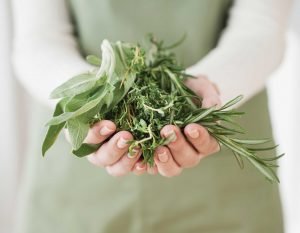
Great Burdock The root is used to treat ‘toxic overload’ that result in throat infections and skin ..