
-

1. Apples Are Nutritious A medium apple is equal to 1.5 cups of fruit. Two cups of fruit daily are recommended ..
-

1.Bananas help overcome depression due to high levels of tryptophan, which is converted into serotonin ..
-
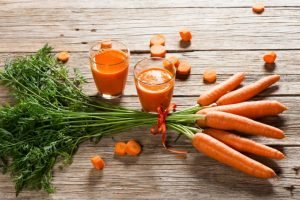
1. Beta carotene: Carrots are a rich source of this powerful antioxidant, which, among other vital uses, ..
-

Tinnitus in the ear can occur due to ear infections, various infections, perforation of the eardrum, ..
-
Comments Off on Pregnancy Calendar – Week 5 of Your Pregnancy

5-week pregnancy “Pregnancy calendar” at week 5: Your baby’s brain is developing. You may feel ..
-
Comments Off on Pregnancy Calendar – Week 4 of Your Pregnancy

4 weeks pregnancy “Pregnancy calendar” at 4th week: A miracle begins! Your baby, now consisting ..
-

How eating more leafy greens can transform your health
Australians have a complicated relationship with vegetables. The average adult still falls short of the two serves of leafy greens per week outlined in the Australian Dietary Guidelines, and recent CSIRO surveys suggest that nine out of ten of us do not eat enough fibre or folate. The fix is hiding in plain sight at the Saturday farmers' markets in Melbourne, the greengrocers of Sydney's inner west, and the produce aisles of every suburban Coles and Woolworths from Perth to Brisbane.
Leafy greens like kale, spinach, silverbeet, rocket, and the native warrigal greens growing wild along the eastern coastline are among the most nutrient-dense foods on the planet. They deliver vitamins, minerals, antioxidants, and fibre in a very low-calorie package, and they slot into almost any meal. From a quick green smoothie before a morning run along the Yarra to a warm sautéed side next to a Sunday roast, the case for eating more of them is stronger than it has ever been.
The dense nutritional profile hiding in every bunch
Few whole foods can match what a single cup of raw spinach or chopped kale delivers. A modest serving provides meaningful amounts of vitamin K, vitamin A, vitamin C, folate, manganese, calcium, and potassium, along with smaller contributions of iron, magnesium, and riboflavin. Spinach is roughly ninety per cent water and very low in energy, which makes it ideal for anyone watching their waistline without sacrificing nourishment. Kale is slightly more calorie-dense and offers a deeper hit of antioxidants and fibre per gram.
The phytonutrients deserve particular attention. Leafy greens contain carotenoids such as lutein and zeaxanthin, glucosinolates that convert into protective isothiocyanates, and a family of flavonoids that work together to neutralise free radicals. These compounds support cellular repair, calm low-grade inflammation, and feed the beneficial bacteria living in the gut. For Australians juggling long commutes between Parramatta and the CBD or long shifts on remote stations, that internal support can be the difference between dragging through the afternoon and finishing the day with energy to spare.
Higher intakes of dark leafy vegetables in early adulthood have been linked in long-term studies to stronger physical function and better cognition in later life. Parents sneaking spinach into frittatas for their kids in Adelaide are quietly building reserves that will matter in forty years.
Common leafy greens worth adding to the rotation
- Kale delivers generous vitamin K1, lutein, and beta-carotene, and holds up well in sautés, salads, and baked chips.
- Spinach is rich in folate, iron, and vitamin C, and cooks down quickly for fast weeknight meals.
- Silverbeet offers magnesium, potassium, and a milder flavour that suits soups, pies, and sautés.
- Rocket brings peppery notes along with vitamin A, calcium, and glucosinolates that support liver detox pathways.
- Warrigal greens, a native Australian spinach alternative, grow readily along the east coast and offer a similar nutrient profile to spinach.
Supporting heart health and keeping blood pressure in check
Cardiovascular disease remains one of the leading causes of death in Australia, and diet plays a substantial role in shaping that risk. Leafy greens are a quiet powerhouse for the heart because they are rich in dietary nitrates, potassium, magnesium, and folate. The nitrates convert into nitric oxide, a molecule that helps blood vessels relax and widen, which in turn keeps blood pressure in a healthier range. Potassium counteracts the effects of sodium, while folate helps break down homocysteine, an amino acid that, when elevated, has been linked to a greater risk of heart attack and stroke.
Researchers behind the PREDIMED study and several meta-analyses since then have consistently found that people who eat the most leafy vegetables tend to have lower rates of coronary heart disease than those who eat the least. The effect appears to be dose-related, so the more you can comfortably work into your week, the better. Swapping a processed side for a generous handful of sautéed silverbeet or throwing extra rocket through a pasta dish are small, practical moves that compound over time.
Because leafy greens are filling and high in water and fibre, they tend to displace less nutritious foods on the plate. A plate that is half-filled with greens leaves less room for chips, refined grains, and heavy sauces, which means the heart benefits are partly direct and partly indirect. The Heart Foundation of Australia routinely highlights this swap in its healthy eating advice, and it is one of the easiest changes a household can make.
Protecting eyes, skin, and the brain with antioxidant power
The eyes are particularly hungry for the carotenoids found in dark leafy vegetables. Lutein and zeaxanthin concentrate in the macula, the central part of the retina responsible for sharp, detailed vision. Eating plenty of kale, spinach, and silverbeet has been shown to raise macular pigment density, which helps filter harmful blue light and lowers the long-term risk of age-related macular degeneration, a condition that affects a meaningful share of Australians over the age of sixty.
Skin often reveals the state of the body's internal antioxidant reserves before anything else does. Vitamin C, beta-carotene, and the polyphenols in leafy greens all contribute to collagen production, help defend skin cells against UV damage, and assist in wound healing. Australians live with some of the highest UV exposure on the planet, so anything that supports the skin from the inside is a useful ally. People in sun-drenched cities like Brisbane or Perth will recognise that diet is one of the few things they can quietly improve every single day.
Cognitive function is another frontier where leafy greens shine. Studies following large groups of older adults, including the Rush Memory and Aging Project, have reported that one or two daily servings of leafy vegetables were associated with significantly slower cognitive decline. The mechanism is thought to involve folate, vitamin K, lutein, and the anti-inflammatory compounds that protect delicate neurons from oxidative stress over many years.
Building stronger bones through vitamin K and calcium
Dairy often gets the spotlight in conversations about bone health, but leafy greens quietly carry their own weight. A single cup of cooked kale delivers well over the daily recommended intake of vitamin K1, a nutrient that is essential for activating osteocalcin, the protein that binds calcium to the bone matrix. Without enough vitamin K, even a calcium-rich diet can struggle to do its job properly. Spinach, while high in calcium, also contains oxalates that slightly reduce absorption, so rotating between varieties is the smart move.
Magnesium plays a supporting role in the same story. Roughly sixty per cent of Australian adults do not meet the estimated average requirement for magnesium, and leafy greens are one of the most reliable food sources around. Magnesium is needed for vitamin D activation, muscle contraction, and the structural integrity of the bone itself. For postmenopausal women, who face a higher risk of osteoporosis, pairing leafy greens with weight-bearing exercise is a straightforward, evidence-based strategy.
Vitamin K also directs calcium away from the arteries, where it can do harm, and into the bones, where it is needed. This double duty makes leafy greens unusual among everyday foods, and it is one reason that population studies tend to link higher green vegetable intake with both stronger bones and a lower risk of vascular calcification.
Helping with weight management and digestive comfort
Weight management is rarely about eating less and almost always about eating smarter, and that is exactly where leafy greens earn their place. Their combination of high water content, generous fibre, and very low energy density means a person can eat a substantial volume of food without a large calorie load. A big bowl of salad built on spinach, rocket, and shaved cabbage with a drizzle of olive oil can be filling, satisfying, and well under three hundred calories.
The fibre in leafy greens comes in two helpful forms. Insoluble fibre adds bulk to stool and helps it pass more quickly through the digestive tract, which reduces the risk of constipation and diverticular disease. Soluble fibre, along with the resistant starch in tougher leaves like kale, feeds the beneficial bacteria in the colon and produces short-chain fatty acids that nourish the gut lining. Australians who travel frequently, whether for work in regional mining towns or holidays across the country, often complain about irregular digestion, and a steady intake of greens is a simple way to keep things moving.
There is also growing interest in the role of leafy greens in blood sugar regulation. The magnesium, fibre, and polyphenols in these vegetables can slow the absorption of carbohydrates from a meal, leading to a flatter post-meal glucose curve. People managing prediabetes or insulin resistance, which is increasingly common in Australia, can benefit from making greens the base of every meal rather than an afterthought.
Simple ways to bring more greens into an Australian kitchen
The good news is that adding more leafy greens to a daily routine does not require complicated recipes or expensive ingredients. Australia's climate, supply chains, and food culture make it easier than many people realise, especially with the rise of weekend markets and the consistent availability of greens in major supermarkets year-round.
- Stock the fridge with a mix of baby spinach, rocket, kale, and silverbeet so a quick handful is always within reach.
- Blend a handful of leaves into fruit smoothies using mango, banana, and a splash of oat milk for a gentle, creamy base.
- Add chopped greens to scrambled eggs, omelettes, frittatas, and savoury muffins instead of leaving them out.
- Stir wilted leaves through pasta, rice, and noodle dishes in the final minute of cooking so they keep their colour and nutrients.
- Roast kale and Brussels-style greens with olive oil and a pinch of sea salt for a crunchy snack that beats takeaway chips.
Readers who want to keep learning about everyday nutrition, home remedies, and healthy living can explore more articles on Healthy Life Live for fresh ideas that fit a busy Australian lifestyle.
A few small kitchen habits make the difference. Massaging chopped kale with olive oil and lemon softens its texture, blanching silverbeet quickly in boiling water removes bitterness, and pairing spinach with vitamin C sources such as lemon or capsicum boosts iron absorption. For households that grow their own, rocket and spinach thrive in raised beds through the cooler months, and warrigal greens grow readily along the east coast as a hardy native alternative, though they should always be blanched before eating.
The shift does not need to be dramatic. A few extra handfuls a day, a couple of new recipes each month, and an openness to trying varieties beyond the usual iceberg lettuce are enough to start changing how the body feels and functions. Over time, the cumulative effect of those small choices shows up in steadier energy, clearer skin, easier digestion, and a quieter sense of long-term resilience that is well worth the effort.
-

Tea Tree Essential Oil Tea tree oil is often referred to as “medicine cabinet in a bottle,” as it’s ..
-

13 surprising home remedies for acid reflux Before you reach for the heavy-duty, prescription-strength ..
-

Great Burdock The root is used to treat ‘toxic overload’ that result in throat infections and skin ..