
-
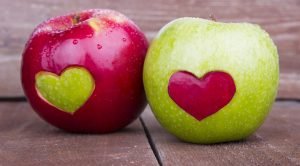
1. Apples Are Nutritious A medium apple is equal to 1.5 cups of fruit. Two cups of fruit daily are recommended ..
-
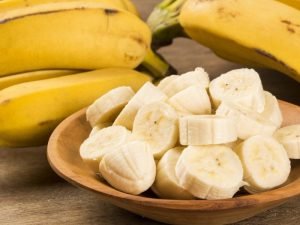
1.Bananas help overcome depression due to high levels of tryptophan, which is converted into serotonin ..
-
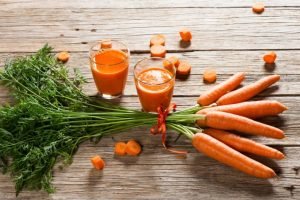
1. Beta carotene: Carrots are a rich source of this powerful antioxidant, which, among other vital uses, ..
-

Tinnitus in the ear can occur due to ear infections, various infections, perforation of the eardrum, ..
-
Comments Off on Pregnancy Calendar – Week 5 of Your Pregnancy

5-week pregnancy “Pregnancy calendar” at week 5: Your baby’s brain is developing. You may feel ..
-
Comments Off on Pregnancy Calendar – Week 4 of Your Pregnancy

4 weeks pregnancy “Pregnancy calendar” at 4th week: A miracle begins! Your baby, now consisting ..
-
Pumpkin seeds and prostate health: what the evidence says
Pumpkin seeds are a compact source of protein, unsaturated fat, minerals and plant compounds. Their nutty flavour also makes them easy to add to porridge, salads, yoghurt and lunchboxes. Eating more can support general nutrition, particularly when it replaces energy-dense snacks high in salt, sugar or saturated fat. The important question for men concerned about prostate health is what pumpkin seeds contribute beyond being another nutritious food.
Research does not show that pumpkin seeds prevent or cure prostate cancer, lower PSA, or shrink an enlarged prostate. Some nutrition studies are promising, while others are too limited to support a strong clinical claim. A sensible approach is to use seeds as part of a broader eating pattern, maintain sensible alcohol and activity habits, and discuss appropriate screening with a health professional. This guide examines the evidence, practical portions and ways to make the change work in an Australian household.
What pumpkin seeds provide
A 30-gram serving of hulled pumpkin seeds supplies roughly 165 to 170 kilocalories, about 7 grams of protein and 14 to 15 grams of fat. It also provides approximately 3 milligrams of zinc and 150 to 170 milligrams of magnesium, plus smaller amounts of copper, phosphorus, thiamin and vitamin E. These figures vary by variety and processing. Many Australian packages use a 30-gram serve, but the nutrition panel should be checked rather than assuming every brand matches.
Most of the fat is unsaturated, including linoleic and oleic acids. Pumpkin seeds also contain phytosterols and antioxidant compounds such as tocopherols. In laboratory and animal studies, concentrated pumpkin-seed extracts or isolated nutrients have influenced pathways connected with oxidative stress, inflammation and hormone signalling. Those mechanisms help explain the research hypotheses, yet they do not prove that eating a snack-sized serving produces a measurable prostate benefit in humans.
Zinc deserves particular attention because it is involved in normal prostate tissue and immune function. Seeds deliver a moderate amount rather than a therapeutic dose, and high-dose zinc supplements can cause adverse effects, including copper deficiency. Whole seeds also provide fibre and satisfy hunger better than isolated oils. Nutritionally rich food is the safer starting point; pumpkin-seed oil, protein powders and supplements should not be treated as equivalent, and people with a seed allergy should avoid them.
What the research shows about prostate protection
Human studies have not yet demonstrated that increasing pumpkin seeds prevents prostate tumours or improves outcomes after a diagnosis. Some observational research has linked regular intake of seeds, nuts and legumes with a lower risk of prostate cancer, while other analyses find weaker or inconsistent associations. Diet is rarely the only variable: smoking, alcohol, physical activity, body weight, family history and whether a man is screened can all affect what researchers measure.
These findings are compatible with an overall plant-rich dietary pattern, including the Mediterranean-style pattern that supports cardiovascular and metabolic health. They cannot isolate pumpkin seeds as the responsible ingredient, and a man who eats seeds may also have other protective habits. General summaries of blood flow research can help explain some biological pathways, but vascular research is not evidence that pumpkin seeds increase blood flow to the prostate or treat a tumour.
For non-cancer prostate problems, the evidence is similarly modest. Benign prostatic hyperplasia can cause frequent urination, a weak stream or difficulty emptying the bladder, and pumpkin seeds have not been shown to reverse these changes. Adequate zinc intake supports normal function, but taking extra zinc has not consistently improved urinary symptoms. Persistent symptoms need assessment because infection, medication effects and other conditions can look similar.
Claims that pumpkin seeds raise testosterone, detoxify the prostate or act as a natural alternative to prescribed treatment are not supported by good clinical evidence. Seeds may be a useful food, but their nutrient profile does not justify promises of prevention. Evidence from cells and animals can point researchers toward useful questions; only well-designed human trials can establish whether a specific amount of seed improves a specific clinical outcome.
Practical ways to add more seeds safely
More does not automatically mean better. Pumpkin seeds are energy-dense, so adding large handfuls without replacing another food can quietly increase calorie intake. No clinical dose has been established specifically for prostate protection. For most adults, a practical starting amount is around 20 to 30 grams daily, adjusted to overall energy needs and dietary goals. Measuring the portion for a week with a kitchen scale is more reliable than estimating.
Preparation matters too. Dry-roasted or raw seeds retain useful nutrients and generally use less added salt than heavily seasoned products. Salted pumpkin seeds can contain several hundred milligrams of sodium in a 30-gram serve, which is particularly worth checking if blood pressure is a concern. Choose products with no added salt where possible, avoid caramel or heavily sweetened coatings, and keep portions moderate if seeds form one component of a mixed snack.
- Use a measured portion of 20 to 30 grams as a starting point, and adjust it according to your energy needs, weight goals and the rest of your diet.
- Choose plain, unsalted seeds and compare sodium levels per 100 grams, because serving sizes and processing methods differ between brands.
- Add a tablespoon to porridge, yoghurt, muesli or a salad rather than treating seeds as an extra snack on top of an unchanged diet.
- Replace processed snacks such as salty crackers, chips or sweets instead of adding pumpkin seeds without removing another food.
- Combine seeds with fruit, vegetables and a protein-rich food to create a balanced snack or meal.
- Continue taking prescribed medicines and arranging appropriate health checks, because dietary changes support medical care rather than replace it.
A useful routine is to prepare a measured serve after breakfast or during the weekly food shop, then divide it across meals. Australian lunchboxes, work desks and car journeys can otherwise turn a handful into several. People who dislike the texture can grind seeds into oat flour, crumb a roast vegetable or mix them into a homemade sauce while keeping the total portion controlled.
Fitting seeds into Australian routines
Shopping locally makes comparison easy. Australian supermarkets such as Coles and Woolworths commonly stock shelled pepitas, whole pumpkin seeds and flavoured snack products, so check the serve and sodium columns rather than relying on package size. Weekend food markets in Melbourne and Sydney also sell locally grown culinary pumpkins, although the familiar edible seed snack is often hulled and may have a different food origin from the flesh sold beside it.
Australian food habits offer several easy uses. Seeds fit school and work lunchboxes, and a small mix with nuts, dried fruit and oats suits bushwalking or a break between meetings. At a barbecue, they can replace salty crackers or chips on a shared table. For Father’s Day in September, a plain roasted seed blend is a practical homemade gift, provided it is clearly labelled and stored away from heat.
Access to preventive healthcare varies across the country. In Sydney, Melbourne, Brisbane and other cities, a general practitioner consultation is supported by Medicare, allowing men to discuss PSA testing according to personal risk and the possible benefits and harms. People in regional, remote and rural areas may face longer travel or appointment waits. Bringing family history, previous test results and a clear list of symptoms can make those consultations more useful.
Knowing when to seek medical advice
PSA is a blood test, not a measure of how healthy someone’s diet is. No food has been proven to lower PSA sufficiently to prevent cancer, and changes in a result must be interpreted alongside medical history, examination and other appropriate tests. Men should discuss when to begin testing, how often to repeat it and what their results mean, particularly when a first-degree relative has had prostate cancer or when other risk factors are present.
Urinary symptoms deserve attention even when a man is eating a nutritious diet. Difficulty passing urine, blood in the urine, urinary retention, fever with urinary symptoms or unexplained bone pain should prompt medical assessment. Frequent urination, nocturia and a weak stream may be associated with benign enlargement, yet a clinician should check for other explanations instead of attributing them to ageing or pumpkin seeds.
Everyday wellbeing also influences how men feel and manage existing conditions. Adequate sleep, regular movement and a balanced diet can support recovery and general men’s health. If morning fatigue leaves you with puffy eyelids or dark circles, puffy eye remedies may offer supportive cosmetic measures, although persistent changes should be assessed rather than assumed to be harmless. Pumpkin seeds can contribute to a varied diet, while evidence-based screening and medical care remain responsible for protecting prostate health.
-
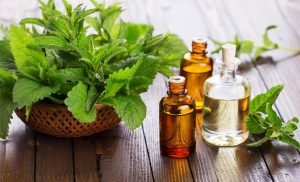
Tea Tree Essential Oil Tea tree oil is often referred to as “medicine cabinet in a bottle,” as it’s ..
-

13 surprising home remedies for acid reflux Before you reach for the heavy-duty, prescription-strength ..
-
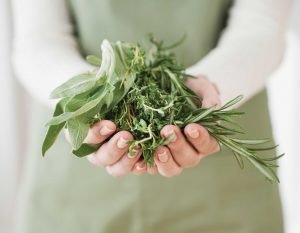
Great Burdock The root is used to treat ‘toxic overload’ that result in throat infections and skin ..