
-

1. Apples Are Nutritious A medium apple is equal to 1.5 cups of fruit. Two cups of fruit daily are recommended ..
-
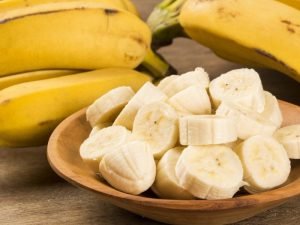
1.Bananas help overcome depression due to high levels of tryptophan, which is converted into serotonin ..
-
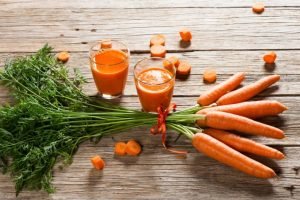
1. Beta carotene: Carrots are a rich source of this powerful antioxidant, which, among other vital uses, ..
-

Tinnitus in the ear can occur due to ear infections, various infections, perforation of the eardrum, ..
-
Comments Off on Pregnancy Calendar – Week 5 of Your Pregnancy

5-week pregnancy “Pregnancy calendar” at week 5: Your baby’s brain is developing. You may feel ..
-
Comments Off on Pregnancy Calendar – Week 4 of Your Pregnancy

4 weeks pregnancy “Pregnancy calendar” at 4th week: A miracle begins! Your baby, now consisting ..
-

Tomatoes for prostate and skin health
Tomatoes sit comfortably on Australian tables, appearing in fresh salads, sandwiches, pasta and the plate beside a sizzling sausage at an Aussie backyard barbie. Their mild flavour and affordable price make them one of the easiest foods to add without changing an entire eating pattern. Yet the idea that a single vegetable can shield a man from prostate cancer or make skin look younger deserves a more careful explanation.
Tomatoes supply lycopene, a red carotenoid with antioxidant activity, along with vitamin C, potassium and folate. The amount of each nutrient changes with variety, ripeness and processing, so claiming that every tomato has identical value would be misleading. Research must also separate an association with health from proof of cause. Some observational studies find links between tomato intake and lower disease risk, while clinical trials and evidence reviews often give a more qualified picture. Tomatoes are best treated as useful foods within a broader pattern rather than as a promised treatment.
For prostate health, lycopene has attracted considerable attention because it is abundant in tomatoes and can be measured in the body. That interest does not mean tomatoes can prevent or cure prostate cancer. Prostate cancer is one of the most commonly diagnosed cancers among Australian men, and nutrition is only one part of risk. Family history, age, genetics, body weight, physical activity and access to appropriate medical follow-up also matter. Food choices can influence general wellbeing and may form part of well-researched dietary patterns associated with better long-term outcomes.
Skin presents a different issue. The nutrients in tomatoes support normal skin function, but ultraviolet radiation remains a major external influence on ageing, burns and skin cancer. Australia’s high ultraviolet levels make that distinction essential: eating tomatoes cannot undo a sunburn or replace shade, protective clothing and broad-spectrum sunscreen. Their practical value lies in adding flavour and plant nutrients to meals while complementing habits that protect health. The evidence for prostate and skin benefits, the effect of preparation and useful everyday choices all depend on this wider context.
What tomatoes contribute nutritionally
Lycopene gives tomatoes their characteristic red, pink and orange colours. It differs from the beta-carotene found in many other vegetables and is particularly concentrated in red tomatoes. Cherry, Roma and beefsteak tomatoes are all useful sources, although their lycopene content can vary widely. Green tomatoes contain less, while heavily processed products may have different nutrient profiles from fresh ones. Tomato vitamin C contributes to collagen formation and normal immune function, while potassium supports fluid balance and the function of nerves and muscles.
Preparation changes what the body receives. Raw tomatoes generally preserve more vitamin C, but heat can break down plant cell walls and make some lycopene easier to absorb. Because lycopene is fat-soluble, a little olive oil, avocado or another dietary fat can improve its absorption. This makes cooked tomato sauce with a modest amount of oil nutritionally useful, even though some heat-sensitive vitamin C is lost during cooking. Chopping and resting cooked tomatoes can also release lycopene into the surrounding oil.
Tinned tomatoes, tomato juice and paste make this nutrient easy to include throughout the week. They are not automatically inferior to fresh produce, but labels matter because some products contain added salt or sugar. Whole tinned tomatoes generally retain more of the vegetable matrix than a strained sauce or concentrated paste. Lycopene supplements cannot reproduce the fibre, potassium, vitamin C and other plant compounds present in food, and evidence for supplements is less convincing than evidence supporting a varied diet. For most people, tomatoes eaten as part of ordinary meals are the simplest choice.
What tomatoes may mean for prostate health
Most prostate-related evidence comes from studies of lycopene intake or blood concentrations rather than trials in which people simply start eating tomatoes and are shown to prevent cancer. Some cohort studies have found that people with higher lycopene intake or concentrations have a somewhat lower risk of prostate cancer, but other studies have found no clear association. Lifestyle factors often occur together in these observations, making it difficult to isolate one food. Tomatoes may contribute to a healthful pattern, but a daily tomato does not guarantee protection.
Randomised trials have also produced mixed results, particularly for lycopene supplements. Small studies have explored biomarkers or changes in prostate tissue, while larger studies have not consistently shown fewer cancers. Supplements are not established treatments for benign prostate enlargement, prostatitis or prostate cancer, and they should not delay prescribed care. Anyone with a family history, new urinary changes or concerns about screening should discuss the issue with a GP. Blood in the urine, difficulty emptying the bladder or persistent pelvic discomfort needs assessment rather than a dietary experiment.
Tomatoes fit comfortably into broader dietary patterns associated with favourable outcomes, such as those rich in vegetables, fruit, legumes, whole grains, fish, nuts and olive oil. These patterns also supply fibre and a wide range of plant compounds while limiting heavily processed meat and excess saturated fat. Pasta with tomato sauce, lentil stew and plenty of vegetables can provide that combination without an expensive specialty diet. The goal is an enjoyable and sustainable routine rather than chasing a single supposed protective nutrient.
Tomatoes are low in energy and add bulk, moisture and flavour to meals, which can help create satisfying portions. Individual conditions still matter where a clinician has prescribed dietary changes, particularly for kidney disease or potassium management. Tomatoes do not provide enough fibre to act like a dedicated fibre source, so they should complement rather than replace legumes, oats, other vegetables and whole fruit. Their prostate-related role is plausible and supportive, but neither exceptional nor guaranteed.
Skin health and the Australian sun
Tomato nutrients can become part of the skin’s antioxidant defences, and vitamin C is necessary for collagen production and normal skin repair. Carotenoids are deposited in skin and other tissues, where they may help moderate some processes caused by internal and external oxidative stress. This biological role does not mean that eating a tomato produces a visible facial glow. Skin appearance is also influenced by genetics, hydration, sleep, smoking, hormonal changes and cumulative sun exposure, and food cannot control all those factors.
Small studies suggest that lycopene-rich diets or supplements may influence markers of ultraviolet-induced stress, but evidence for clear, lasting changes in wrinkles, pigmentation or skin cancer prevention is not established. Large tomato portions will not protect an exposed face at the beach. Applying tomato juice or paste to skin is a separate matter: acid can irritate sensitive skin, and home remedies carry a risk of dermatitis without proven benefit. Sunscreen, shade, clothing and limiting intense exposure remain the more dependable protective measures.
Australia’s UV index can reach extreme levels, particularly during warmer months, yet ultraviolet harm can occur throughout the year. Broad-spectrum SPF 50+ sunscreen, regular reapplication, a hat, shade and clothing that covers exposed skin make more sense than any food-based shortcut. Protection also needs to be adjusted for swimming, sweating and long periods outdoors, including many Australian workplaces and recreational activities. Regular skin checks and prompt review of changing moles or non-healing spots remain important regardless of tomato intake.
Australian food habits and tomato choices
Australian menus offer many easy openings for tomato. Slices appear on breakfast toast and sandwiches, cherry tomatoes sit beside dips, and tomato sauce is common in pasta, meat pies, curries and barbecue meals. At the arvo barbie, a platter of salad and grilled vegetables can supply a substantial portion without appearing to be formal health food. Familiar flavours make it easier to increase intake gradually. Adding tomatoes to foods already eaten is usually more durable than introducing an unfamiliar ingredient every day.
Supply is another local consideration. Australian tomatoes are grown in districts such as Bowen in Queensland and Sunraysia in Victoria, with production timing varying by region and weather. During cooler months, supermarkets such as Woolworths and Coles may rely more heavily on greenhouse-grown or imported stock. Fresh tomatoes can then cost more or have less flavour, while tinned tomatoes remain a useful year-round option. Greengrocers and local produce markets can offer seasonal bargains, and choosing in-season produce often improves both flavour and value.
Preparation should match the dish. Use fresh tomatoes in salads and sandwiches, roast them with herbs, or simmer whole tinned tomatoes in sauces, soups and bean dishes. A drizzle of extra virgin olive oil supports lycopene absorption, while excessive cooking may reduce vitamin C and create an unappealing texture. Comparing labels can reveal added salt and sugar in canned products. People who enjoy wider discussions about nourishing everyday habits can also listen to a food and wellbeing podcast, while keeping individual medical advice separate from general nutrition.
A practical way to eat more tomatoes
Eating more tomatoes does not require a large serving or a supplement. It means using them regularly across meals that already suit your appetite, budget and schedule. For someone who rarely eats vegetables, a modest addition may be meaningful; for someone who already eats several serves, variety may be the more useful goal. No single daily quantity has been proven to optimise prostate or skin health. Food tolerance, total diet and long-term consistency matter more than chasing a precise number.
- Add sliced tomatoes to breakfast sandwiches, omelettes, eggs or avocado toast rather than treating them as a separate vegetable course.
- Keep tinned tomatoes, juice or passata available for pasta, soups, curries and bean dishes when fresh produce is expensive or out of season.
- Cook tomatoes with a modest amount of olive oil or another healthy fat to improve lycopene absorption without using an excessive amount of oil.
- Check labels on canned and concentrated products, favouring options with less added salt and sugar while keeping tomatoes part of a varied pantry.
- Alternate raw and cooked preparations to enjoy both vitamin C and the increased lycopene availability that heat can provide.
- Follow individual dietary guidance when managing kidney disease, potassium restrictions or another condition, and discuss supplements with a clinician.
Tomatoes bring flavour, colour and useful plant nutrients to foods Australians already enjoy. Their most credible role in prostate and skin health is as part of an overall eating pattern that supports long-term wellbeing. Sun protection and appropriate medical care address major risks that food alone cannot control, while tomatoes remain a valuable and accessible component of the diet around them.
-
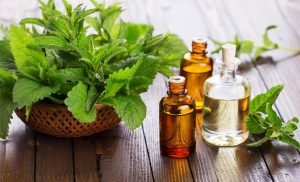
Tea Tree Essential Oil Tea tree oil is often referred to as “medicine cabinet in a bottle,” as it’s ..
-

13 surprising home remedies for acid reflux Before you reach for the heavy-duty, prescription-strength ..
-
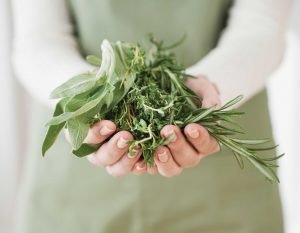
Great Burdock The root is used to treat ‘toxic overload’ that result in throat infections and skin ..