
-
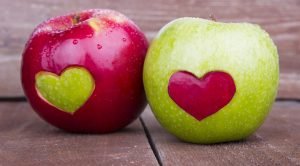
1. Apples Are Nutritious A medium apple is equal to 1.5 cups of fruit. Two cups of fruit daily are recommended ..
-
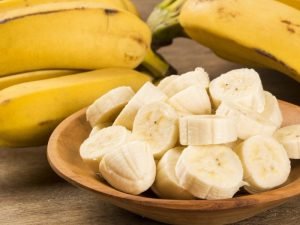
1.Bananas help overcome depression due to high levels of tryptophan, which is converted into serotonin ..
-
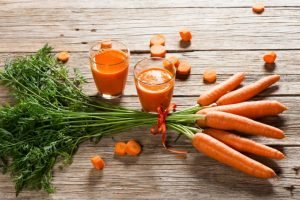
1. Beta carotene: Carrots are a rich source of this powerful antioxidant, which, among other vital uses, ..
-

Tinnitus in the ear can occur due to ear infections, various infections, perforation of the eardrum, ..
-
Comments Off on Pregnancy Calendar – Week 5 of Your Pregnancy

5-week pregnancy “Pregnancy calendar” at week 5: Your baby’s brain is developing. You may feel ..
-
Comments Off on Pregnancy Calendar – Week 4 of Your Pregnancy

4 weeks pregnancy “Pregnancy calendar” at 4th week: A miracle begins! Your baby, now consisting ..
-

The health benefits of fermented foods like kimchi and sauerkraut
Fermented foods have been part of traditional diets for centuries. Kimchi, sauerkraut, yogurt, kefir, miso, tempeh, and naturally fermented pickles are made by allowing beneficial microorganisms to transform the food. This process can improve flavor, texture, digestibility, and shelf life while adding live cultures to the diet.
Kimchi and sauerkraut are especially well known because they are made from vegetables. Cabbage provides fiber and plant compounds, while fermentation produces organic acids and introduces bacteria that may support a diverse gut microbiome. Their benefits depend on the type, preparation method, serving size, and overall eating pattern.
Fermented vegetables are not a cure for digestive or immune conditions, and research is still developing. However, adding small amounts of properly prepared fermented foods to a balanced diet can be a practical way to increase vegetable intake and support digestive wellness.
How fermentation changes vegetables
Lactic acid bacteria naturally present on vegetables consume some of the available sugars during fermentation. They produce lactic acid, which lowers the food’s pH and creates the tangy taste associated with sauerkraut and many forms of kimchi. The acidic environment also discourages the growth of many harmful microorganisms.
Fermentation may make some foods easier to digest because microorganisms begin breaking down certain carbohydrates and other compounds. The process can also create new flavor compounds and may increase the availability of selected nutrients. Still, fermented foods vary widely. A refrigerated, unpasteurized product with live cultures is different from a shelf-stable product that was heat-treated after fermentation.
The beneficial bacteria in fermented vegetables should not be confused with every microbe found in a fermented product. Safe fermentation depends on clean ingredients, the right salt concentration, adequate acidity, and proper storage. Commercial products made according to food safety standards are generally reliable, while home fermentation requires careful technique.
Support for the gut microbiome
The digestive tract contains trillions of microorganisms that interact with food, intestinal cells, and the immune system. A varied diet rich in plant foods supplies fiber and other compounds that can feed helpful microbes. Fermented vegetables may contribute in two ways: they provide vegetable fiber, and some products contain live microorganisms.
A small clinical study published in Cell found that a diet high in fermented foods was associated with greater microbial diversity and lower levels of several inflammatory markers. This does not prove that kimchi or sauerkraut will produce the same result for everyone, but it supports the idea that regular exposure to a variety of fermented foods may benefit gut ecology.
Kimchi and sauerkraut are not always probiotic foods in the strict scientific sense. A probiotic must contain identified live microorganisms in a demonstrated amount and provide a health benefit. Many fermented vegetables contain live lactic acid bacteria, yet the strains and quantities can differ. Look for labels such as “raw,” “unpasteurized,” or “contains live cultures,” while remembering that these terms do not replace safe handling.
The fiber in cabbage also matters. Gut bacteria ferment some dietary fiber into short-chain fatty acids, including acetate, propionate, and butyrate. These compounds help support the intestinal environment and may influence metabolism and immune activity.
Nutrients and potential health effects
Cabbage is a source of vitamin C, vitamin K, folate, and plant compounds such as glucosinolates. Fermentation can preserve some nutrients and may alter the form or availability of certain compounds. Kimchi often includes garlic, ginger, chili, scallions, or radish, adding further plant chemicals and flavor.
The health effects associated with fermented vegetables are likely to come from several features working together: low energy density, fiber, vitamins, minerals, organic acids, and microbial metabolites. Eating them in place of heavily processed side dishes may support a healthier dietary pattern. Research has explored possible links with improved digestion, blood sugar regulation, cardiovascular health, and inflammation, but results vary and do not establish a treatment effect.
Food Common ingredients Potential nutritional contributions Points to watch Sauerkraut Cabbage, salt, sometimes caraway or other spices Fiber, vitamin C, vitamin K, live cultures when unpasteurized Can be high in sodium; heat-treated versions may lack live bacteria Kimchi Napa cabbage or radish, chili, garlic, ginger, scallions, salt Fiber, vitamin C, vitamin K, aromatic plant compounds, live cultures when unpasteurized Spicy recipes may irritate sensitive stomachs; sodium varies Fermented pickles Cucumbers, water, salt, herbs and spices A low-calorie vegetable option with organic acids and possible live cultures Vinegar-only pickles may not be traditionally fermented Kefir Fermented milk or non-dairy liquid with starter cultures Protein, calcium, and live cultures; dairy versions may provide vitamin B12 Check added sugar and suitability for lactose intolerance or milk allergy Fermented foods may also help people enjoy vegetables more consistently. Strong flavor can make a small portion satisfying, which can encourage meals built around beans, whole grains, vegetables, and lean proteins. The benefit comes from the whole meal pattern rather than from treating kimchi or sauerkraut as a concentrated medicine.
Kimchi and sauerkraut in everyday meals
Sauerkraut is usually milder and more simply seasoned than kimchi. It can be served with beans, potatoes, eggs, whole-grain sandwiches, or roasted vegetables. Kimchi has a more complex and often hotter flavor, making it useful in rice bowls, soups added after cooking, wraps, omelets, or noodle dishes.
Because heat can reduce the number of live microorganisms, add fermented vegetables near the end of cooking or serve them cold when practical. Their acidity and saltiness mean that a spoonful or two may be enough to brighten a meal. They can complement a dish without becoming its main source of vegetables.
The nutritional profile changes with the recipe. Some kimchi contains seafood ingredients such as fish sauce or shrimp paste, which matter for people with allergies, dietary restrictions, or pregnancy-related food safety concerns. Sweetened products may contain added sugar, while flavored sauerkraut can include extra sodium or preservatives. Reading the ingredient label helps match the product to individual needs.
Safety, sodium, and personal tolerance
Fermented vegetables are often salty because salt helps create conditions that favor lactic acid bacteria. Frequent large servings may contribute substantial sodium, which is important for people with high blood pressure, kidney disease, heart failure, or a sodium-restricted diet. Choose lower-sodium versions when available and balance them with unsalted foods rather than simply rinsing every product, since rinsing can remove flavor and some beneficial compounds.
Some people experience gas, bloating, loose stools, or abdominal discomfort when they begin eating fermented foods. Start with a small serving and increase gradually if it feels comfortable. Individuals with irritable bowel syndrome may find that certain ingredients, such as garlic, onion, or chili, are more troublesome than the fermentation itself.
Histamine and other biogenic amines can accumulate in fermented foods. People with suspected histamine intolerance or certain migraine triggers may need to limit them under the guidance of a qualified healthcare professional. Fermented vegetables are also acidic and spicy, so they may aggravate reflux, mouth irritation, or an already sensitive digestive tract.
Food safety deserves special attention during pregnancy. Choose commercially prepared products from reputable sources, keep them refrigerated as directed, and avoid foods with signs of spoilage. Pregnant people should check labels for unpasteurized ingredients and avoid products that may contain unsafe raw animal ingredients. Anyone with a weakened immune system should discuss homemade fermentation and unpasteurized foods with a healthcare professional.
Practical ways to add fermented foods
A healthy routine does not require large amounts or multiple servings every day. One or two tablespoons alongside a meal can provide flavor and allow the digestive system to adjust. Fermented vegetables work best as part of a varied diet that also includes fresh produce, legumes, whole grains, nuts, seeds, and adequate fluids.
When shopping, compare the refrigerated section with shelf-stable options. Refrigerated sauerkraut and kimchi are more likely to retain live cultures, although labels and processing methods vary. Select products with recognizable ingredients and moderate sodium, and avoid assuming that an attractive “probiotic” claim guarantees a specific health effect.
Use these simple habits to make fermented vegetables part of a balanced eating pattern:
- Add a small serving of sauerkraut to a bean, egg, or potato meal.
- Use kimchi as a flavorful topping for brown rice, tofu, vegetables, or grilled fish.
- Choose refrigerated products labeled with live or active cultures when that is a priority.
- Check sodium, added sugar, allergen, and pasteurization information before buying.
- Increase portions slowly and record foods that cause digestive discomfort.
Fermented foods can complement medical care, but they should not replace treatment for persistent diarrhea, constipation, abdominal pain, unexplained weight loss, or other ongoing symptoms. A healthcare professional can help identify whether an underlying condition, medication, allergy, or intolerance is involved.
Adding a small serving of kimchi, sauerkraut, or another well-prepared fermented food to regular meals is a simple experiment in better dietary variety. Choose a product that suits your health needs, store it safely, and enjoy it alongside fiber-rich plant foods for a more supportive approach to digestive and whole-body wellness.
-
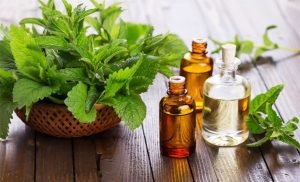
Tea Tree Essential Oil Tea tree oil is often referred to as “medicine cabinet in a bottle,” as it’s ..
-

13 surprising home remedies for acid reflux Before you reach for the heavy-duty, prescription-strength ..
-
Great Burdock The root is used to treat ‘toxic overload’ that result in throat infections and skin ..