
-

1. Apples Are Nutritious A medium apple is equal to 1.5 cups of fruit. Two cups of fruit daily are recommended ..
-
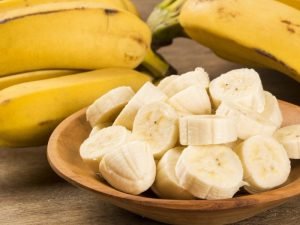
1.Bananas help overcome depression due to high levels of tryptophan, which is converted into serotonin ..
-
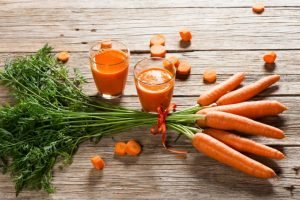
1. Beta carotene: Carrots are a rich source of this powerful antioxidant, which, among other vital uses, ..
-

Tinnitus in the ear can occur due to ear infections, various infections, perforation of the eardrum, ..
-
Comments Off on Pregnancy Calendar – Week 5 of Your Pregnancy

5-week pregnancy “Pregnancy calendar” at week 5: Your baby’s brain is developing. You may feel ..
-
Comments Off on Pregnancy Calendar – Week 4 of Your Pregnancy

4 weeks pregnancy “Pregnancy calendar” at 4th week: A miracle begins! Your baby, now consisting ..
-
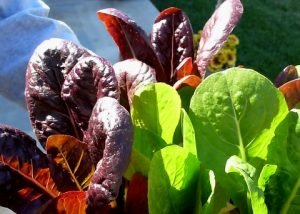
Herbal bitters for digestion and appetite: what the evidence shows
Herbal bitters are concentrated preparations made from plants with a naturally sharp, bitter taste. They are traditionally taken before or after meals to support digestion, stimulate interest in food, and ease occasional feelings of fullness. Common ingredients include gentian, dandelion, artichoke leaf, bitter orange, ginger, peppermint, fennel and chamomile, although formulas vary greatly between products.
The health benefits of herbal bitters for digestion and appetite are often based on traditional use and plausible effects on saliva, stomach secretions and bile flow. Modern research is still limited, and bitters are not a treatment for ongoing abdominal pain, unexplained weight loss or diagnosed digestive disease. For Australians considering a liquid extract, tea or capsule, the ingredients, dose and safety information matter as much as the word “natural” on the label.
How bitter herbs may support digestion
Bitter compounds activate taste receptors in the mouth and digestive tract. This may encourage saliva production and trigger early digestive responses before food reaches the stomach. Some traditional systems describe this process as “priming” digestion, although the strength of the effect differs between herbs and individuals.
Certain plants used in digestive bitters have additional properties. Ginger may help with nausea and support normal movement through the stomach, while peppermint can relax intestinal muscle in some people. Fennel is traditionally used for gas and cramping, and chamomile is valued for its gentle soothing qualities. These effects should not be assumed for every commercial blend, since a product may contain only small amounts of each plant.
Bitter preparations may also influence gastric secretions and the release of digestive hormones. Artichoke leaf and dandelion are frequently included in formulas marketed for sluggish digestion, while gentian provides a strong bitter taste. Evidence from small studies and traditional use suggests possible benefits for occasional bloating or post-meal discomfort, but large, high-quality clinical trials are still needed.
A digestive aid cannot compensate for eating too quickly, inadequate fluid intake, very large meals or a diet that consistently lacks fibre. Regular movement, gradual dietary changes and attention to food triggers remain important foundations for comfortable digestion.
Possible effects on appetite and meal interest
Bitters are sometimes used when appetite feels temporarily low after illness, stress, travel or a period of digestive upset. Their sharp taste may stimulate saliva and create a stronger sensory response to food. For someone who feels full quickly or finds meals unappealing, taking a small amount before eating may make food seem more inviting.
The appetite effect is not guaranteed and is unlikely to be dramatic. Loss of appetite can arise from infection, medication side effects, anxiety, depression, reflux, constipation, liver disease and many other conditions. A bitter tonic may mask a symptom without addressing its cause, particularly if poor appetite continues for more than a short period.
People seeking healthy weight gain should focus on nourishing meals and snacks that provide protein, energy, vitamins and minerals. A bitter product does not supply meaningful nutrition by itself. In older adults, children and people recovering from surgery or serious illness, reduced appetite deserves professional assessment because inadequate intake can lead to loss of muscle and delayed recovery.
Some products contain alcohol, sugar or stimulating ingredients. These additions may be unsuitable for children, people avoiding alcohol, those managing diabetes or anyone sensitive to caffeine-like compounds. Reading the full ingredient panel is essential, especially when a product is promoted as a general appetite enhancer.
Common ingredients in bitter formulations
Gentian root is one of the most intensely bitter traditional herbs. It is used in small quantities in tinctures and aperitif-style preparations. Dandelion root and leaf are also common, particularly in products marketed for digestion and liver support. Traditional claims about “detoxing” the liver are often broader than the available evidence; the body already has highly developed systems for processing and removing waste.
Artichoke leaf extract has been studied for indigestion and changes in cholesterol, although the evidence is mixed and products differ in concentration. Ginger has better support for some forms of nausea, including nausea related to pregnancy, but a ginger-containing bitter is not automatically appropriate for every pregnant person. Peppermint may soothe intestinal spasms, yet it can aggravate heartburn or reflux in some people.
Other blends include wormwood, liquorice, turmeric, milk thistle, cinnamon, gentianella or bitter orange. Wormwood requires particular caution because concentrated preparations may contain thujone, a compound associated with toxicity at high exposure. Liquorice can raise blood pressure and lower potassium when consumed regularly or in substantial amounts.
In Australia, bitters may be sold through health-food shops, naturopathic practices, pharmacies, supermarkets and online retailers. Products supplied through Australian pharmacies may carry an AUST number or AUST-L number from the Therapeutic Goods Administration, but registration does not mean every traditional claim has strong clinical proof. Imported products can have different quality controls, labels and serving recommendations.
Safe use and possible side effects
For a healthy adult, a product used according to its Australian label may be reasonable for short-term, occasional digestive discomfort. Start with the recommended serving rather than taking extra drops or capsules because a stronger taste does not necessarily provide greater benefit. Liquid tinctures are often diluted in water, but the directions should be followed carefully.
Possible side effects include nausea, abdominal cramping, diarrhoea, headache, allergic reactions and worsening reflux. Concentrated herbs can irritate the stomach, particularly when taken on an empty stomach. Anyone who develops swelling, breathing difficulty, severe vomiting or signs of an allergic reaction needs urgent medical attention.
Bitters may interact with medicines. Examples include anticoagulants, diabetes medicines, blood-pressure treatments, diuretics, sedatives and medicines affected by liver enzymes. Peppermint, liquorice, turmeric and bitter orange each have different precautions, while multi-herb formulas can make interactions difficult to predict.
People with gallstones, bile-duct obstruction, stomach ulcers, severe reflux, inflammatory bowel disease or significant liver or kidney problems should obtain medical advice before using a bitter tonic. Herbs that stimulate bile flow may be unsuitable for some gallbladder conditions. A pharmacist can review the ingredient list against prescription and over-the-counter medicines.
Pregnancy, breastfeeding and children
Pregnancy is a time for extra caution with concentrated herbal products. The safety of many bitters has not been established in pregnant or breastfeeding people, and some formulas contain alcohol or herbs that may affect the uterus, blood pressure or fluid balance. A product used as a casual digestive aid before pregnancy may not be appropriate during the first trimester.
Ginger in food or a suitable pregnancy product may help some people with nausea, but this does not make every ginger-based bitter safe. Wormwood, high-dose liquorice, bitter orange and multi-ingredient tinctures deserve particular caution. Pregnant people in Sydney, Melbourne, Perth or elsewhere in Australia should discuss a product with a GP, midwife or pharmacist before use.
Children should not be given adult bitters unless a qualified health professional has recommended a specific paediatric product and dose. Alcohol-containing tinctures are especially unsuitable for children. Poor appetite, persistent stomach pain, repeated vomiting or weight loss in a child needs medical assessment rather than self-treatment with an herbal remedy.
Breastfeeding parents should consider whether herbal constituents or alcohol could pass into breast milk. Reliable information may be available through an Australian pharmacist, GP or the Pregnancy, Birth and Baby service. Keeping the packaging available makes it easier for a health professional to assess the exact formula.
Choosing and using bitters responsibly
Look for a complete ingredient list, clear serving instructions, batch or expiry details and information about the manufacturer or sponsor. Products purchased from a reputable Australian pharmacy or established health retailer are easier to trace if a quality concern arises. Be cautious with online products that promise to “cleanse” the body, melt fat or produce rapid appetite changes.
A bitter tea can be gentler than a concentrated tincture, although its strength still depends on the herbs and brewing time. Taking a small serving before a meal is traditional, while some products are designed for use after eating. Alcohol-free glycerite preparations may suit people avoiding alcohol, but they are not automatically more effective or safer.
Keep a record of any new product, the serving used and changes in symptoms. Stop if it causes persistent heartburn, diarrhoea, rash, palpitations or abdominal pain. If there is no clear benefit after a short trial, continuing indefinitely is unlikely to be worthwhile.
Seek medical advice for black or bloody stools, repeated vomiting, jaundice, fever, difficulty swallowing, severe or localised abdominal pain, dehydration or unintentional weight loss. In Australia, urgent symptoms can be assessed through a GP, healthdirect on 1800 022 222, or emergency services on 000 when the situation is life-threatening. Herbal bitters may have a modest role in occasional digestive discomfort, but they should sit alongside appropriate diagnosis and evidence-based care rather than replace it.
-
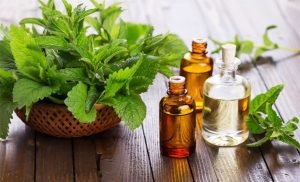
Tea Tree Essential Oil Tea tree oil is often referred to as “medicine cabinet in a bottle,” as it’s ..
-

13 surprising home remedies for acid reflux Before you reach for the heavy-duty, prescription-strength ..
-
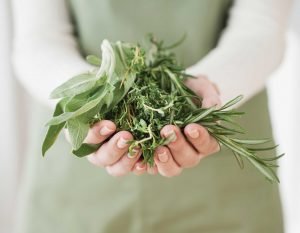
Great Burdock The root is used to treat ‘toxic overload’ that result in throat infections and skin ..