
-

1. Apples Are Nutritious A medium apple is equal to 1.5 cups of fruit. Two cups of fruit daily are recommended ..
-

1.Bananas help overcome depression due to high levels of tryptophan, which is converted into serotonin ..
-
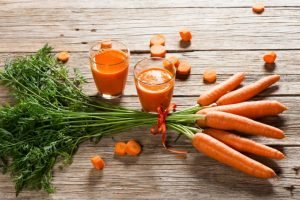
1. Beta carotene: Carrots are a rich source of this powerful antioxidant, which, among other vital uses, ..
-

Tinnitus in the ear can occur due to ear infections, various infections, perforation of the eardrum, ..
-
Comments Off on Pregnancy Calendar – Week 5 of Your Pregnancy

5-week pregnancy “Pregnancy calendar” at week 5: Your baby’s brain is developing. You may feel ..
-
Comments Off on Pregnancy Calendar – Week 4 of Your Pregnancy

4 weeks pregnancy “Pregnancy calendar” at 4th week: A miracle begins! Your baby, now consisting ..
-

Health Risks of Processed Meats and Smart Swaps for Everyday Meals
Australians love their snags, bacon rashers on a Sunday morning, and ham toasties at the footy. Yet behind the smoky aroma and the convenience of pre-packaged slices lies a growing body of evidence that frequent consumption of processed meats carries serious health concerns. Recent updates from Cancer Council Australia and the Australian Institute of Health and Welfare have placed these products firmly in the spotlight, particularly given that bowel cancer remains one of the nation's deadliest diagnoses.
Processed meats are generally defined as any meat that has been transformed through salting, curing, fermentation, smoking, or the addition of chemical preservatives. Common examples line nearly every fridge across Melbourne, Brisbane, and Adelaide: ham, bacon, salami, pepperoni, devon, cabanossi, and frankfurts. The World Health Organization classified these foods as Group 1 carcinogens in 2015, a category shared with tobacco and asbestos, though the absolute risk at typical consumption levels is considerably lower.
Cutting back does not mean surrendering flavour or abandoning long-held family traditions. A wide range of satisfying replacements is now available in major Australian supermarkets, farmers' markets, and even at the iconic Bunnings sausage sizzle, where plant-based patties have started appearing alongside the traditional beef snags. Exploring the science behind the warnings and identifying practical ways to enjoy food without the same level of risk can transform everyday eating habits.
What Counts as Processed Meat
The Australian Dietary Guidelines define processed meat narrowly but clearly: meat preserved by smoking, curing, salting, or by the addition of chemical preservatives such as nitrites and nitrates. This includes everyday items such as sliced sandwich ham, bacon rashers, prosciutto, chorizo, salami, pepperoni, kabana, and most pre-cooked chicken strips flavoured with additives.
Some products sit in a grey zone. For instance, plain mince from a Sydney butcher counter is not processed meat, but seasoned sausages with preservatives found at Coles or Woolworths typically are. Similarly, smoked salmon sold in vacuum-sealed packs usually qualifies because of the curing salts used during processing. The key question to ask is whether the product has been deliberately preserved to extend shelf life or enhance flavour, which usually points to processing.
Not every step in a processing chain is identical. Some Australian artisanal producers now use celery powder or natural curing agents as alternatives to synthetic nitrites, marketed under labels like "no added nitrates" or "uncured." While these may reduce certain chemical exposures, the sodium content is often unchanged, and the underlying meat structure is still considered processed by health authorities.
The Health Concerns Behind the Warnings
The most discussed link is colorectal cancer. A review coordinated by the International Agency for Research on Cancer found that each 50-gram daily serving of processed meat, roughly two slices of bacon, raises the lifetime risk of bowel cancer by about 18 percent. Bowel cancer is currently the second most common cause of cancer death in Australia, with the National Bowel Cancer Screening Program sending free test kits to Australians turning 50 and above.
Cardiovascular complications follow closely. Many processed meats contain high amounts of sodium, sometimes upwards of 1,000 milligrams per 100-gram serving, which contributes to hypertension. A 2021 analysis from the George Institute for Global Health, based in Sydney, confirmed that Australians who regularly consume cured meats face elevated rates of stroke and coronary heart disease. Saturated fat content also remains a persistent concern, particularly in products such as pork sausages and fatty bacon rashers.
Diabetes risk joins the picture. Long-term research from the Harvard School of Public Health, frequently cited by Diabetes Australia, showed that regular processed meat eaters face a 19 percent higher risk of developing type 2 diabetes compared with people who eat very little. Preservatives such as nitrites may interfere with insulin signalling, while the high caloric density contributes to weight gain, itself a diabetes driver.
Other effects that receive less attention include the impact on kidney function due to high salt loads, possible links to neurodegenerative conditions, and the development of chronic obstructive pulmonary disease in heavy consumers. Even the way these meats are cooked matters. Charring snags on a hot Aussie barbecue, common at gatherings in Perth and Darwin backyards, produces heterocyclic amines and polycyclic aromatic hydrocarbons, additional compounds linked with cancer risk.
Quantities Australians Tend to Eat
Per capita consumption of processed meat in Australia is among the highest globally. According to the Australian Bureau of Statistics' most recent health survey, the average adult consumes around 27 kilograms of processed pork and beef products annually. Men aged 19 to 50 eat the most, often exceeding 50 grams per day, which is roughly three slices of ham or two rashers of bacon.
Cultural habits make reduction difficult. The classic Aussie meat pie sold at footy matches, sausage rolls from bakeries in Melbourne's laneways, and bacon-wrapped everything at suburban Christmas functions all reinforce regular intake. Cultural events such as Melbourne Cup luncheons, ANZAC Day gatherings, and Australia Day celebrations frequently centre on cured and smoked meats.
The good news is that consumption has begun to shift. Wholefood stores across Adelaide and Brisbane have reported steady growth in plant-based protein sales, and chains such as Grill'd now offer Beyond Burger options on their menus. School canteens in New South Wales and Victoria have also begun phasing out highly processed deli meats, replacing them with lean grilled chicken, hummus wraps, and legume-based salads.
Practical Swaps for Everyday Meals
Breakfast is the easiest place to start. Instead of streaky bacon on sourdough, try grilled portobello mushrooms brushed with olive oil and a sprinkle of smoked paprika. For those in Sydney's inner west and Byron Bay, plant-based bacons from brands like La Vie Factory and Funky Fields are stocked in most independent grocers. Eggs remain a fine choice, but pairing them with wilted spinach, avocado, or oven-roasted tomatoes adds fibre and reduces the meal's overall sodium load.
Lunch sandwiches can be reshaped without losing satisfaction. Swap sliced ham for shredded slow-cooked chicken breast seasoned with lemon and herbs, or use roasted red capsicum and feta for a Mediterranean twist. Hummus with grated carrot, sliced cucumber, and baby spinach makes a quick wrap that holds up well in school lunchboxes. Tinned tuna or salmon provides omega-3 fatty acids and pairs well with avocado on wholegrain bread.
Dinner invites the broadest substitution. Replace minced meat in bolognese with a mixture of lentils, mushrooms, and walnuts, a blend that delivers hearty texture and absorbs pasta sauce beautifully. Chicken thigh fillets, white fish, or firm tofu can take the place of bacon in carbonara-style dishes, with the umami depth coming from parmesan and slow-cooked onions. For those reluctant to abandon meat entirely, choosing unprocessed cuts such as a grass-fed steak from a Tasmanian producer once or twice a week represents a sensible compromise.
Snacks and entertaining deserve attention too. A classic cheese board with crackers, olives, and fresh fruit easily replaces a charcuterie spread. For the barbecue enthusiast in suburban Adelaide or regional Queensland, grilled fish skewers, marinated tempeh, or halloumi with lemon wedges offer smoky depth without the curing risks. Many Australian winemakers now host plant-focused tasting events, pairing mushroom-forward canapés with pinot noir for an entirely meat-free experience.
Reading Labels and Eating Out Smarter
Knowing what to look for at the supermarket makes a real difference. FSANZ regulations require ingredient lists to specify additives, including nitrite numbers such as 250 or 251. Choosing products labelled "no added nitrites" or "reduced sodium" is a helpful first step, though not a complete solution. For genuinely unprocessed alternatives, shoppers in Brisbane's West End, Melbourne's Prahran Market, or Sydney's Carriageworks Farmers Market can chat directly with the producer and ask about the curing method.
Dining out requires a slightly different approach. Menus often list short ingredient descriptions, so rather than asking staff whether the brisket is cured, customers can ask whether the dish contains ham, bacon, salami, or sausage. Many chefs are happy to swap cured meats for roasted vegetables, grilled chicken, or additional legumes when requested. Restaurant chains, including those at major shopping centres, have begun introducing dedicated sections highlighting options free of processed meats.
Public information tools offer extra guidance. The LiveLighter campaign, funded by the Victorian Department of Health and Cancer Council Western Australia, provides free resources on reducing processed meat intake for families. Pairing awareness with simple swaps supports steady, lasting change rather than drastic elimination, which is rarely sustainable.
-

Tea Tree Essential Oil Tea tree oil is often referred to as “medicine cabinet in a bottle,” as it’s ..
-

13 surprising home remedies for acid reflux Before you reach for the heavy-duty, prescription-strength ..
-
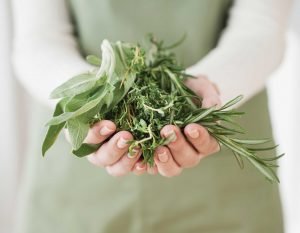
Great Burdock The root is used to treat ‘toxic overload’ that result in throat infections and skin ..