
-
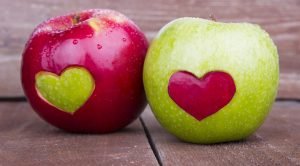
1. Apples Are Nutritious A medium apple is equal to 1.5 cups of fruit. Two cups of fruit daily are recommended ..
-
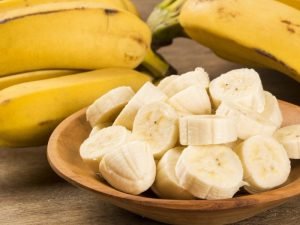
1.Bananas help overcome depression due to high levels of tryptophan, which is converted into serotonin ..
-
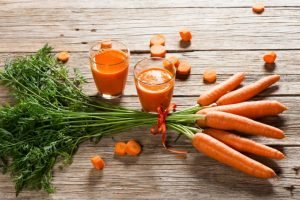
1. Beta carotene: Carrots are a rich source of this powerful antioxidant, which, among other vital uses, ..
-

Tinnitus in the ear can occur due to ear infections, various infections, perforation of the eardrum, ..
-
Comments Off on Pregnancy Calendar – Week 5 of Your Pregnancy

5-week pregnancy “Pregnancy calendar” at week 5: Your baby’s brain is developing. You may feel ..
-
Comments Off on Pregnancy Calendar – Week 4 of Your Pregnancy

4 weeks pregnancy “Pregnancy calendar” at 4th week: A miracle begins! Your baby, now consisting ..
-

Choline And Brain Development During Pregnancy
Pregnancy nutrition supports far more than a growing baby’s calorie needs. Vitamins, minerals, protein, healthy fats, and essential nutrients help build the placenta, blood supply, nervous system, and developing organs. Choline deserves special attention because it contributes to several biological processes involved in fetal brain development.
Choline is a vitamin-like nutrient found in foods such as eggs, fish, meat, dairy products, soy, beans, and some vegetables. The body can produce a small amount, but this internal supply is usually not enough to meet the increased demands of pregnancy. A balanced eating pattern can help, although some people may need to discuss supplements with a healthcare professional.
Research has connected adequate maternal choline intake with fetal neural development, memory-related brain structures, and the formation of cell membranes. These findings do not mean that choline guarantees a particular cognitive outcome, but they show why it belongs in conversations about prenatal nutrition and healthy pregnancy development.
What Choline Does In The Developing Body
Choline supports the production of phosphatidylcholine, a major component of cell membranes. During pregnancy, the fetus is rapidly making new cells, so the demand for membrane-building nutrients rises. Choline also contributes to the creation of acetylcholine, a neurotransmitter involved in memory, learning, muscle movement, and communication between nerve cells.
Another important role is methylation. Choline can be converted into betaine, which helps transfer methyl groups involved in gene regulation and cellular metabolism. These processes influence how genetic instructions are expressed during development. They do not change the DNA sequence, but they help determine how cells grow and specialize.
The fetal brain and nervous system develop through a carefully timed series of events, including cell division, migration, and the formation of connections between neurons. Choline participates in several pathways supporting these events. It also helps maintain the structure of nerve-cell membranes, which are essential for communication throughout the brain.
Why Pregnancy Increases The Need
The recommended adequate intake for adults assigned female at birth is generally 425 milligrams of choline per day, while the pregnancy target is 450 milligrams. During breastfeeding, the recommended amount rises to 550 milligrams daily. These figures are population guidelines, not individualized prescriptions, but they illustrate the additional nutritional requirement during the reproductive years.
Many prenatal vitamins contain folate, iron, iodine, and vitamin D but provide little or no choline. This may happen because choline takes up considerable space in a tablet and because food remains an important source. Checking the Supplement Facts label can reveal whether a prenatal product includes choline and how much it supplies.
Pregnancy also changes dietary patterns. Nausea, vomiting, food aversions, vegetarian or vegan eating, allergies, and limited access to certain foods can make it harder to reach the daily target. A person who avoids eggs, meat, fish, and dairy may still obtain choline through soy foods, beans, quinoa, peanuts, and selected vegetables, but meal planning becomes more important.
Adequate intake should be considered alongside other prenatal needs. For example, magnesium has different functions related to muscles and sleep; readers can learn more about magnesium for sleep, while choline is especially relevant to cell membranes, neurotransmitter production, and fetal nervous-system development.
Food Sources That Provide Choline
Eggs are among the most concentrated and practical food sources. One large egg provides roughly 140–150 milligrams, although the exact amount varies. Eggs also contribute protein, vitamin B12, iodine, and other nutrients useful during pregnancy. They should be cooked thoroughly to reduce the risk of foodborne illness.
Meat, poultry, and fish can make a substantial contribution. Beef, chicken, turkey, salmon, and cod contain choline, while many also provide protein, iron, vitamin B12, or omega-3 fatty acids. Pregnant people should follow local guidance on choosing low-mercury fish and avoid fish species known to contain high mercury levels.
Dairy foods such as milk, yogurt, and cottage cheese offer smaller amounts that can add up across the day. Soybeans, tofu, tempeh, edamame, kidney beans, and other legumes are useful plant-based choices. Cruciferous vegetables, including broccoli, Brussels sprouts, and cauliflower, contain choline as well, though larger servings are generally needed to match the amount found in an egg.
Food source Approximate choline contribution Helpful pregnancy nutrition features One large egg 140–150 mg Protein, vitamin B12, iodine 85 g roasted beef About 100 mg Protein, iron, vitamin B12 85 g roasted chicken About 70–75 mg Protein, selenium, vitamin B6 One cup of milk About 35–40 mg Calcium, protein, iodine One cup cooked soybeans About 115–120 mg Plant protein, fiber, iron One cup cooked broccoli About 60 mg Fiber, vitamin C, vitamin K 85 g cooked salmon About 75–80 mg Protein and omega-3 fats Amounts vary by food variety, serving size, and preparation method. The table is intended as a practical guide rather than a precise dietary prescription. A varied diet usually works better than relying on a single food, particularly because pregnancy nutrition requires many nutrients at the same time.
Choline And Fetal Brain Research
Studies in animals have provided much of the early evidence for choline’s role in brain development. In these experiments, maternal choline intake influenced the development of areas involved in memory and attention. Human research is more complex, but observational studies and controlled trials have also explored links between prenatal choline intake and childhood cognitive outcomes.
Some research suggests that higher maternal choline intake may be associated with improved attention, memory, or information processing in children. Other studies have found less clear results. Differences in dosage, timing, genetics, overall diet, and childhood environment make the evidence difficult to summarize as a single guaranteed benefit.
Choline may also interact with folate and other nutrients involved in one-carbon metabolism. Adequate folate remains essential for reducing the risk of neural tube defects, and choline does not replace folic acid or any other prenatal nutrient. A healthy pregnancy diet should therefore be viewed as a network of complementary nutrients rather than a search for one superfood.
Current evidence supports meeting recommended intake levels, but it does not justify taking very high doses without medical guidance. Researchers are still investigating the best timing and amount of supplemental choline, including whether needs differ according to genetics, diet, or pregnancy complications.
Recognizing Gaps In Dietary Intake
A person may have a higher chance of falling short when the diet excludes several major choline sources. Vegan diets can provide choline through soy, beans, nuts, seeds, and vegetables, but intake should be planned intentionally. People with severe morning sickness may also struggle to consume eggs, meat, or other nutrient-dense foods consistently.
Food records can help identify patterns, although tracking every milligram is not necessary for most people. Looking at a typical day may be enough: Does it include a choline-rich breakfast, a serving of beans or soy, dairy or another fortified food, and a suitable fish, poultry, or plant protein option? Small additions across meals can be more manageable than trying to obtain the full amount at once.
Prenatal supplements vary widely. Some contain choline bitartrate, phosphatidylcholine, or another form, while others leave it out. A healthcare professional, registered dietitian, or prenatal care provider can help interpret the label, especially when a person takes several supplements or has a medical condition affecting nutrition.
High-dose supplements are not automatically safer or more effective. Excess choline may cause a fishy body odor, sweating, low blood pressure, nausea, vomiting, or diarrhea. The adult tolerable upper intake level is 3,500 milligrams per day from food and supplements combined, although individual advice may differ. This upper limit is far above the usual pregnancy target, but it is still wise to avoid unnecessary megadoses.
Practical Ways To Meet The Pregnancy Target
A realistic approach is to distribute choline throughout the day. For example, an egg at breakfast, milk or yogurt with a snack, beans or tofu at lunch, and poultry, fish, or another protein source at dinner can create a strong foundation. People who do not eat animal products can combine soy foods and legumes with vegetables, nuts, seeds, and whole grains.
Simple preparation can make nutrient-rich foods easier to tolerate. Scrambled eggs, yogurt with fruit, tofu added to soup, roasted edamame, bean-based spreads, and broccoli with a main meal are flexible choices. During nausea, smaller portions eaten more frequently may be more comfortable than large meals.
Pregnancy food-safety recommendations remain important. Eggs, meat, poultry, and fish should be cooked to safe internal temperatures. Dairy products should be pasteurized, and fish choices should follow guidance about mercury. These precautions protect against infections and toxin exposure while preserving the nutritional value of the foods.
A choline-conscious daily routine may include:
- Add one egg, tofu serving, or bean-based food to a meal when tolerated.
- Choose low-mercury fish according to pregnancy food-safety guidance.
- Include milk, yogurt, or a suitable fortified alternative if part of the diet.
- Check whether the prenatal supplement contains choline before adding a separate product.
- Discuss dietary restrictions, severe nausea, or supplement doses with a prenatal healthcare professional.
Making Choline Part Of Prenatal Care
Choline is one piece of a broader pregnancy nutrition picture. Protein, folate, iron, iodine, vitamin B12, omega-3 fatty acids, calcium, vitamin D, and healthy fats all support different aspects of maternal and fetal health. Focusing on variety makes it easier to cover several nutritional needs without depending on a single supplement or food.
The goal is consistency rather than perfection. A few days of limited intake do not determine a baby’s future development, and many people can improve their diet gradually as nausea eases or appetite changes. Keeping convenient foods available and discussing practical substitutions can help maintain nutritional adequacy throughout pregnancy.
Anyone who is pregnant or planning pregnancy should review their diet and prenatal supplement with a qualified healthcare professional, particularly when following a restricted diet, managing vomiting, or considering a concentrated choline product. Use reliable food-safety guidance, aim for a varied intake, and make choline part of an informed prenatal nutrition plan.
-

Tea Tree Essential Oil Tea tree oil is often referred to as “medicine cabinet in a bottle,” as it’s ..
-

13 surprising home remedies for acid reflux Before you reach for the heavy-duty, prescription-strength ..
-
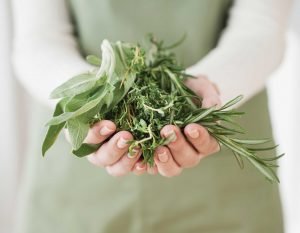
Great Burdock The root is used to treat ‘toxic overload’ that result in throat infections and skin ..