
-

1. Apples Are Nutritious A medium apple is equal to 1.5 cups of fruit. Two cups of fruit daily are recommended ..
-
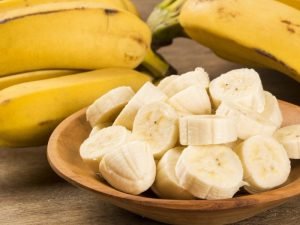
1.Bananas help overcome depression due to high levels of tryptophan, which is converted into serotonin ..
-
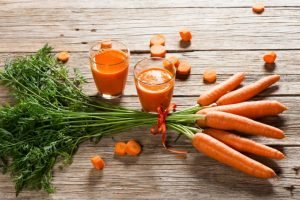
1. Beta carotene: Carrots are a rich source of this powerful antioxidant, which, among other vital uses, ..
-

Tinnitus in the ear can occur due to ear infections, various infections, perforation of the eardrum, ..
-
Comments Off on Pregnancy Calendar – Week 5 of Your Pregnancy

5-week pregnancy “Pregnancy calendar” at week 5: Your baby’s brain is developing. You may feel ..
-
Comments Off on Pregnancy Calendar – Week 4 of Your Pregnancy

4 weeks pregnancy “Pregnancy calendar” at 4th week: A miracle begins! Your baby, now consisting ..
-

Why folic acid matters before and during pregnancy
Folic acid is a B vitamin that supports the rapid cell division and tissue development required for a healthy pregnancy. It is especially important during the earliest weeks, when many people may not yet know they are pregnant. Adequate intake before conception helps build the body’s folate stores before this critical stage begins.
The vitamin is naturally present as folate in foods such as leafy greens, beans, citrus fruits, and avocados. Folic acid is the form commonly added to fortified foods and used in prenatal supplements. Both forms help the body make DNA and red blood cells, although supplements provide a more consistent amount during a time when nutritional needs rise.
Taking a prenatal vitamin is one practical way to support daily intake, but supplements work best alongside a varied diet and routine prenatal care. A healthcare professional can recommend the right dose based on medical history, medications, diet, and previous pregnancy outcomes.
What folate does in early development
Folate helps cells divide and supports the formation of genetic material. In the first month after conception, the embryo’s neural tube develops into the brain and spinal cord. The neural tube closes very early, usually by the fourth week of pregnancy, which is why beginning folic acid before conception is so valuable.
Insufficient folate during this period increases the risk of neural tube defects, including spina bifida and anencephaly. These conditions develop before many routine pregnancy appointments take place. Regular folic acid intake cannot prevent every birth defect, yet it can significantly lower the risk of neural tube defects when taken at the recommended time and dose.
Folate also contributes to the production of healthy red blood cells. During pregnancy, blood volume expands to support the placenta and growing baby. A diet low in folate can contribute to megaloblastic anemia, which may cause tiredness, weakness, shortness of breath, or pale skin. Those symptoms can have many causes, so testing and professional guidance are important.
Why timing before conception matters
Health authorities commonly recommend that people who could become pregnant take 400 micrograms of folic acid daily, beginning at least one month before conception and continuing through the first 12 weeks of pregnancy. Since many pregnancies are unplanned, taking it regularly during the reproductive years may help close the gap between conception and recognizing a pregnancy.
The first trimester remains a key period, but folate needs continue throughout pregnancy. The general recommended dietary allowance for pregnancy is 600 micrograms of dietary folate equivalents (DFE) per day from food, supplements, or both. A prenatal supplement may contain 400 to 800 micrograms of folic acid, while fortified grains and naturally folate-rich foods contribute additional amounts.
People who are trying to conceive can discuss supplement choices during a preconception visit. This appointment is also a useful time to review diabetes, digestive conditions, antiseizure medicines, previous pregnancies, and other factors that may affect folate absorption or increase the chance of a neural tube defect.
Food sources that support a folate-rich diet
A balanced eating pattern can provide natural folate and other nutrients needed for pregnancy. Dark green vegetables, asparagus, broccoli, Brussels sprouts, lentils, black beans, chickpeas, and peas are useful choices. Oranges and other citrus fruits, avocado, peanuts, and some nuts also provide folate.
Many countries fortify flour, bread, pasta, rice, breakfast cereals, or other grain products with folic acid. Checking the nutrition label can help identify how much a serving contributes. Fortified foods are especially useful for people who find it difficult to eat vegetables regularly, although they should not replace a varied diet.
Cooking methods can affect folate content because some of the vitamin may be lost in water or through prolonged heating. Steaming vegetables, using small amounts of water, and including some raw produce can help preserve nutrients. Washing produce carefully and following pregnancy food-safety advice remain important.
Nutrition during pregnancy may influence several body systems beyond fetal development. For example, researchers continue to study relationships between diet, digestion, and gut bacteria and mood, although this topic does not change the established role of folic acid in neural tube development.
Supplement amounts and higher-risk situations
For many adults, a daily supplement containing 400 micrograms of folic acid is appropriate before pregnancy and during the first trimester. Some prenatal products contain more, and the label may express the amount as folic acid or DFE. A pharmacist or clinician can explain the label and help prevent accidental duplication when several fortified products or supplements are used.
A higher prescription dose may be recommended for people with a previous pregnancy affected by a neural tube defect. Other possible risk factors include certain seizure medicines, malabsorption conditions such as celiac disease or inflammatory bowel disease, gastric bypass surgery, and some forms of diabetes. Body weight and other personal factors may also influence clinical advice.
High-dose folic acid should be taken only under medical supervision. The appropriate amount and duration vary by country and by individual circumstances. A person with a prior neural tube defect pregnancy should arrange care before conception rather than increasing over-the-counter supplements independently.
Folic acid is generally well tolerated at recommended levels, but very high intake can complicate the recognition of vitamin B12 deficiency by improving anemia while nerve damage continues. This is one reason a clinician may review diet, symptoms, laboratory results, and medication use before recommending a larger dose.
Source or situation Typical contribution Practical point Folic acid supplement before conception Often 400 mcg daily Begin at least one month before conception when possible Prenatal vitamin Commonly 400–800 mcg folic acid Check the label before adding another supplement Lentils, beans, and peas Naturally rich in folate Include them in soups, salads, or main meals Leafy green vegetables Useful natural folate source Steaming can help limit nutrient loss Fortified breads and cereals Varies by product and serving Use the nutrition label to compare amounts Clinically high-risk pregnancy May require a prescription dose Follow an individualized healthcare plan People who may need individualized advice
A standard prenatal vitamin is not automatically suitable for everyone. People taking anticonvulsants, methotrexate, or other medicines that affect folate should speak with the prescribing clinician before conception. Medication should never be stopped suddenly because of pregnancy planning without professional instruction.
Digestive disorders can make it harder to absorb nutrients. Ongoing diarrhea, unexplained weight loss, prior intestinal surgery, or a diagnosed malabsorption condition deserves medical attention. A healthcare professional may recommend blood tests or a different supplement strategy.
Folate needs can also be overlooked when morning sickness is severe. Frequent vomiting may make it difficult to keep down food or prenatal vitamins and can lead to dehydration or nutritional deficiencies. Contacting a maternity care provider is important if fluids cannot be kept down, urination decreases, or weakness becomes pronounced.
A vegetarian or vegan diet can be nutritious during pregnancy, but it should be planned to provide vitamin B12, iron, iodine, protein, calcium, vitamin D, and omega-3 fats as needed. Folic acid addresses one essential nutrient; it does not cover every nutritional requirement.
Making daily use easier and safer
Consistency matters more than taking a large amount occasionally. Taking a supplement at the same time each day, such as with breakfast, can make it easier to remember. People who experience nausea may tolerate it better with food or at a different time of day, provided the product directions allow it.
A prenatal vitamin should be stored safely and kept away from children because iron-containing products can be dangerous in large amounts. Avoid taking multiple multivitamins unless a clinician has reviewed the total nutrient intake. Some supplements marketed for fertility or pregnancy contain overlapping ingredients or herbal products with limited safety evidence.
Missed doses are common. Taking the usual dose when remembered is generally reasonable, but doubling up can be inappropriate, particularly with combination prenatal products. The package instructions or advice from a pharmacist can clarify what to do for a specific product.
A simple pregnancy nutrition routine can include:
- Take a recommended folic acid or prenatal supplement every day.
- Eat beans, leafy greens, citrus fruit, and fortified grains across the week.
- Review medicines and existing health conditions before conception.
- Ask about a higher dose if a clinician identifies an elevated neural tube defect risk.
- Continue prenatal appointments and any recommended blood tests.
Common misunderstandings about folic acid
Folic acid is sometimes described as a guarantee against birth defects, but no supplement can provide that guarantee. Neural tube defects have multiple possible influences, including genetics, medical conditions, medications, and nutritional status. Taking the recommended amount is a meaningful preventive step within a broader plan for healthy pregnancy care.
Another misconception is that food alone always supplies enough folate. A varied diet is valuable, yet the early pregnancy requirement and the timing of neural tube closure make a folic acid supplement especially important. Fortified foods can help, but intake varies from day to day and between diets.
Some people assume folic acid is needed only after a positive pregnancy test. Starting then is still worthwhile, but it may be later than ideal for neural tube protection. If pregnancy has already occurred and supplementation was not started, begin by contacting a healthcare professional and taking the recommended prenatal vitamin rather than feeling alarmed.
Methylfolate and other supplement forms are widely promoted, but folic acid remains the form with strong evidence for reducing neural tube defect risk. People who have been advised to use a different form should follow their clinician’s plan and check that the product supplies an appropriate pregnancy dose.
Planning for pregnancy gives you time to choose a suitable supplement, improve food variety, and review health conditions before the earliest stages of development. If you are pregnant, trying to conceive, or could become pregnant, speak with a qualified healthcare professional about folic acid, medication safety, and your individual nutritional needs. Starting a reliable daily routine today can provide important support during the weeks when a baby’s brain and spinal cord begin to form.
-

Tea Tree Essential Oil Tea tree oil is often referred to as “medicine cabinet in a bottle,” as it’s ..
-

13 surprising home remedies for acid reflux Before you reach for the heavy-duty, prescription-strength ..
-

Great Burdock The root is used to treat ‘toxic overload’ that result in throat infections and skin ..