
-

1. Apples Are Nutritious A medium apple is equal to 1.5 cups of fruit. Two cups of fruit daily are recommended ..
-

1.Bananas help overcome depression due to high levels of tryptophan, which is converted into serotonin ..
-
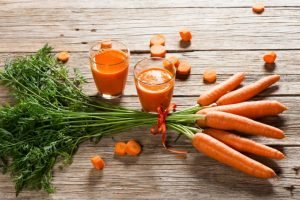
1. Beta carotene: Carrots are a rich source of this powerful antioxidant, which, among other vital uses, ..
-

Tinnitus in the ear can occur due to ear infections, various infections, perforation of the eardrum, ..
-
Comments Off on Pregnancy Calendar – Week 5 of Your Pregnancy

5-week pregnancy “Pregnancy calendar” at week 5: Your baby’s brain is developing. You may feel ..
-
Comments Off on Pregnancy Calendar – Week 4 of Your Pregnancy

4 weeks pregnancy “Pregnancy calendar” at 4th week: A miracle begins! Your baby, now consisting ..
-

The Link Between Gut Health And Your Skin’s Appearance
Healthy-looking skin is influenced by much more than moisturiser, cleanser, or sunscreen. The digestive system, immune system, hormones, and skin barrier communicate continuously through processes often described as the gut–skin axis. When the gut environment is supported by varied food, regular bowel movements, and adequate hydration, the skin may benefit from a calmer inflammatory response and better nutrient availability.
This connection does not mean that every breakout, rash, or dry patch begins in the intestines. Acne, eczema, rosacea, allergies, medication, genetics, stress, and environmental exposure can all affect the complexion. Still, research increasingly indicates that the balance of microorganisms in the digestive tract, known as the gut microbiome, can influence immune activity and skin function.
For people in Australia, practical factors matter. Hot weather, intense ultraviolet exposure, long commutes, takeaway meals, shift work, and regional access to fresh produce can all shape both digestive wellbeing and skin appearance. A realistic approach focuses on sustainable eating and medical care rather than a restrictive “detox” or a miracle supplement.
How The Gut–Skin Axis Works
The gut contains trillions of bacteria and other microorganisms that help break down dietary fibres, produce certain compounds, and interact with immune cells. A diverse microbiome can support the intestinal barrier, which helps regulate what passes from the digestive tract into the bloodstream. When this system is disturbed, immune signalling may become more reactive in some people.
Short-chain fatty acids, including butyrate, are produced when beneficial gut bacteria ferment certain fibres. These compounds help nourish cells lining the bowel and may influence inflammation throughout the body. The relationship is complex, and scientists are still studying exactly how these signals affect oil production, redness, wound repair, and the skin’s protective barrier.
The gut also contributes to the absorption of nutrients needed by skin cells. Protein, essential fatty acids, zinc, iron, vitamin C, vitamin A, and several B vitamins support collagen formation, cell renewal, oxygen delivery, and barrier maintenance. Poor absorption or a severely limited diet can therefore show up as dullness, slow healing, or changes in hair and nails as well as skin.
Digestive Health And Common Skin Concerns
Acne is not simply a sign of “dirty skin”, and food is rarely the sole cause. Some studies have associated high-glycaemic eating patterns with increased acne activity because rapid blood-glucose rises can affect insulin-related hormones and oil glands. For some individuals, large amounts of skim milk may also correlate with breakouts, although this does not mean everyone needs to remove dairy.
Eczema and psoriasis involve immune and barrier dysfunction. People with these conditions may have different gut microbiome patterns, but a microbiome difference does not prove that gut imbalance caused the skin condition. Established treatments, prescribed creams, trigger management, and advice from a GP or dermatologist remain important.
Rosacea can flare with heat, alcohol, spicy food, stress, and sunlight. Digestive symptoms such as bloating or reflux may occur at the same time, yet a shared trigger is more likely than a simple cause-and-effect rule. Keeping a brief record of foods, symptoms, sleep, menstrual changes, and environmental exposures can help identify patterns without creating unnecessary fear around eating.
Persistent hives, facial swelling, widespread rash, bleeding, severe abdominal pain, or unexplained weight loss requires medical assessment. Skin changes accompanied by fatigue, hair loss, pale skin, or altered bowel habits can sometimes reflect iron deficiency, thyroid disease, coeliac disease, or another condition that should be investigated rather than treated with a probiotic alone.
Foods That Support A Diverse Microbiome
Fibre is one of the most useful foundations for digestive and skin health. Vegetables, fruit, legumes, wholegrains, nuts, and seeds provide different types of fermentable carbohydrate. Australian adults can build meals around foods such as oats, lentils, chickpeas, barley, brown rice, leafy greens, pumpkin, apples, pears, and berries.
A useful target is variety across the week rather than perfection at every meal. Different plants supply different fibres and polyphenols, which can encourage a broader range of gut microorganisms. Frozen vegetables and tinned beans are practical options when fresh produce is expensive or difficult to access, including for households outside major cities.
Fermented foods may add live cultures, depending on how they are made and stored. Plain yoghurt with live cultures, kefir, kimchi, sauerkraut, miso, and tempeh can be included if tolerated. Check labels because some commercial products are pasteurised after fermentation or contain substantial added sugar and salt. Fermented foods are not a substitute for fibre; they work best within a varied diet.
Adequate protein also matters for tissue repair. Eggs, fish, tofu, legumes, poultry, lean meat, and dairy foods can contribute, while oily fish such as salmon and sardines provide omega-3 fats. People following vegan or highly restricted diets may need help from an accredited practising dietitian to ensure sufficient vitamin B12, iron, zinc, iodine, and protein.
Everyday Habits That Influence Skin
Hydration supports normal digestion and helps prevent constipation, but drinking excessive amounts of water will not “flush toxins” through the skin. In Australia’s warmer regions, fluid needs rise with heat, exercise, and outdoor work. Water is generally the best everyday drink; frequent sugary beverages can add a high-glycaemic load without providing much nutritional value.
Sleep and stress are closely connected with both bowel function and skin inflammation. Poor sleep may increase cravings for processed foods, alter immune regulation, and make existing acne or eczema feel harder to manage. Regular movement, daylight exposure, relaxation practices, and a consistent bedtime can support health without requiring an elaborate wellness routine.
Smoking can impair wound healing and accelerate visible skin ageing. Alcohol may aggravate flushing or rosacea in susceptible people and can disrupt sleep. Long hours in air-conditioned offices in Sydney, Melbourne, or Brisbane may also leave some people feeling dry, while outdoor workers face sweat, salt, wind, and ultraviolet radiation. A gentle cleanser, moisturiser suited to the skin type, and broad-spectrum SPF 50+ sunscreen remain essential.
Clothing and laundering choices can affect comfort when skin is sensitive. Breathable fabrics, prompt changes after heavy sweating, and fragrance-free laundry products may reduce irritation. Even personal style resources such as a capsule wardrobe guide can be relevant when choosing a small rotation of comfortable, washable clothes for hot weather, exercise, and eczema-prone skin.
Probiotics, Supplements, And Sensible Choices
Probiotics are live microorganisms found in some foods and supplements. Their effects are strain-specific, meaning one product cannot be assumed to work for every digestive or skin complaint. Some research has explored probiotics for acne, eczema, and inflammatory conditions, but results remain mixed and product quality varies.
Prebiotics are fibres that feed selected gut microorganisms. They occur naturally in onions, garlic, leeks, asparagus, bananas, legumes, oats, and wholegrains. Increasing these foods suddenly can cause gas or bloating, so a gradual change with adequate fluid is usually more comfortable. People with irritable bowel syndrome may need an individualised approach, as some high-fibre foods are also high in fermentable carbohydrates.
Australians should read complementary medicine labels carefully. Products sold as therapeutic goods may be regulated by the Therapeutic Goods Administration, but “listed” products are not assessed in the same way as prescription medicines for evidence of effectiveness before supply. A product carrying an Australian Register of Therapeutic Goods number is not automatically suitable for a particular person or proven to improve skin.
High-dose supplements can create problems. Excess vitamin A may damage the liver and is particularly dangerous during pregnancy; large amounts of zinc can interfere with copper; and biotin can disrupt some blood-test results. Anyone who is pregnant, breastfeeding, taking medication, immunocompromised, or preparing for surgery should discuss supplements with a doctor or pharmacist.
Building A Skin-Friendly Routine
A practical eating pattern can begin with one simple change: add a plant food to a meal already eaten regularly. This might mean berries with breakfast, a side salad at lunch, beans in a pasta sauce, or frozen vegetables with dinner. Gradual changes are easier to maintain than eliminating entire food groups after reading a dramatic claim online.
The Australian Dietary Guidelines provide a useful framework: enjoy a wide variety of nutritious foods, limit foods high in added sugar and saturated fat, and choose water as the main drink. Farmers’ markets in Adelaide, Perth, Canberra, and other cities can offer seasonal produce, while supermarkets and local grocers remain valuable for affordable staples. Cost, culture, allergies, cooking facilities, and medical needs should shape the plan.
A simple weekly checklist can keep the focus on habits rather than complexion perfection:
- Eat several different types of vegetables, fruit, legumes, wholegrains, nuts, or seeds.
- Include a reliable source of protein at meals and snacks when needed.
- Increase fibre gradually and drink enough fluid for comfortable bowel movements.
- Protect skin from Australian ultraviolet exposure with shade, clothing, sunglasses, and SPF 50+ sunscreen.
- Notice links between food, stress, sleep, bowel symptoms, and flare-ups without assuming a single cause.
- Seek professional advice before using restrictive diets, herbal remedies, or high-dose supplements.
Skin improvements usually take time because the epidermis renews gradually and conditions such as acne often respond over weeks rather than days. A balanced diet may support the underlying environment, but it cannot replace prescribed treatment or consistent topical care. When digestive symptoms and skin changes occur together, a GP can assess the full picture and arrange appropriate tests, while a dermatologist or dietitian can provide targeted support.
-

Tea Tree Essential Oil Tea tree oil is often referred to as “medicine cabinet in a bottle,” as it’s ..
-

13 surprising home remedies for acid reflux Before you reach for the heavy-duty, prescription-strength ..
-
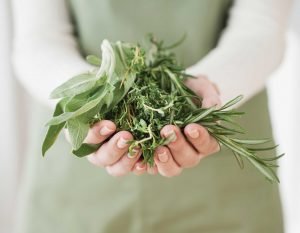
Great Burdock The root is used to treat ‘toxic overload’ that result in throat infections and skin ..