
-

1. Apples Are Nutritious A medium apple is equal to 1.5 cups of fruit. Two cups of fruit daily are recommended ..
-
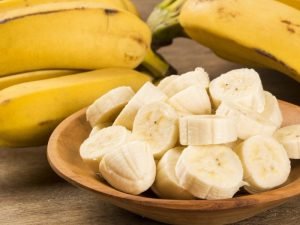
1.Bananas help overcome depression due to high levels of tryptophan, which is converted into serotonin ..
-
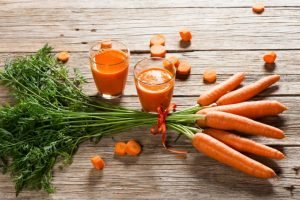
1. Beta carotene: Carrots are a rich source of this powerful antioxidant, which, among other vital uses, ..
-

Tinnitus in the ear can occur due to ear infections, various infections, perforation of the eardrum, ..
-
Comments Off on Pregnancy Calendar – Week 5 of Your Pregnancy

5-week pregnancy “Pregnancy calendar” at week 5: Your baby’s brain is developing. You may feel ..
-
Comments Off on Pregnancy Calendar – Week 4 of Your Pregnancy

4 weeks pregnancy “Pregnancy calendar” at 4th week: A miracle begins! Your baby, now consisting ..
-

The Medicinal Uses of Garlic: From Blood Pressure to Infections
Garlic has been valued as both a food and a traditional remedy for centuries. Its sharp flavor comes from sulfur-containing compounds that may influence blood vessels, immune activity, inflammation, and the growth of certain microorganisms. Modern research supports some of these effects, although garlic should complement medical care rather than replace prescribed treatment.
Fresh garlic, aged garlic extract, garlic oil, and supplements do not act in exactly the same way. Preparation affects which compounds are available, how strongly they work, and how likely they are to cause side effects. Understanding these differences helps people use garlic sensibly for general wellness.
The strongest evidence relates to modest cardiovascular benefits, particularly in people with elevated blood pressure. Research into infections, blood sugar, cholesterol, and immune function is promising in some areas but remains mixed. Results can also vary according to the dose, product quality, and health of the person taking it.
Garlic’s Active Compounds
The best-known compound in fresh garlic is allicin. It forms when a garlic clove is crushed, chopped, or chewed and the enzyme alliinase transforms alliin into allicin. Allicin is unstable, so its concentration changes quickly with storage, cooking, and processing. It is associated with much of garlic’s characteristic odor and some of its antimicrobial activity.
Garlic also contains other sulfur compounds, including diallyl sulfide and S-allyl cysteine. Aged garlic extract contains a different profile of stable compounds because the cloves mature in controlled conditions over time. This preparation has been studied for cardiovascular support and may be easier to tolerate than raw garlic for some people.
Laboratory findings show that garlic compounds can affect bacterial, fungal, and viral processes. However, an effect in a test tube does not prove that eating garlic will cure an infection in the human body. Digestion, absorption, dosage, and the location of an infection all influence whether a compound can have a meaningful clinical effect.
Effects on Blood Pressure and Heart Health
Several clinical studies and reviews suggest that garlic preparations may produce a small reduction in blood pressure, especially in adults with hypertension. The effect is generally more noticeable with standardized supplements or aged garlic extract than with occasional use of garlic in meals. Garlic may help blood vessels relax and may support the production of signaling molecules involved in vascular function.
The reduction is not comparable to the effect of prescribed antihypertensive medicine, and it is not reliable enough to replace monitoring or treatment. People who take garlic supplements alongside blood pressure medication should check their readings regularly because the combination could contribute to excessive lowering in some cases.
Garlic may also support cardiovascular health through modest effects on cholesterol and oxidative stress. Some studies report lower total or LDL cholesterol, while others find little change. Evidence for preventing heart attacks or strokes is insufficient to treat garlic as a stand-alone preventive therapy. A balanced diet, physical activity, tobacco avoidance, sleep, and appropriate medical care remain more influential.
Garlic and Infection Defense
Garlic has natural antimicrobial properties. In laboratory settings, allicin and related compounds can inhibit some bacteria, fungi, and parasites. Garlic extracts have also shown activity against certain organisms associated with foodborne illness and skin infections. These findings explain why garlic has appeared in traditional healing practices across many cultures.
Human evidence is more limited. Some research suggests garlic supplements may slightly reduce the frequency or duration of common colds, although study quality and products differ. Garlic may support normal immune responses, but it should not be described as a cure for influenza, COVID-19, pneumonia, urinary tract infections, or other significant illnesses.
Raw garlic placed directly on the skin can cause irritation, blistering, or chemical burns. Applying it inside the nose, ear, vagina, or an open wound is unsafe. A painful, spreading, or persistent infection needs appropriate diagnosis and treatment, which may include prescription antimicrobial medicine.
Use or health goal What research suggests Sensible role Important caution Elevated blood pressure May produce a modest reduction in some adults Supportive dietary measure or clinician-approved supplement Monitor readings and medication effects Cholesterol support May slightly improve some lipid measures Part of a heart-healthy eating pattern Results are inconsistent Common colds May reduce episodes or symptoms in some studies Optional supportive wellness practice Does not treat serious respiratory disease Bacterial or fungal concerns Strong laboratory activity, limited clinical proof Food-based immune and dietary support Do not use in place of antibiotics or antifungals Blood sugar control Possible small benefit in some studies Complement to diet and diabetes care Can complicate glucose management Skin application Raw garlic may inhibit microbes in the laboratory Generally avoid direct application Can cause burns and allergic reactions Digestive, Metabolic, and Anti-Inflammatory Effects
Garlic contains prebiotic compounds that may help nourish certain beneficial gut bacteria. It also adds flavor without sodium, which can be useful for people trying to follow a heart-supportive eating pattern. Some individuals experience improved meal satisfaction when garlic replaces excess salt, highly processed sauces, or saturated-fat-rich flavorings.
Research has explored garlic for blood sugar regulation, inflammation, and antioxidant protection. Certain studies report small improvements in fasting glucose or markers of inflammation, particularly with concentrated preparations. These findings are not consistent enough to establish garlic as a treatment for diabetes or an inflammatory disease.
Raw garlic can cause heartburn, abdominal pain, gas, nausea, or diarrhea. People with gastroesophageal reflux disease, irritable bowel symptoms, or a sensitive stomach may tolerate cooked garlic better than raw cloves. Starting with a small amount in food is usually more practical than taking a high-dose supplement.
Choosing a Form and Using It Safely
Fresh garlic is an inexpensive way to include its nutrients and plant compounds in a varied diet. Crushing or chopping a clove and allowing it to rest briefly before cooking may preserve more allicin-forming potential, although heat reduces some of the active compounds. Gentle cooking can still provide flavor and nutritional value while improving tolerability.
Supplements require greater care. Products may be labeled as garlic powder, garlic oil, aged garlic extract, or enteric-coated garlic. Their active ingredients and doses can differ widely, and a strong odor does not reliably indicate effectiveness. Choose products from manufacturers that provide independent quality testing when possible, and follow the label rather than taking several garlic products together.
Garlic can increase bleeding risk, particularly in concentrated supplement form. This matters for people taking warfarin, aspirin, clopidogrel, certain anti-inflammatory drugs, or other medicines that affect clotting. It may also interact with some treatments for blood pressure or blood sugar. Anyone preparing for surgery or dental procedures should tell the healthcare team about regular garlic supplement use.
Who Should Take Extra Care
People with a known garlic allergy should avoid it in food and supplement form. Allergic reactions can include itching, hives, swelling, wheezing, or digestive symptoms. A severe reaction involving breathing difficulty or swelling of the lips and throat requires emergency care.
Pregnant or breastfeeding individuals should discuss medicinal doses with a qualified healthcare professional. Normal culinary amounts are generally considered different from concentrated extracts, but supplement safety depends on the product and personal health circumstances. Children should not be given high-dose garlic products without professional guidance.
Anyone with a bleeding disorder, upcoming surgery, low blood pressure, diabetes, or a complex medication regimen should seek personalized advice before using garlic medicinally. Supplements should never delay evaluation of warning signs such as chest pain, severe shortness of breath, high fever, confusion, dehydration, or rapidly worsening symptoms.
Practical Ways to Add Garlic to a Healthy Routine
Garlic works best as one part of an overall eating pattern rather than as a single “cure-all” ingredient. These approaches provide flavor and potential benefits without relying on excessive doses:
- Add a small amount of chopped or crushed garlic to vegetables, beans, soups, whole grains, or lean proteins.
- Use garlic, lemon, herbs, and olive oil in place of heavily salted sauces.
- Choose cooked garlic if raw cloves trigger reflux, burning, or stomach discomfort.
- Discuss concentrated extracts with a healthcare professional before using them for blood pressure, cholesterol, or immune support.
- Stop a supplement and seek medical advice if unusual bruising, prolonged bleeding, rash, or severe digestive symptoms develop.
A food-first approach is usually the safest starting point. A varied diet rich in vegetables, fruits, legumes, whole grains, nuts, and appropriate protein sources provides a broader range of protective nutrients than any single supplement. Garlic can add useful plant compounds while making healthy meals more appealing.
The medicinal potential of garlic is real but limited by the quality of available evidence and the differences among products. It may support healthy blood pressure, vascular function, immune defenses, and a balanced diet, yet it cannot substitute for antibiotics, blood pressure treatment, diabetes care, or professional diagnosis. Use culinary garlic regularly if it suits you, treat supplements as medicines, and speak with a healthcare professional before using concentrated products.
-
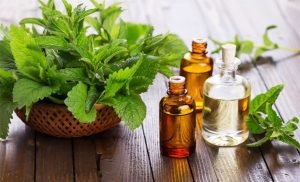
Tea Tree Essential Oil Tea tree oil is often referred to as “medicine cabinet in a bottle,” as it’s ..
-

13 surprising home remedies for acid reflux Before you reach for the heavy-duty, prescription-strength ..
-
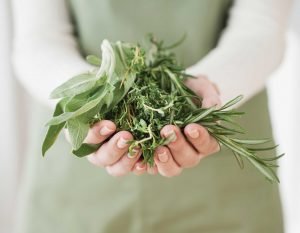
Great Burdock The root is used to treat ‘toxic overload’ that result in throat infections and skin ..