
-

1. Apples Are Nutritious A medium apple is equal to 1.5 cups of fruit. Two cups of fruit daily are recommended ..
-
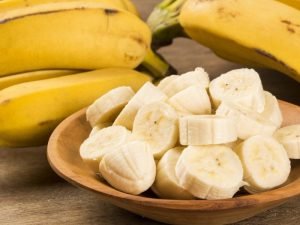
1.Bananas help overcome depression due to high levels of tryptophan, which is converted into serotonin ..
-
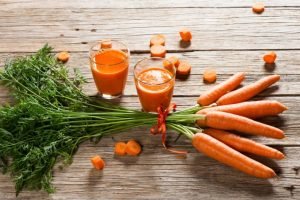
1. Beta carotene: Carrots are a rich source of this powerful antioxidant, which, among other vital uses, ..
-

Tinnitus in the ear can occur due to ear infections, various infections, perforation of the eardrum, ..
-
Comments Off on Pregnancy Calendar – Week 5 of Your Pregnancy

5-week pregnancy “Pregnancy calendar” at week 5: Your baby’s brain is developing. You may feel ..
-
Comments Off on Pregnancy Calendar – Week 4 of Your Pregnancy

4 weeks pregnancy “Pregnancy calendar” at 4th week: A miracle begins! Your baby, now consisting ..
-

The Nutritional Benefits of Adding Beets to Your Diet
Beetroot is a colourful root vegetable with a naturally sweet, earthy flavour and an impressive range of nutrients. It can be roasted, grated into salads, blended into smoothies, simmered in soups or bought ready to use in cans and vacuum-sealed packs. Its deep red-purple colour comes from plant compounds called betalains, which contribute to its antioxidant properties.
Adding beetroot to meals can increase fibre, folate, potassium and other useful nutrients without providing many kilojoules. It may also support healthy blood pressure and exercise performance in some people. While it is not a cure for illness, beetroot can be a practical part of a balanced eating pattern based on the Australian Dietary Guidelines.
The key nutrients in beetroot
A 100-gram serving of cooked beetroot contains relatively few calories while providing dietary fibre, folate, potassium and small amounts of vitamin C, magnesium and iron. The exact nutritional profile varies according to whether the beetroot is raw, cooked, pickled or canned. Products preserved in brine may contain considerably more sodium than fresh beetroot.
Folate is especially important for cell division and the formation of red blood cells. It is also a key nutrient during pregnancy, although beetroot cannot replace a prescribed pregnancy supplement. Potassium helps support normal muscle and nerve function and contributes to the maintenance of healthy blood pressure.
Beetroot also contains natural carbohydrates, which account for its sweet taste. This makes it a useful source of energy in a meal, though people managing diabetes should consider serving size and the total carbohydrate content of the dish.
Fibre for digestion and fullness
The fibre in beetroot supports regular bowel movements by adding bulk to stool and helping food move through the digestive tract. Fibre also feeds beneficial gut bacteria, which can produce compounds associated with digestive and metabolic health. A single serving will not transform gut health, but beetroot can contribute to a varied, plant-rich diet.
Eating beetroot with other high-fibre foods can make a meal more satisfying. Try adding grated raw beetroot to a slaw with cabbage and carrot, or serving roasted beetroot with chickpeas, leafy greens and a yoghurt dressing. The combination of fibre, protein and healthy fats may help fullness last longer.
Many Australian adults do not eat enough vegetables or fibre each day. Keeping cooked beetroot in the fridge can make it easier to add a vegetable component to lunch or dinner, particularly during a busy workday in Sydney, Melbourne or Brisbane. Fresh, canned and frozen options can all have a place in a healthy diet.
Natural nitrates and blood pressure
Beetroot is well known for its naturally occurring nitrates. The body can convert some dietary nitrate into nitric oxide, a substance involved in blood vessel relaxation and circulation. Research suggests that beetroot juice or beetroot-rich meals may produce a modest reduction in blood pressure for some people, particularly when consumed regularly.
This effect should be viewed as a possible dietary benefit rather than a replacement for medical care. People with high blood pressure should continue taking medicines as directed and attend regular checks with their GP. A diet containing vegetables, legumes, wholegrains and unsalted foods is more important than relying on one ingredient.
The nitrate content of beetroot is separate from the nitrates used as preservatives in some processed meats. Naturally occurring nitrates in vegetables are consumed alongside fibre, vitamin C and plant compounds. Fresh beetroot, however, is still preferable to highly salted beetroot products when blood pressure is a concern.
Support for exercise and active lifestyles
Nitric oxide may help improve blood flow and the efficiency of oxygen use during physical activity. Some studies have found that beetroot juice can provide a small improvement in endurance or exercise economy, particularly during running, cycling and other aerobic activities. Results differ between individuals, and the effect is not guaranteed.
People who enjoy weekend cycling around Canberra, trail running in the Dandenong Ranges or community sport in Perth may choose beetroot as part of a meal before training. A practical option is roasted beetroot with brown rice and eggs several hours before exercise, rather than drinking a large quantity of juice immediately beforehand.
Beetroot juice often contains less fibre and may be concentrated in natural sugar. It can also upset the stomach in some people. Whole beetroot provides a broader nutritional package, while juice may be more convenient for athletes who have tested their tolerance and already have a balanced training diet.
Antioxidants and plant pigments
Betalains give beetroot its vivid red, purple or golden colour. These pigments have antioxidant and anti-inflammatory activity in laboratory and human research, although the health effects of eating beetroot cannot be reduced to one compound. Other vegetables, fruits, herbs and legumes provide different protective plant chemicals, so variety remains important.
Antioxidants help protect cells from oxidative stress, which occurs naturally as the body produces energy and responds to environmental demands. Eating beetroot does not “detox” the body; the liver, kidneys, lungs and digestive system already handle waste removal. The useful role of beetroot is as a nutrient-dense food within an overall healthy pattern.
To preserve flavour and texture, roast beetroot with its skin on and peel it after cooking, or steam it until tender. Australian growers supply beetroot throughout the year, and it is commonly available at major supermarkets such as Coles and Woolworths as well as greengrocers and farmers’ markets. At Adelaide Central Market or a local weekend market, smaller bunches may include edible leafy tops.
Ways to add beetroot to everyday meals
Raw beetroot has a crisp texture and works well when finely grated. Cooked beetroot is softer and sweeter, while pickled beetroot adds acidity to sandwiches and salads. Beetroot leaves can be washed and cooked like silverbeet when they are fresh and undamaged. The stems may also be chopped and added to stir-fries or soups.
For Australian-style meals, serve roasted beetroot beside grilled fish, chicken or lean meat, or add it to a salad with pumpkin, rocket, feta and walnuts. It can also be blended into hummus, folded through a grain bowl or added to a burger made with lentils and oats. Beetroot is a familiar addition to many barbecue plates, although salty sauces and processed meats are best kept as occasional foods.
Canned beetroot is convenient for work lunches and requires little preparation. Choose versions labelled “no added salt” or drain and rinse them to reduce some of the surface sodium. Vacuum-packed cooked beetroot can be useful when the oven is already full during a hot Queensland summer, while fresh beetroot is often a good choice when you want the leafy tops as well.
What to know about safety and side effects
Beetroot can turn urine or bowel movements pink or red. This harmless effect is called beeturia and can be mistaken for bleeding. If red urine continues when beetroot has not been eaten, or if it occurs with pain, fever or other symptoms, seek medical advice rather than assuming it is dietary.
The vegetable contains oxalates, naturally occurring compounds that may contribute to kidney stone formation in susceptible people. Most people can eat beetroot as part of a varied diet, but anyone with a history of calcium oxalate kidney stones should ask a GP or accredited practising dietitian about an appropriate amount. Drinking adequate fluid may also be advised according to individual circumstances.
People taking blood pressure medicines should monitor their readings as recommended, particularly if they begin consuming large amounts of beetroot juice. Beetroot is not a substitute for prescribed treatment. Anyone with diabetes, kidney disease, food allergies or a medically restricted diet may need personalised guidance.
Wash fresh beetroot under running water, keep it refrigerated and use a separate chopping board if its juice could contaminate ready-to-eat foods. Beetroot stains can be reduced by wearing gloves and rinsing utensils promptly. These simple steps matter in warm Australian conditions, where cooked foods should be cooled and refrigerated without delay.
Simple serving ideas for a balanced diet
A sensible serving is usually around half a cup of cooked beetroot or a small whole beetroot, adjusted to appetite and the rest of the meal. There is no need to eat large quantities to gain nutritional value. Pairing it with protein, wholegrains and other vegetables creates a more complete meal than relying on beetroot alone.
When buying fresh beetroot, select firm roots without soft spots or mould. Remove the leaves if you are storing the roots for several days, because the leaves draw moisture from the vegetable. Store the roots in the crisper section and wash them just before preparation. Canned beetroot is suitable when it is intact, within its use-by date and stored according to the label.
These practical combinations can help make beetroot a regular part of meals:
- Add grated raw beetroot, apple and carrot to a slaw with lemon juice and plain yoghurt.
- Roast beetroot, sweet potato and onion, then serve them with lentils and baby spinach.
- Blend cooked beetroot with chickpeas, tahini, garlic and lemon for a colourful dip.
- Stir chopped beetroot through a salad of quinoa, cucumber, parsley and reduced-salt feta.
- Serve beetroot with oats, banana and cinnamon in a smoothie, using a modest portion.
- Use drained, rinsed canned beetroot in a wholegrain wrap with egg, lettuce and avocado.
Regularly eating a range of vegetables is more valuable than focusing on one “superfood”. Beetroot can contribute fibre, folate, potassium, natural nitrates and protective plant pigments while adding colour and flavour to everyday cooking. Fresh, cooked or conveniently packaged, it is an accessible choice for Australian households seeking more variety in their diet.
-
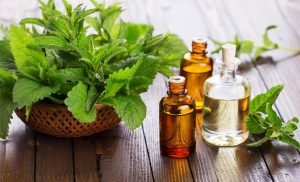
Tea Tree Essential Oil Tea tree oil is often referred to as “medicine cabinet in a bottle,” as it’s ..
-

13 surprising home remedies for acid reflux Before you reach for the heavy-duty, prescription-strength ..
-
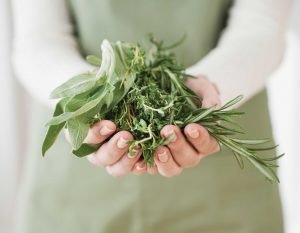
Great Burdock The root is used to treat ‘toxic overload’ that result in throat infections and skin ..